Famous Auroras
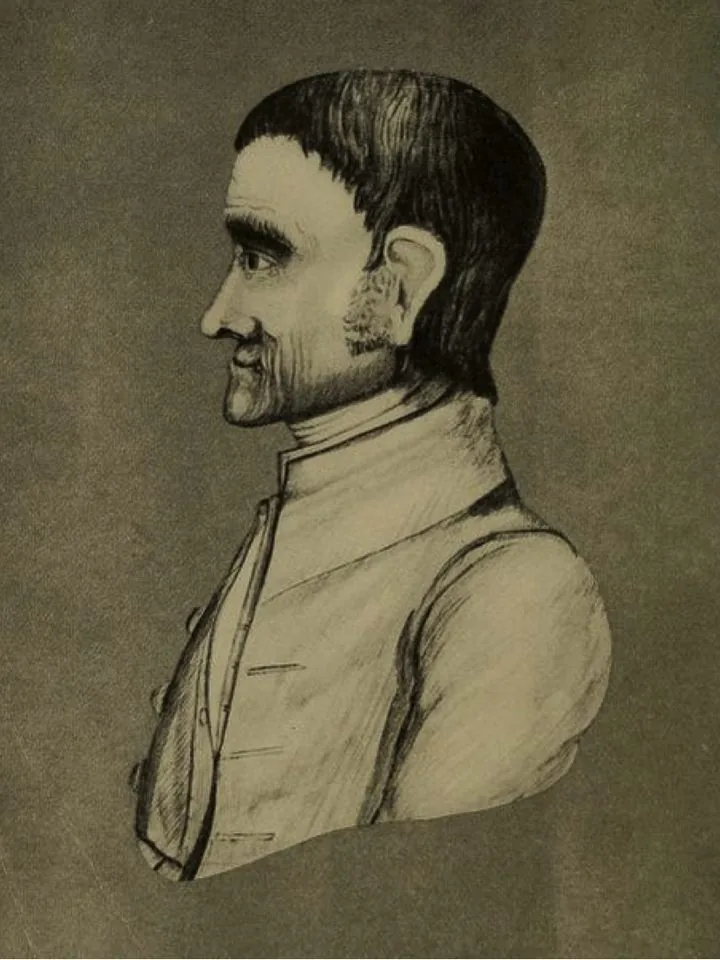
John Woolmanthe AuroraINFP
New Jersey, 1720–1772 · Quaker minister, tailor, abolitionist
The story
Before the pen touched the paper
Around 1742, John Woolman, a 22-year-old Quaker clerk in Mount Holly, West Jersey, was told by his employer to write out a bill of sale for a woman the employer had just sold. The buyer was standing there, waiting.
Woolman kept the shop and drew up papers for customers, so a bill of sale was ordinary work. In his Journal he never names his employer. He never names the woman either.
He felt uneasy at once. Then he counted his reasons for writing it anyway. He was hired by the year. His master had told him to. The buyer was an elderly man, a member of his own Society of Friends. “So, through Weakness, I gave way, and wrote.”
Those three reasons are still in daily use: the pay, the boss, and the respectable older person who surely knows best.
Then, as the paper was being signed, the quiet clerk spoke. He told both men that he believed keeping slaves was inconsistent with the Christian religion. It was a mild sentence, and a startling one from a young employee to an elder of his own faith. Philadelphia's Quakers would not bar slaveholding among their members for another 34 years.
Afterward he judged himself exactly. He would have been clearer, he wrote, if he had asked to be excused from it, “as a Thing against my Conscience; for such it was.” He had spoken, but only after the act.
Auroras know that failure from the inside. They feel the line long before they say it, and by the time the words come out, the paper is signed.
The next time, he got the order right. A young Friend asked him to write a conveyance for an enslaved woman. “I told him I was not easy to write it,” Woolman recorded. This time the refusal came before the pen moved.
Out of these moments he made a rule, narrow enough to keep: he ought not to be the scribe for wills that made some children masters over others for life. Writing wills paid well, and he disliked offending respectable people. He kept the rule anyway.
When an elderly man came to have his will drawn, leaving enslaved people to his heirs, Woolman did not call him wicked. He gave a reason that was only about himself.
“I cannot write thy Will without breaking my own Peace.”
The man went away. A few days later he came back, directed their freedom, and then Woolman wrote his will. At an injured neighbor's bedside he drew up a will without the clause that would have handed on an enslaved woman, and charged nothing for his work. The neighbor agreed to set her free.
He kept the rule for thirty years, riding far in the Quaker ministry and arguing against slavery in print. He died of smallpox at York, in England, on 7 October 1772, aged 51.
It all began in a shop in Mount Holly, with one paper he never stopped regretting. That paper showed him exactly where his line ran, and nobody moved it again.
The Aurora pattern in his life
- Feels the line before saying it
- Uneasy from the start, he still wrote the bill of sale, and only spoke up as it was being signed.
- Refuses gently, in his own name
- He told an old man he could not write his will without losing his own peace, and called no one wicked.
- Makes the rule small enough to keep
- He would not be the scribe for any will that left people enslaved, and kept to it for thirty years.
The Aurora: You feel the whole room and keep most of it. What you make of it comes out later, whole.
Are you an Aurora too?
Free, no email needed. Find out which house is yours.
Take the free test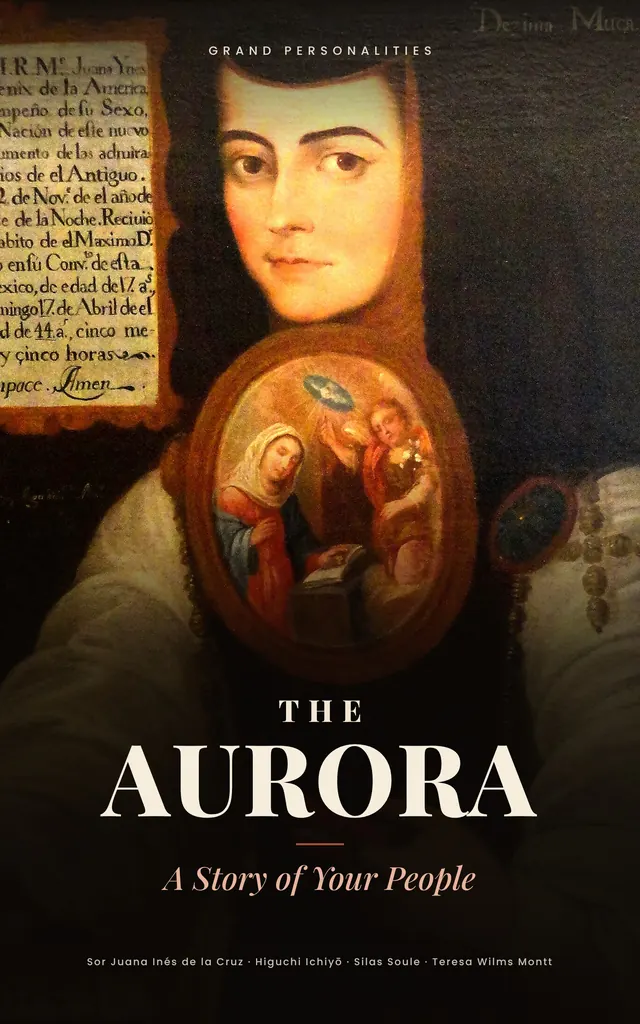
The book
The Aurora: A Story of Your People
His story and thirteen more, from third-century China and Bengal to Bordeaux, a mountain hermitage in Japan and a sanatorium in the Swiss snow, grouped by the situations every Aurora runs into: work, love, friendship, money, the body, purpose and power.
More famous Auroras

Questions people ask
What personality type was John Woolman?
His life fits the Aurora, one of the houses at Grand Personalities: someone who feels the whole room and keeps most of it, and whose answer comes out later, whole. Closest four-letter code: INFP.
What did John Woolman do to oppose slavery?
He refused to write bills of sale or wills that passed enslaved people on, persuaded some slaveholders to free the people they held, traveled among Quaker meetings urging Friends to give up slavery, and published Some Considerations on the Keeping of Negroes in 1754.
What is John Woolman's Journal?
It is his own plain account of his life and conscience, published in 1774, two years after his death. It includes the bill of sale he regretted writing and the wills he later refused to draw up.
Portrait: Probably Robert Smith III · Public domain · Source
