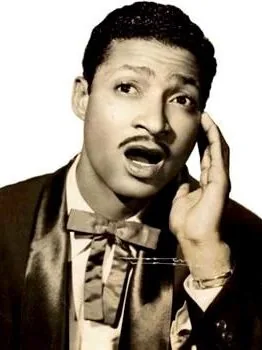
The story
Between the sets
In February 1963, on the road from Havana to the town where he was born, Benny Moré vomited blood. He was 43. The sensible thing was to turn back. The car kept going.
He had family in Santa Isabel de las Lajas, in the middle of Cuba, and a dance to play that weekend in Palmira, a few miles away. Nobody recorded his reasons. Most Bonfires have made a smaller version of that choice: the trip home instead of the appointment, the show instead of the rest, the family party you won't miss even though you should be in bed.
To understand it, you need to know who was in the car.
Bartolomé Maximiliano Moré was born in Lajas on 24 August 1919, the eldest of eighteen children in a poor Afro-Cuban family. In 1936, still in his teens, he left for Havana, where he sold fruit and herbs on the street and sang in bars for whatever the hat collected. On a radio talent show, a bell rang him off the air. He came back and won.
On 21 June 1945 he went to Mexico with the Conjunto Matamoros, and when they went home he stayed. He was warned that Bartolo, his nickname, was Mexican slang for a donkey. He renamed himself on the spot.
“From now on my name is Beny, Beny Moré.”
He came home to Cuba famous. In 1953 he formed his own big band, the Banda Gigante, and led it with a cane in his hand and a wide hat on his head. Cubans called him El Bárbaro del Ritmo, the Barbarian of Rhythm. These were dances, and a bandleader at a dance has one job above all: keep the floor full. It is the purest form of the Bonfire gift, reading a room and changing it.
After the Revolution of 1959, many Cuban stars left. Benny stayed, among, as he put it, mi gente, his people, and went on playing dances in the towns he knew.
By 1963 he was gravely ill. In Lajas he saw his family. On the Saturday he lay in bed from midday until evening, and the bleeding came again. Then he got up and went to Palmira.
He did not sing straight through. He sang, and at the break he went out to the car and lay down. Then he went back on and sang again, by most accounts Dolor y perdón, Maracaibo and Qué bueno baila usted. The people of Palmira danced, with no idea what it was costing him. That was the point.
It would be easy to make this a legend about the show going on. The truth is plainer and wiser. He paced himself. He found the one way of doing the job his body would still allow, and he took it.
Afterward he asked to go home to his children, at his house at La Cumbre. He died in Havana on 19 February 1963, three days after Palmira.
His brothers gave his hat and cane to the artists' union museum. Then, as he had asked, a long caravan carried him along the island's central highway to Lajas. The boy who had left it with nothing came home at the head of a procession.
The Bonfire pattern in his life
- Keeps the floor full
- As leader of the Banda Gigante, his whole job was to keep a hall of dancers moving for hours.
- Stays with his own people
- When many stars left after 1959, he stayed with mi gente and kept playing their town dances.
- Goes where the music is
- Gravely ill, he sang, lay down in the car at the break, then went back on.
The Bonfire: You raise the temperature of a room on purpose. Present tense, full volume, real warmth.
Are you a Bonfire too?
Free, no email needed. Find out which house is yours.
Take the free test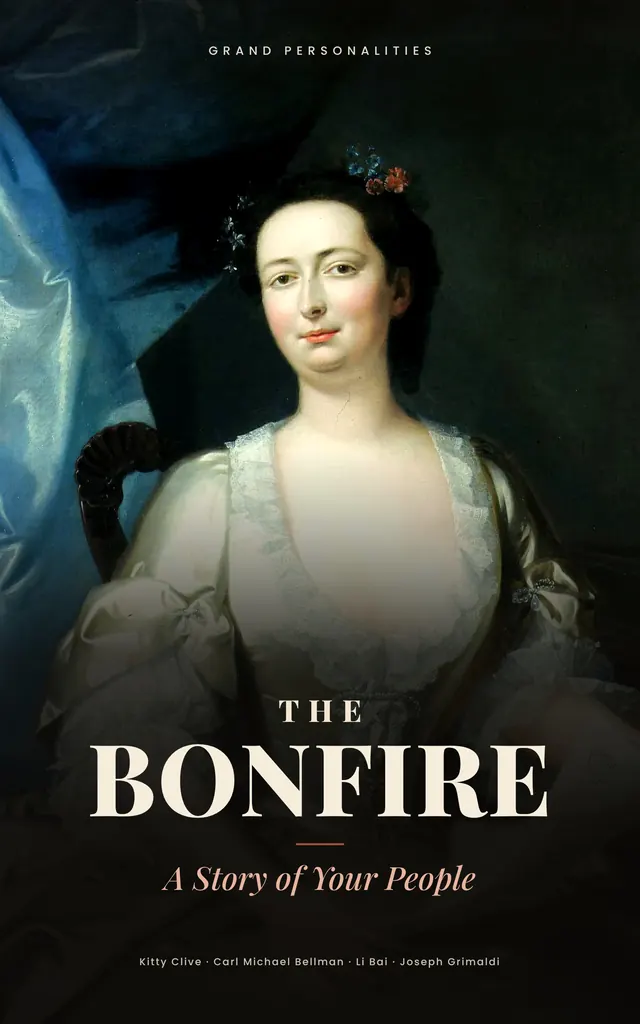
The book
The Bonfire: A Story of Your People
His story and fourteen more, from Tang China and Elizabethan London to Tehran, Havana and the Montreal waterfront, grouped by the situations every Bonfire runs into: work, love, friendship, money, the body, purpose and power.
More famous Bonfires
Questions people ask
What personality type was Benny Moré?
His life fits the Bonfire, one of the houses at Grand Personalities: someone who raises the temperature of a room on purpose, in the present tense, at full volume and with real warmth. Closest four-letter code: ESFP.
Why was Benny Moré called El Bárbaro del Ritmo?
Cubans gave him the name, the Barbarian of Rhythm, for the wild energy he brought to dance music as a singer and as leader of his big band, the Banda Gigante. He was also called El Sonero Mayor.
How did Benny Moré die?
He died of liver disease in Havana on 19 February 1963, at 43. Three days earlier, already gravely ill, he had played his last dance at Palmira, near his home town.
Portrait: Ibrahim Arce (Narcy Studios photographer), most likely, 1950s · Public domain · Source
