Famous Workbenches
Cathay Williamsthe WorkbenchISTP
Missouri, New Mexico and Colorado, c. 1844–1890s · soldier, cook, seamstress
The story
The quiet door
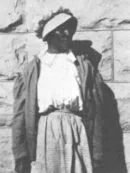
On 15 November 1866, in St. Louis, a recruit giving the name William Cathay signed up for three years in the 38th United States Infantry. The recruit was about 22, and her name was Cathay Williams.
She had been born enslaved in Missouri. In 1861, Union soldiers occupying Jefferson City took her with them as contraband, the army's word for enslaved people it carried off, and set her to cooking and washing. By her own later account, she had not wanted to go. For the rest of the war she followed the army and watched soldiering up close.
When the war ended she wanted a living of her own, without leaning on family or friends. So she enlisted. Two people in the regiment knew her secret, a cousin and a close friend, and in nearly two years neither of them gave her away.
Workbenches tend to keep a small circle and choose it carefully. This is what it looks like when they choose well: two people who know the truth about you and simply never tell.
The 38th was one of the new regiments of Black soldiers who came to be called Buffalo Soldiers, sent west into the army's wars against Indigenous nations. Soon after she enlisted, she caught smallpox. Then came long marches to posts in New Mexico, and stay after stay in the hospital. In between, she carried her musket and stood guard like everyone else.
By the summer of 1868 she had had enough. She did not desert, which could have meant prison. She did not confess, which could have meant scandal. She reported sick, complained of pains, and let the post surgeon at Fort Bayard find out the rest. On 14 October 1868 she was discharged.
It is the quiet door, and Workbenches are very good at finding it. There was no speech and no scene. She used the army's own routine, the sick call, and let it carry her out.
The exit still had a cost.
“The men all wanted to get rid of me after they found out I was a woman. Some of them acted real bad to me.”
Afterward she cooked at Fort Union, then moved to Pueblo, Colorado, and married. Her husband, she said, was “no account.” He stole her watch and chain, a hundred dollars and her horses and wagon. She had him arrested and moved on to Trinidad.
That is where a reporter found her, and in January 1876 the St. Louis Daily Times printed her story. She was making clothes and taking in washing, and she told him she liked the town and expected to get rich yet.
In 1891 she applied for a disability pension on the strength of her service. It was refused. After that she disappears from the record, and nobody knows when or where she died.
Her story starts with a door she did not choose. Every door after that, in and out, she picked herself.
The Workbench pattern in her life
- Wants a living of her own
- After the war she enlisted so she could support herself without leaning on family or friends.
- Leaves by the quiet door
- Tired of the army, she reported sick and let the surgeon find out the rest: no desertion, no confession.
- Cuts clean when crossed
- When her husband robbed her, she had him arrested and moved to another town.
The Workbench: You solve it by handling it. Quiet, practical, allergic to a plan that outruns the facts.
Are you a Workbench too?
Free, no email needed. Find out which house is yours.
Take the free test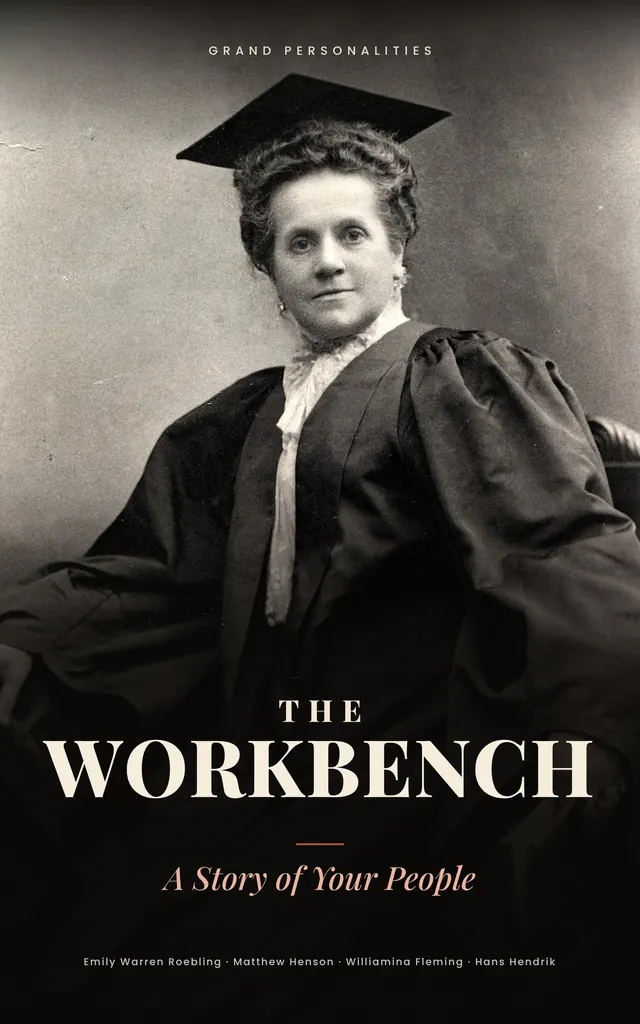
The book
The Workbench: A Story of Your People
Her story and fourteen more, from the court of fifteenth-century Korea to a canyon laboratory in New Mexico in 1946, grouped by the situations every Workbench runs into: friendship, work, money, love, power, identity and the body.
More famous Workbenches
Questions people ask
What personality type was Cathay Williams?
Her life fits the Workbench, one of the houses at Grand Personalities: someone who solves problems by handling them, quiet and practical, and allergic to a plan that outruns the facts. Closest four-letter code: ISTP.
How did Cathay Williams join the army?
She enlisted in St. Louis on 15 November 1866 under the name William Cathay and served in the 38th U.S. Infantry. A cousin and a friend in the regiment knew she was a woman and kept her secret.
How was Cathay Williams found out?
In 1868 she reported sick, and the post surgeon at Fort Bayard, New Mexico, discovered she was a woman. She was discharged on 14 October 1868.
Portrait: Unknown author · Public domain · Source
