The story
Something more to do than to feel
On 22 September 1796, Charles Lamb, 21, reached the family's rooms in Little Queen Street, Holborn, in time to take a knife from his sister's hand, and too late for anything else.
His sister Mary, in a sudden fit of madness, had stabbed their mother to death. Five days later Charles wrote to his friend Samuel Taylor Coleridge. “I was at hand only time enough to snatch the knife out of her grasp,” he told him.
Then he reported on himself, the way you might check a machine you still need. He was eating, drinking and sleeping, he wrote, and his judgment, he believed, was very sound. Then came the line he is remembered for.
“I have something more to do than to feel.”
He had not stopped feeling. Less than a year earlier he had spent six weeks in an asylum at Hoxton himself. What he had was an order of operations, the one Hearths reach for in a crisis: the task first, the feelings later.
So he cleared the decks. He told Coleridge he had destroyed every trace of the poems he had been writing, and he told him not to come: “I will not see you, if you come.” Letters, yes. Visits, not yet.
Then came the question of Mary. Their elder brother John thought she should go into a public asylum, which could have meant for life. Charles refused. He found her a private asylum in Islington instead, and gave his word that he would look after her himself for as long as she lived. A young clerk at East India House had made himself answerable for her.
He would not let her be cast as the villain. Mary, by most accounts, had spent years nursing an invalid mother and an old father. On 3 October he wrote that of all the people he had ever seen, his sister was the most “thoroughly devoid of the least tincture of selfishness.”
On 14 November he put his promise into one line: “I am wedded, Coleridge, to the fortunes of my sister and my poor old father.” He was 21, and he chose the word people keep for the one vow meant to last a lifetime.
He knew how his calm looked from outside. He wrote of “a tranquillity which bystanders may have construed into indifference.” Hearths meet that misreading all their lives. Steadiness looks like not caring to people who have never had to supply it.
In 1799 their father died, and Charles brought Mary home for good. When her illness returned, as it did, they faced it together, and in between they worked. Their Tales from Shakespeare, written side by side, came out in 1807.
He became a celebrated essayist under the name Elia. In 1819, at 44, he proposed to the actress Fanny Kelly. She said no, and he never married.
He died on 27 December 1834, at 59. The word he had chosen at 21 was wedded. He kept that vow for thirty-eight years.
The Hearth pattern in his life
- Does the task before the feeling
- Five days after the knife he wrote, “I have something more to do than to feel.”
- Answers for someone he loves
- He refused a public asylum for Mary and gave his word to look after her for life.
- Calm that gets misread as coldness
- He knew bystanders might take his tranquillity for indifference.
The Hearth: You remember who takes their coffee how, and you carry more of the room than anyone logs.
Are you a Hearth too?
Free, no email needed. Find out which house is yours.
Take the free test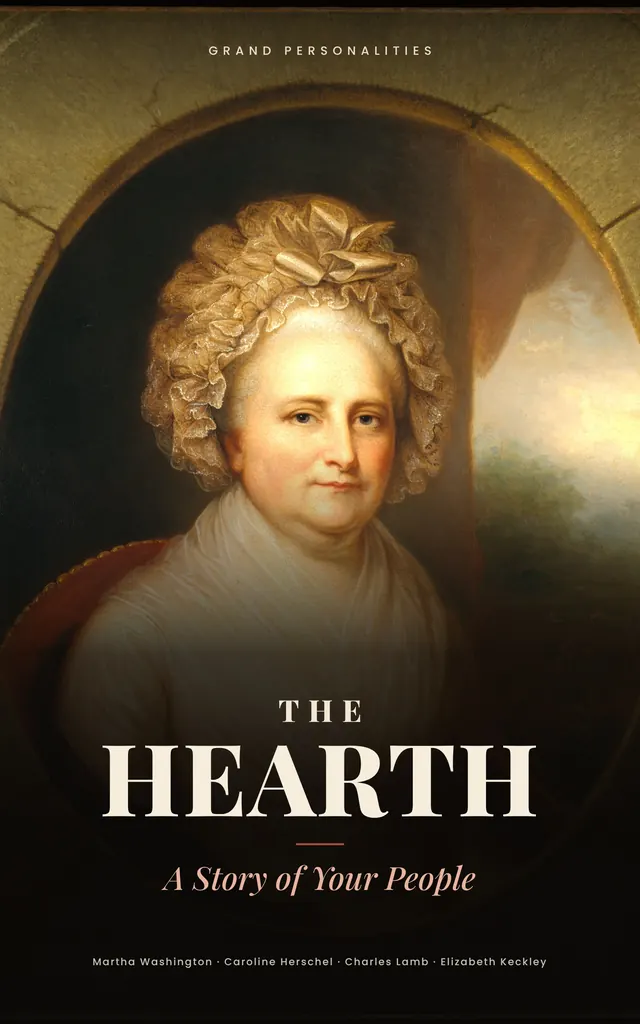
The book
The Hearth: A Story of Your People
His story and fourteen more, from Castile in 1400 to Bath, Buenos Aires and occupied Beiping in 1944, grouped by the situations every Hearth runs into: work, love, friendship, money, the body, purpose and power.
More famous Hearths

Questions people ask
What personality type was Charles Lamb?
His life fits the Hearth, one of the houses at Grand Personalities: someone who remembers who takes their coffee how, and carries more of the room than anyone logs. Closest four-letter code: ISFJ.
What happened to Charles Lamb's sister Mary?
On 22 September 1796, in a sudden fit of madness, Mary Lamb killed their mother. Charles refused to let her be sent to a public asylum and took responsibility for her care for the rest of his life.
Did Charles Lamb ever marry?
No. In 1819, at 44, he proposed to the actress Fanny Kelly, who turned him down. He lived with his sister Mary until his death in 1834.
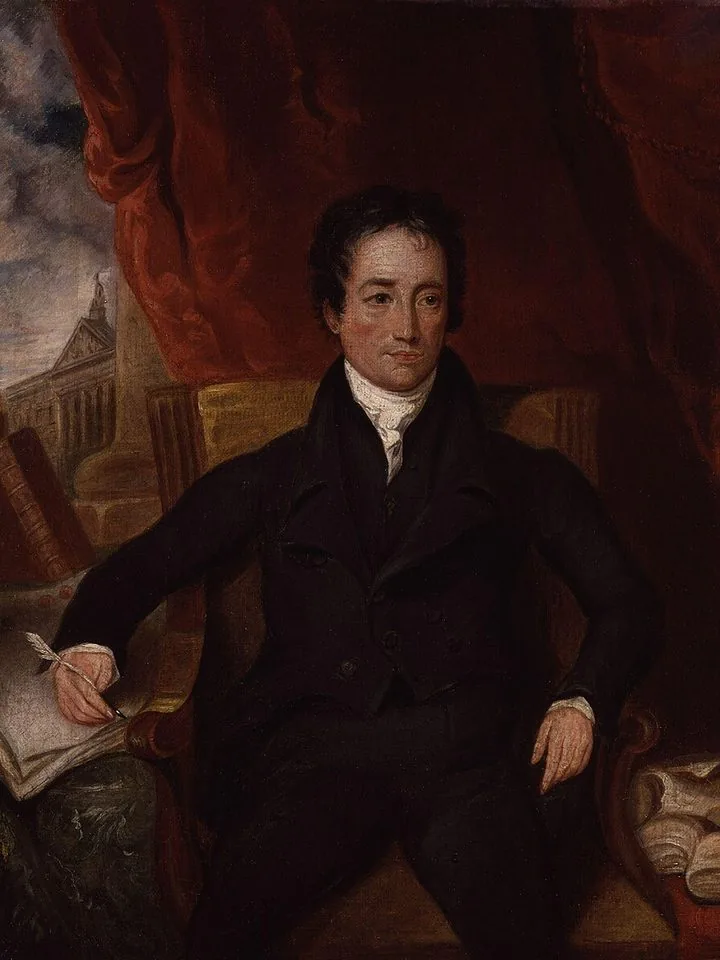
Portrait: After Henry Hoppner Meyer, 1826 · Public domain · Source
