Famous Hearths
Elizabeth Keckleythe HearthISFJ
Virginia and Washington, c. 1818–1907 · dressmaker, memoirist, relief organiser
The story
At the foot of the bed
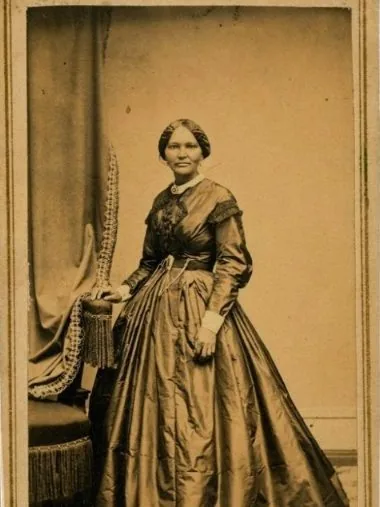
On the evening of 5 February 1862, Elizabeth Keckley, about 44, was dressing the president's wife for a party while the president's son lay ill upstairs.
Willie Lincoln was 11, and feverish. The doctor insisted he was in no immediate danger, so the grand reception at the White House went ahead. That evening, Willie suddenly got worse.
Keckley was Mary Lincoln's dressmaker, and the gown was her work: white satin trimmed with black lace, with a long train. Abraham Lincoln looked it over and said, “Whew! our cat has a long tail to-night.” Then the couple went down to their guests, “leaving me alone with the sick boy,” as she later wrote.
Downstairs, the most powerful couple in the country received the capital to the music of the Marine Band. Upstairs, a sick child was watched by a woman born enslaved, who had bought her own freedom and was there because she had made the dress.
Willie grew worse over the next two weeks, and she took her turns at his bedside. He died on 20 February. She told that part carefully: “I was worn out with watching, and was not in the room when Willie died, but was immediately sent for.”
She never claimed the deathbed for herself. They sent for her for the work that comes after, the work Hearths are trusted with. She helped wash Willie and dress him, and laid him on the bed so his father would find him ready.
Lincoln came in. “My poor boy, he was too good for this earth,” he said. “I never saw a man so bowed down with grief,” she wrote. Then she placed herself exactly: “I stood at the foot of the bed.”
The head of the bed belonged to the family. The foot was for someone who could be reached without being looked at. It was a place of complete trust, with no room in it for her own grief.
She had grief of her own. Six months earlier, on 10 August 1861, her only son, George, had been killed fighting at Wilson's Creek. She gave it half a sentence, “It was a sad blow to me,” and moved straight on to the kind letter Mary Lincoln had sent her.
Born in Virginia around 1818, she had been carrying other people long before the White House.
“With my needle I kept bread in the mouths of seventeen persons for two years and five months.”
In 1855 she paid $1,200 for her own freedom and George's. In 1862, the year Willie died, she founded the Contraband Relief Association for people who had escaped slavery and reached Washington.
Her loyalty had one costly turn. In 1868 she published Behind the Scenes, partly to defend Mary Lincoln: “To defend myself I must defend the lady that I have served.” The book carried Mary's private letters. Her wealthy clients left, and by most accounts the friendship was over.
She died in May 1907, at about 89, in a Washington home for destitute women and children that she had helped to found. Almost everything anyone knows about that night, the long train, the band below, the father bent over his son, comes from the woman standing at the foot of the bed.
The Hearth pattern in her life
- Trusted with the work after
- When Willie died she was sent for, and she helped wash and dress him and laid him on the bed for his father.
- Present but out of the way
- While Lincoln wept over his son, she stood at the foot of the bed, out of the family's way.
- Gives her own grief one line
- Her only son's death six months earlier gets half a sentence: “It was a sad blow to me.”
The Hearth: You remember who takes their coffee how, and you carry more of the room than anyone logs.
Are you a Hearth too?
Free, no email needed. Find out which house is yours.
Take the free test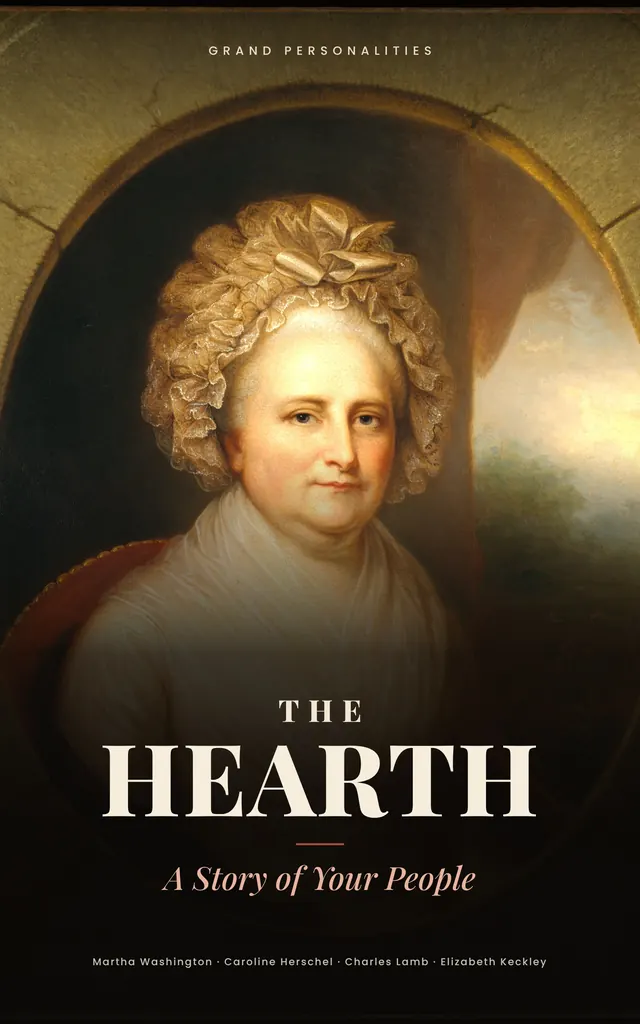
The book
The Hearth: A Story of Your People
Her story and fourteen more, from Castile in 1400 to Bath, Buenos Aires and occupied Beiping in 1944, grouped by the situations every Hearth runs into: work, love, friendship, money, the body, purpose and power.
More famous Hearths

Questions people ask
What personality type was Elizabeth Keckley?
Her life fits the Hearth, one of the houses at Grand Personalities: someone who remembers who takes their coffee how, and carries more of the room than anyone logs. Closest four-letter code: ISFJ.
How did Elizabeth Keckley buy her freedom?
In 1855, with help from her dressmaking patrons, she paid $1,200 to free herself and her son George. Her sewing had already been feeding many more people than herself.
Why did Mary Lincoln fall out with Elizabeth Keckley?
In 1868 Keckley published Behind the Scenes, partly to defend Mary Lincoln, but the book printed Mary's private letters to her. By most accounts Mary broke off the friendship, and many of Keckley's wealthy clients left her.
Portrait: Unidentified photographer, 1861 · Public domain · Source
