Famous Arenas
Jaroslav Hašekthe ArenaENTP
Bohemia, 1883–1923 · satirist, journalist, author of The Good Soldier Švejk
The story
Within the bounds of the law
In the spring of 1911, at 28, Jaroslav Hašek ran for the Austrian Imperial parliament from a tavern in Vinohrady, in Prague. He was too young to take the seat even if he won. That was part of the joke.
His party was called the Party of Moderate Progress within the Bounds of the Law. Say it aloud and the joke is half told. Real parties promised greatness. Hašek's promised progress, but moderate, and only if permitted.
By one friend's account, it began as a favor. A landlord whose pub no party wanted watched the thirsty voters cross the street every evening to a rival's meeting hall. So Hašek's friends set up a party of their own to fill his tables.
The joke worked because nobody cracked a smile. There was an executive committee. Meetings opened with party hymns. Posters urged voters to cast their ballots as one man for the writer Mr Jaroslav Hašek. Crowds came.
And Hašek spoke, for hours, without notes. With mock fury he attacked the fee caretakers charged to open the front door at night, and demanded that caretakers be nationalized. The party even called for slavery to be brought back. Everyone in the room knew it was satire, aimed at the solemn, impossible promises being made across the street.
It is a move Arenas know well. Step inside a serious institution, play it perfectly straight, and let the seriousness become the joke. He had done it before. In 1909, as editor of a magazine called Animal World, he filled its pages partly with animals he had made up. He did not keep the job.
Prague voted on 13 June 1911. Nobody knows exactly how many votes Hašek won. By one memoir, only his closest friends voted for him. The crowds had laughed for hours, then gone to the polls and chosen someone else.
The room that laughs with an Arena is not always the room that stands with them. The same year, his young marriage fell apart. He lived where the laughter was, in taverns and cabarets, with anyone who would stay up.
The war took him to Russia, where, given a cause and a structure, he served the Red Army as a capable officer. He came home to Prague at the end of 1920, went back to the taverns, and in 1921 began the novel that made him famous.
“Great times call for great men.”
The great man turns out to be Švejk, a cheerful dog-seller who obeys every order so completely that the whole army looks ridiculous. It is the tavern campaign again: a solemn phrase, a straight face, and an institution made to laugh at itself.
In August 1921 he moved to the village of Lipnice. His body was failing. His legs swelled. When he could no longer write, he lay on a bed by the window and dictated Švejk aloud, chapter after chapter. He had always been best out loud, and his last book became one more performance.
He died at Lipnice on 3 January 1923, aged 39, with the novel unfinished. A friend later remembered leaving him after one late night, sure he would see him many more times. He didn't.
The Arena pattern in his life
- Plays the joke completely straight
- His joke party had hymns, posters and an executive committee, all copied from the real ones.
- At his best out loud
- He spoke for hours without notes, and dictated his last book from a bed by the window.
- Wins the room, not the vote
- Crowds laughed through every meeting, then went to the polls and voted for someone else.
The Arena: You argue to find out. Ten ideas an hour, and you were never attacking the person.
Are you an Arena too?
Free, no email needed. Find out which house is yours.
Take the free test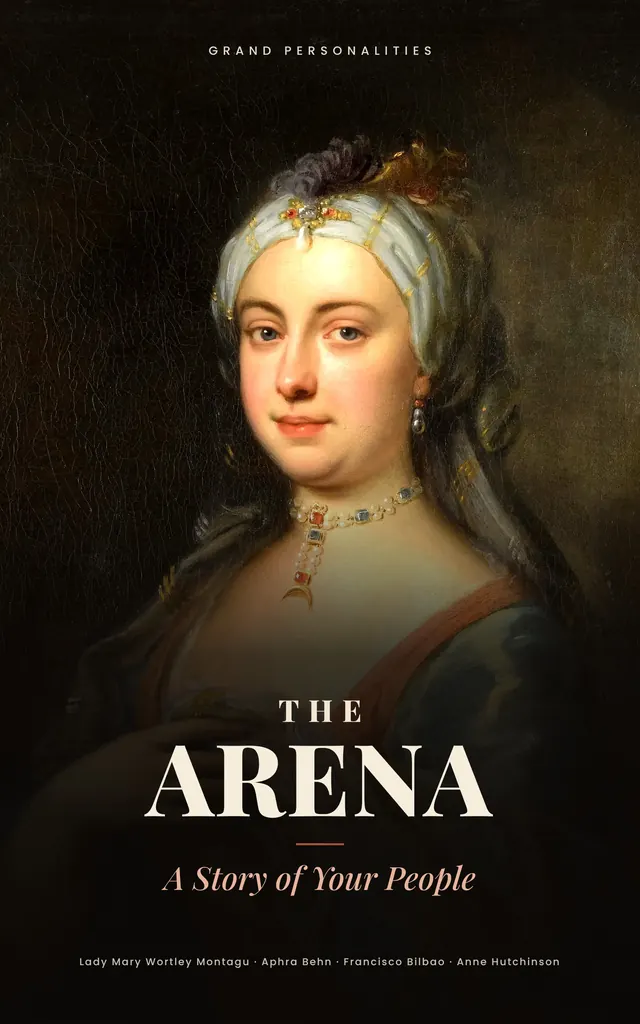
The book
The Arena: A Story of Your People
His story and thirteen more, from an empress's household in Kyoto around the year 1000 to a tavern in Prague in 1911, grouped by the situations every Arena runs into: work, love, friendship, money, the body, purpose and power.
More famous Arenas

Questions people ask
What personality type was Jaroslav Hašek?
His life fits the Arena, one of the houses at Grand Personalities: someone who argues to find out, throws out ten ideas an hour, and was never attacking the person. Closest four-letter code: ENTP.
What was the Party of Moderate Progress within the Bounds of the Law?
A joke party that Hašek and his friends ran in the 1911 Austrian parliamentary election in Prague's Vinohrady district. It copied the real parties' hymns, posters and speeches, and made mock demands such as nationalizing caretakers.
Did Jaroslav Hašek finish The Good Soldier Švejk?
No. He dictated much of it from his sickbed at Lipnice and died on 3 January 1923, aged 39, after completing three volumes and starting a fourth.
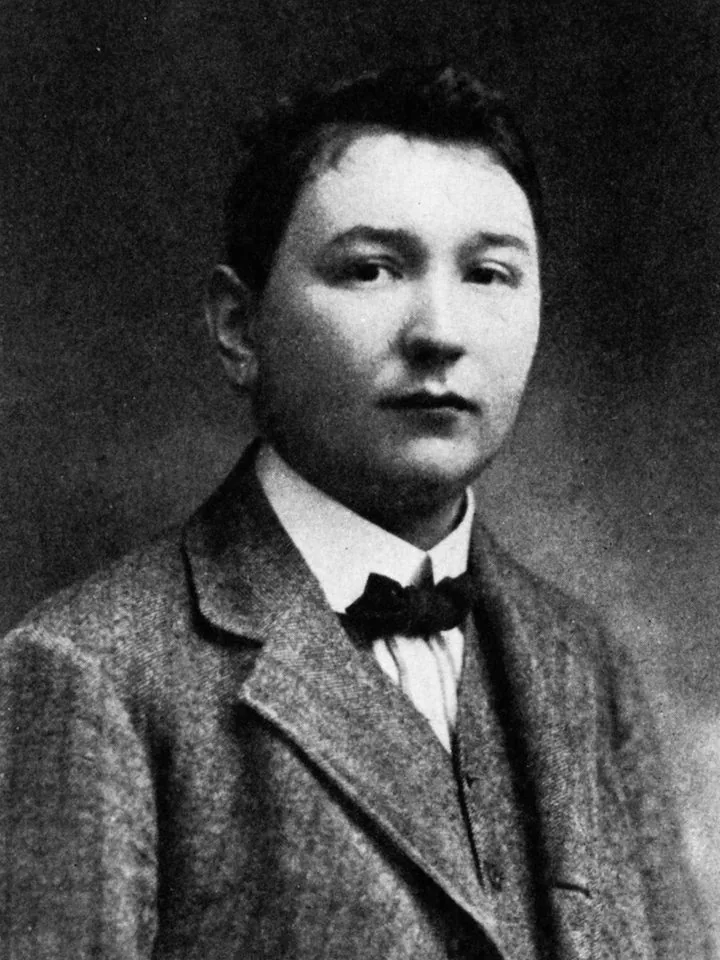
Portrait: Unknown author, 1902 · Public domain · Source
