Famous Lighthouses
Kartinithe LighthouseINFJ
Java, 1879–1904 · letter writer, educator, national heroine
The story
Love me just a little still
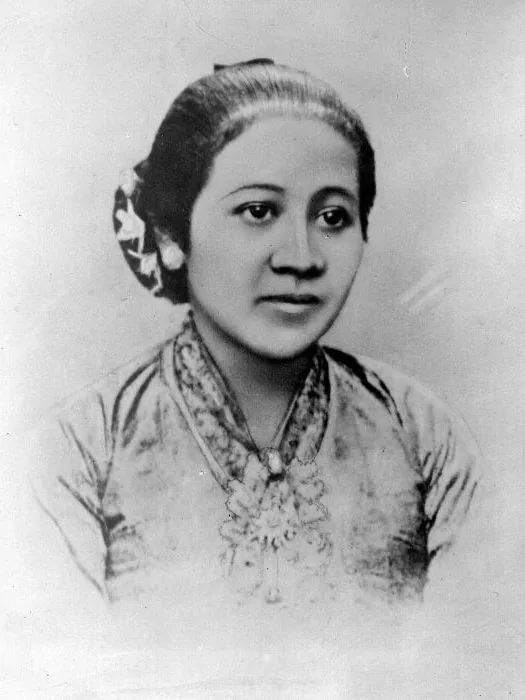
In January 1903, at the Regent's residence in Jepara on the north coast of Java, Kartini wrote the hardest letter of her life. She was 23. She had to tell her closest friend that she would not be coming to Holland after all.
For years she had fought for that chance, and now she was turning it down.
She was born on 21 April 1879, a daughter of the Regent of Jepara, a Javanese noble who governed his district for the Dutch. Her title was Raden Ajeng, which is why she is often called R.A. Kartini. At 12 she was shut inside the family compound, as girls of her rank were, and kept there until she was 16.
Letters became her way out. In 1899, at 20, she began writing to Stella Zeehandelaar, a young feminist in the Netherlands, and told her things she could say to no one at home. Brides of her rank, she wrote, often met their husbands only once they were already bound. “I will never, never be able to love.” She teased the Dutch, too, who might not have noticed her and her sisters at all if they had worn dresses instead of sarong and kabaya.
In January 1902 she watched her sister Kardinah married off. Kartini called the wedding an execution.
So she planned her escape: study in Holland, then a life of teaching. A scholarship was granted. Then her trusted adviser, J. H. Abendanon, argued that Holland would make her too Dutch to be trusted at home. Her father, whom she adored, was often ill. She weighed all of it, and said no.
Then she wrote to Stella. She called her own delay in telling her cowardly and unforgivable. She did not let her hear it from anyone else.
“Stella, love me a little still: out of loyalty for the great love you once had for me, I beg you. Love me just a little still.”
Lighthouses will know that letter. The decision is already made. The long explanation goes to the one friend whose understanding matters most, and it asks for only one thing: please don't stop.
In July her father told her she was to marry. The Regent of Rembang was about 50 and already had three wives and a dozen children. On 8 November 1903, at 24, Kartini became one wife among several, in the kind of marriage she had written against for years. In Rembang she ran a small school for girls, the piece of her dream she could still reach.
Her son was born on 13 September 1904. Four days later she died. She was 25.
Stella never forgave her. Kartini, she wrote to a friend, had given the lie to her whole being. Lighthouses know that verdict. It tends to come from people who loved the plan more than the person.
In 1911 a selection of her letters was published in Dutch as Door Duisternis tot Licht, “Through Darkness to Light.” Her case for educating girls reached far more readers than any school ever could. In 1964 Indonesia named her a national heroine, and her birthday, 21 April, is still marked as Kartini Day.
She never got to Holland. Her letters went in her place, and they traveled much further.
The Lighthouse pattern in her life
- Sees a future others can't
- Shut indoors from 12 to 16, she still planned a life of study and teaching for girls like her.
- Weighs family against her dream
- She turned down Holland with her father often ill and a trusted adviser warning against it.
- Writes what she can't say
- She told her friends in letters what she could tell no one at home.
The Lighthouse: Quiet, certain, and already three moves into a future you can feel but can’t prove yet.
Are you a Lighthouse too?
Free, no email needed. Find out which house is yours.
Take the free test
The book
The Lighthouse: A Story of Your People
Her story and fourteen more, from the court of a Han dynasty emperor to a government office in Ottawa, grouped by the situations every Lighthouse runs into: work, love, friendship, money, the body, purpose and power.
More famous Lighthouses

Questions people ask
What personality type was Kartini?
Her life fits the Lighthouse, one of the houses at Grand Personalities: someone quiet and certain, already three moves into a future she can feel but can't prove yet. Closest four-letter code: INFJ.
Why is Kartini a national heroine of Indonesia?
Her letters, published in 1911 as Door Duisternis tot Licht (Through Darkness to Light), made a powerful case for educating Javanese girls and for women's freedom. Indonesia named her a national heroine in 1964 and marks her birthday, 21 April, as Kartini Day.
Why didn't Kartini study in Holland?
In January 1903 she turned the chance down, after her adviser J. H. Abendanon argued it would make her too Dutch to be trusted at home, and with her father often ill. By November that year she was married to the Regent of Rembang.
Portrait: Photo: fotografer tidak diketahui, between 1890 and 1904 · CC BY-SA 3.0 · Source
