Famous Bridges
Micaela Bastidasthe BridgeENTJ
Peru, 1744–1781 · rebel leader, strategist, quartermaster
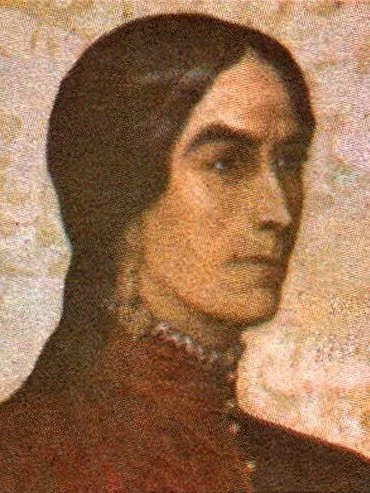
The story
She could see the clock
In early December 1780, at 36, Micaela Bastidas sat in her house at Tungasuca, in the highlands south of Cusco, and sent her husband one urgent letter after another.
Her husband was José Gabriel Condorcanqui, known to history as Túpac Amaru II. On 4 November he had risen against the abuses of Spanish rule in the viceroyalty of Peru, and on 18 November the rebels won a victory at Sangarará. Cusco, the great city of the south, lay weak in front of them. He did not march on it. He turned south to raise more provinces.
Micaela thought every week of delay gave the Spanish time to bring in cannon and soldiers. She had been born in Pampamarca in 1744, and Quechua was her stronger language. By one account she could barely write, so her letters went through scribes. She had married Condorcanqui young, and running a muleteer's household had taught her how to keep people and animals fed on the move.
Now she ran the rebellion's rear. She organized supplies, set up a system of mounted messengers, recruited fighters and hunted for Spanish spies. It was the work Bridges are built for, and she did it in her husband's name. Her authority was borrowed, and she knew it.
Her letters to him were practical and fierce. Don't forget the cannons, she told him. Bring silver, because soldiers who go unpaid will walk away and leave the rest of us to pay with our lives.
Then her patience ran out. She had warned him often enough to go straight to Cusco, she wrote, and he had thrown the warnings away and given the enemy time to prepare.
It can sound harsh, and he had reasons she could not see from Tungasuca. It is also what love sounds like in someone who can see the clock. Bridges in her seat, responsible for everything and in charge of nothing, often end up writing exactly this letter.
The next day she stopped asking. She wrote to say she was raising a column of her own to march on Paruro. In a single day she had gone from begging him to take the road to taking it herself. Through it all, by one account, she still signed herself his most loving Micaela.
Late in December the rebel army finally turned toward Cusco. The siege began on 4 January 1781. By then the city was ready, and within a week the rebels pulled back. What she had warned of had come true.
She was captured on 7 April 1781. The king's visitor-general, José Antonio de Areche, kept her out of any pardon. In his eyes she had a man's resolve, too dangerous to spare.
“resolución varonil”
On 18 May 1781, in the main square of Cusco, she was made to watch the executions of her son Hipólito and of Tomasa Tito Condemayta, a woman chief of the rising. Then her tongue was cut out. The garrotte failed on her slender neck, and her executioners killed her by other means. She was 36.
Peru now honors her as a heroine of its long road to independence. She was right about the road to Cusco. She had no command to take it, and by the time she raised her own column, it was closed.
The Bridge pattern in her life
- Sees the deadline before anyone
- After Sangarará she urged an immediate march on Cusco, before the Spanish could prepare.
- Runs the whole operation
- From Tungasuca she organized supplies, mounted messengers, recruits and the hunt for spies.
- Moves when others wait
- When her warnings went unheeded, she began raising a column of her own.
The Bridge: You see the end state, name the order of operations, and start moving people toward it.
Are you a Bridge too?
Free, no email needed. Find out which house is yours.
Take the free test
The book
The Bridge: A Story of Your People
Her story and thirteen more, from a village in the viceroyalty of Peru in 1780 to a Los Angeles inquest room in 1928, grouped by the situations every Bridge runs into: work, love, friendship, money, the body, purpose and power.
More famous Bridges

Questions people ask
What personality type was Micaela Bastidas?
Her life fits the Bridge, one of the houses at Grand Personalities: someone who sees the end state, names the order of operations and starts moving people toward it. Closest four-letter code: ENTJ.
What did Micaela Bastidas do in the Túpac Amaru rebellion?
She ran the rebellion's rear from Tungasuca, organizing supplies, mounted messengers, recruits and the hunt for spies, and she urged her husband to march on Cusco at once after the victory at Sangarará in November 1780.
How did Micaela Bastidas die?
She was captured on 7 April 1781 and executed in the main square of Cusco on 18 May 1781, after being made to watch the execution of her son Hipólito. She was 36.
Portrait: Post of Peru, 1971 · Public domain · Source
