The story
The captain's hat
At a quarter past four in the morning on 13 May 1862, the steamer Planter came under the guns of Fort Sumter, at the mouth of Charleston harbor, with a man in the captain's straw hat at the wheel.
The captain was ashore. The man in the hat was Robert Smalls, 23, the enslaved wheelman. Around him were fifteen others running for their lives, among them his wife, Hannah, and their children.
He had been born enslaved in Beaufort, South Carolina, on 5 April 1839. At about 12 he was hired out in Charleston, his wages paid to the man who claimed to own him. He learned the waterfront and he learned boats. At 17 he married Hannah Jones. He tried to buy his family's freedom and could not raise the price.
In 1861 he became the Planter's wheelman. The Confederates used her to carry guns and supplies to the harbor forts. For months he watched her captain, Charles Relyea: how he stood, what he wore, how the boat signaled at each wharf and fort.
He did not plan alone. The enslaved crew met in secret and left the details to him. Then they waited for the right night.
It came on 12 May, when the three white officers went ashore for the night, against standing orders. The crew's families had visited that evening and left on time, then hidden aboard another steamer nearby. At about three in the morning the crew lit the boilers, raised the Confederate and South Carolina flags, and went to collect them.
Under Sumter, some of the men begged him to give the fort a wide berth. He kept to the usual course at the usual pace and gave the whistle signal the fort expected. A boat that steered wide would have looked afraid.
On the wall, a sentry called the corporal of the guard and reported the guard boat going out. Nobody looked twice.
This is the Forge gift at its clearest. What looked like nerve was rehearsal. He had studied the captain so closely that he could play him back under the guns, while, as one crewman remembered, “every man but Robert Smalls felt his knees giving way.”
Out of range, the Confederate flags came down and a white bed sheet Hannah had brought went up. The Union ship Onward was about to fire when her crew saw it.
“This man Robert Small is superior to any man who has come into our lines.”
His share of the prize money was $1,500, later judged far too low. Forges are rarely paid in proportion to what they risk. The rest of his reward came as trust: he piloted Union vessels and, from December 1863, captained the Planter herself.
In 1864 he was ordered to give up his seat on a Philadelphia streetcar to a white passenger; his case was cited in the debate that led Pennsylvania to integrate its streetcars in 1867. In 1874 he was elected to Congress, and he served, with gaps, until 1887.
He died in Beaufort, the town where he had been born enslaved, on 23 February 1915, at 75. He had steered out of Charleston dressed as another man, and spent the next half-century as himself.
The Forge pattern in his life
- Moves before anyone gives permission
- With the officers ashore, he took a Confederate steamer out of Charleston before dawn.
- Does the homework nobody sees
- For months he studied the captain's stance, clothes and signals.
- Stays cool under the guns
- With his crew begging him to steer wide of Sumter, he held the usual course.
The Forge: You move first, fix it live, and get bored of any meeting about the meeting.
Are you a Forge too?
Free, no email needed. Find out which house is yours.
Take the free test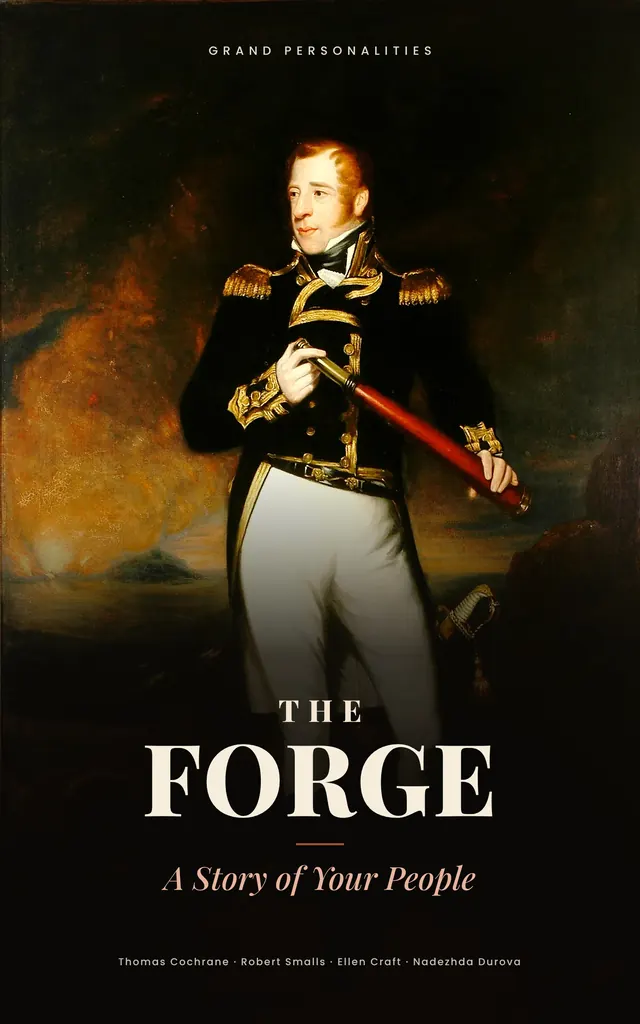
The book
The Forge: A Story of Your People
His story and fourteen more, from a desert kingdom in the first century to a Gestapo office in the south of France in 1944, grouped by the situations every Forge runs into: work, love, friendship, money, the body, purpose and power.
More famous Forges
Questions people ask
What personality type was Robert Smalls?
His life fits the Forge, one of the houses at Grand Personalities: someone who moves first, fixes it live and gets bored of any meeting about the meeting. Closest four-letter code: ESTP.
How did Robert Smalls escape slavery?
Before dawn on 13 May 1862, with the white officers ashore, he took the Confederate steamer Planter out of Charleston in the captain's straw hat, gave the expected signal at Fort Sumter and handed the boat to the Union fleet with sixteen people aboard.
What did Robert Smalls do after the Civil War?
He went into politics in South Carolina and was elected to Congress in 1874, serving with gaps until 1887. He died in 1915 in Beaufort, the town where he had been born enslaved.
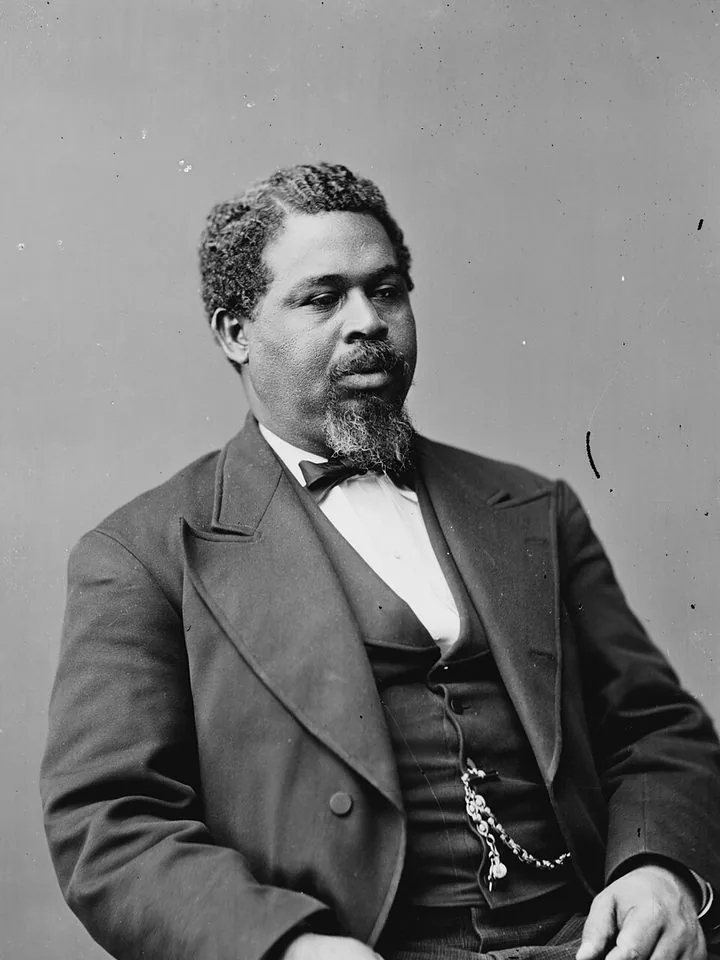
Portrait: Mathew Brady studio, 1870s · Public domain · Source
