Famous Lighthouses
Al-Ghazalithe LighthouseINFJ
Persia and Baghdad, 1058–1111 · scholar, theologian, mystic

The story
The tongue that would not move
In July 1095, in the month of Rajab, the most celebrated teacher in Baghdad stood before his students and found that his tongue would not move. Abu Hamid al-Ghazali was about 37.
He held one of the great chairs of his age, at the Nizamiyya college. For four years some three hundred students had come to hear him. He was a jurist and theologian at the very top of his profession. Early that year he had finished The Incoherence of the Philosophers, a fierce attack on the leading thinkers of his day. In public, almost nobody alive could out-argue him.
In private, he had been at war with himself. When he looked honestly at why he taught, he found it was for fame and standing more than for God. One day he resolved to give it all up. The next day the resolution was gone.
Lighthouses know that rhythm. The calm face goes to work each morning. The fuller story stays inside, unspoken. That summer, his body settled what his mind could not.
“God caused my tongue to dry up so that I was prevented from lecturing.”
For a man whose whole life was his voice, it was the one loss he could not work around. His fame, his salary and his place in the world all rested on standing up and speaking. Soon he could hardly eat or drink either. He stayed in that state for months, until he gave way completely. Then, by his own account, turning away from position and wealth became easy.
He left quietly, as Lighthouses usually do. He announced that he was going on pilgrimage to Mecca, a journey no one would question. Privately, he meant never to come back. He admitted later that he had made “all kinds of clever excuses.”
First he provided for his family. Then he gave away the rest of his wealth. In November 1095 he walked out of Baghdad.
For about ten years he was nobody in particular. He lived as a Sufi, in Damascus and elsewhere, in solitude and discipline, trying to live what he had only read about before. In those years he wrote his great work, The Revival of the Religious Sciences.
In 1106 a vizier pressed him to teach again, and he took a post at Nishapur. Around the same time he wrote Deliverance from Error, a short account of everything that had happened to him, in his own words.
He did not dress the crisis up as a plan. He set down the wavering, the excuses and the silence just as they had been.
He died in December 1111 at Tus, the town where he was born, at about 53. His voice had failed him in front of three hundred students. Years later, his pen told everyone why.
The Lighthouse pattern in his life
- A calm face, a hidden storm
- He kept lecturing to three hundred students while privately deciding, and undeciding, to leave.
- Leaves all at once, quietly
- He announced a pilgrimage, provided for his family, gave away his wealth and walked out of Baghdad.
- Tells the whole story on paper
- Years later he wrote Deliverance from Error to explain, in his own words, why he went.
The Lighthouse: Quiet, certain, and already three moves into a future you can feel but can’t prove yet.
Are you a Lighthouse too?
Free, no email needed. Find out which house is yours.
Take the free test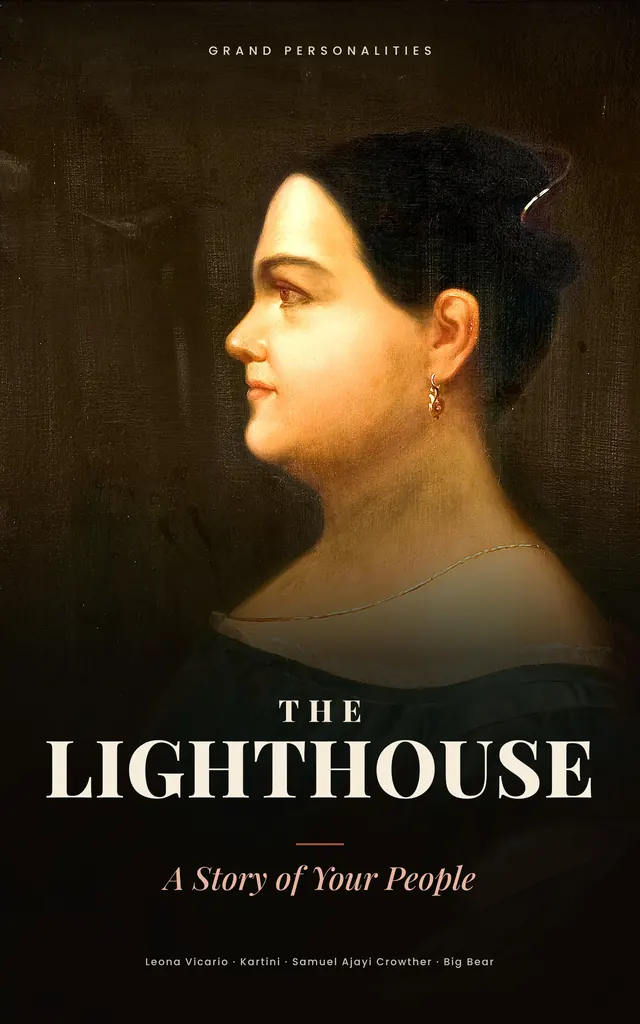
The book
The Lighthouse: A Story of Your People
His story and fourteen more, from the court of a Han dynasty emperor to a government office in Ottawa, grouped by the situations every Lighthouse runs into: work, love, friendship, money, the body, purpose and power.
More famous Lighthouses

Questions people ask
What personality type was Al-Ghazali?
His life fits the Lighthouse, one of the houses at Grand Personalities: someone quiet and certain, already three moves into a future he can feel but can't prove yet. Closest four-letter code: INFJ.
Why did Al-Ghazali leave Baghdad?
In 1095, at the height of his fame, he decided he was teaching for fame rather than for God, and his tongue failed him in front of his students. He provided for his family, gave away his wealth and left that November, saying he was going on pilgrimage.
What is Al-Ghazali's Deliverance from Error about?
It is his own account of his search for certainty and of the crisis of 1095: why he gave up his post in Baghdad and what he found in the years of retreat that followed.
No portrait of Al-Ghazali from his lifetime survives. Shown: the Lighthouse house art.