Famous Lighthouses
Sima Qianthe LighthouseINFJ
Han China, c. 145–c. 86 BCE · historian, court official, writer
The story
As weighty as Mount Tai
In 99 BCE, at the Han court in Chang'an, Emperor Wu asked his Grand Historian what he thought of a defeated general. Sima Qian was about 46. Nobody else in the hall was willing to say a good word for the man.
Only days before, the ministers had been raising their cups to General Li Ling, who had marched against the Xiongnu with good early news. Then came word that he had been beaten and had surrendered. The emperor, by the historian's account, lost his taste for food and for the business of court. The ministers went quiet.
Sima Qian was no friend of Li Ling's. The two had never even shared a cup of wine, he wrote later. He simply saw his ruler in pain, hearing only what the courtiers thought was safe.
So he told the whole of it. With fewer than 5,000 foot soldiers, Li Ling had fought the Xiongnu ruler for more than ten days, retreating a thousand li until the arrows ran out. Sima Qian was not excusing the surrender. He wanted the emperor to see everything that came before it.
Lighthouses know that moment. The person everyone has decided to blame is not in the room, and you hear yourself speaking up for him anyway.
The emperor heard something else. The commander of the wider campaign was his own brother-in-law, Li Guangli, and he took the historian's words as an attack on him and a partisan plea for Li Ling. Sima Qian was convicted of trying to deceive the throne.
The sentence was death. He could buy his way out, but his family was poor. Not one friend came to his aid, and not one of those close to the emperor said a word for him. He could take his own life, as honor seemed to demand. Or he could submit to castration.
He chose the knife. His father, Sima Tan, had begun a great history of the past, and on his deathbed in 110 BCE had made his son promise to finish it. A death in that cell would leave it undone for ever.
“A man dies only once. His death may be a matter weighty as Mount Tai or light as a feather. It all depends on the reason for which he dies.”
He lived. He was released, made a palace secretary, and served the emperor who had broken him. He called himself what was left over from the knife and the saw. And he went on writing.
Around 91 BCE a friend, Ren An, wrote to him from prison, under sentence of death. Sima Qian could not save him. He sent back a long letter telling everything: Li Ling, the cell, the knife, and why the work was worth what it had cost. A man, he wrote, acts for the friend who truly knows him.
The history was finished, and more than two thousand years later it is still read. No friend had spoken for him when it mattered. So at the end he spoke for himself, to one friend, and held nothing back.
The Lighthouse pattern in his life
- Speaks up for the absent
- He defended Li Ling, a man he had never shared a cup of wine with.
- Wounded most by being misread
- He spoke out of fairness and was punished as a partisan.
- Sets the full account down
- He finished the history, then explained everything in a letter to a friend facing death.
The Lighthouse: Quiet, certain, and already three moves into a future you can feel but can’t prove yet.
Are you a Lighthouse too?
Free, no email needed. Find out which house is yours.
Take the free test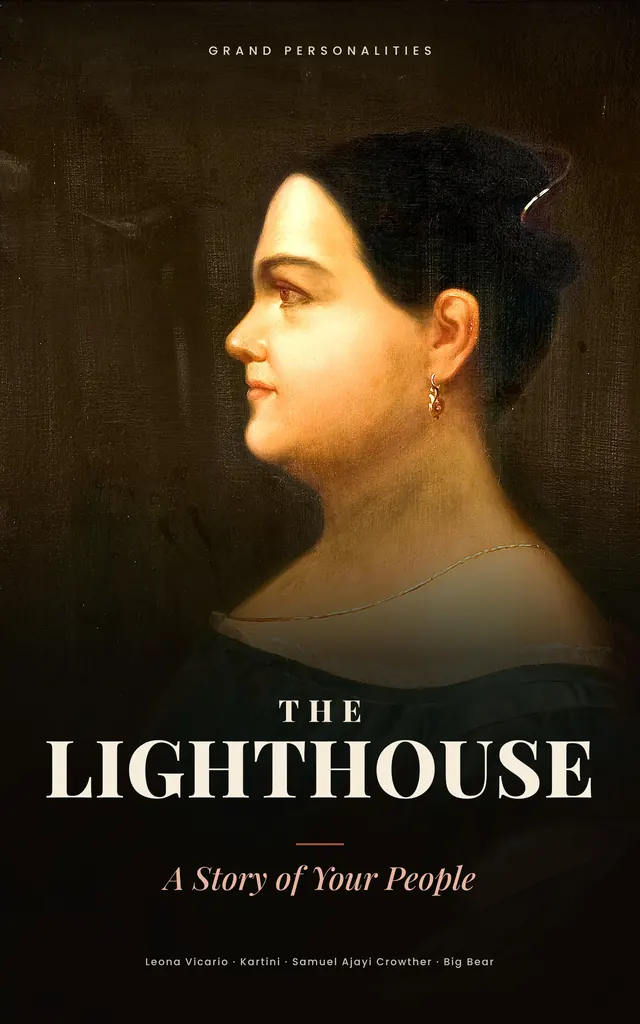
The book
The Lighthouse: A Story of Your People
His story and fourteen more, from the court of a Han dynasty emperor to a government office in Ottawa, grouped by the situations every Lighthouse runs into: work, love, friendship, money, the body, purpose and power.
More famous Lighthouses


Questions people ask
What personality type was Sima Qian?
His life fits the Lighthouse, one of the houses at Grand Personalities: someone quiet and certain, already three moves into a future he can feel but can't prove yet. Closest four-letter code: INFJ.
Why was Sima Qian castrated?
In 99 BCE he defended the defeated general Li Ling before Emperor Wu and was convicted of trying to deceive the emperor. Too poor to buy off the death sentence, he chose castration so that he could live to finish his history.
What did Sima Qian mean by “weighty as Mount Tai”?
In his letter to Ren An he wrote that a death can weigh as much as Mount Tai or as little as a feather, depending on what it is for. He refused an honorable death because his history was not yet finished.
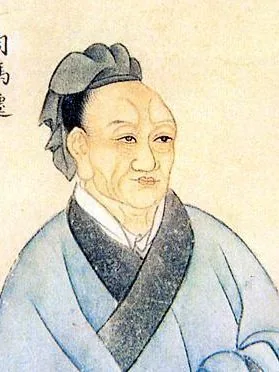
Portrait: Traditional portrait · Public domain · Source
