The story
Gone to the continent
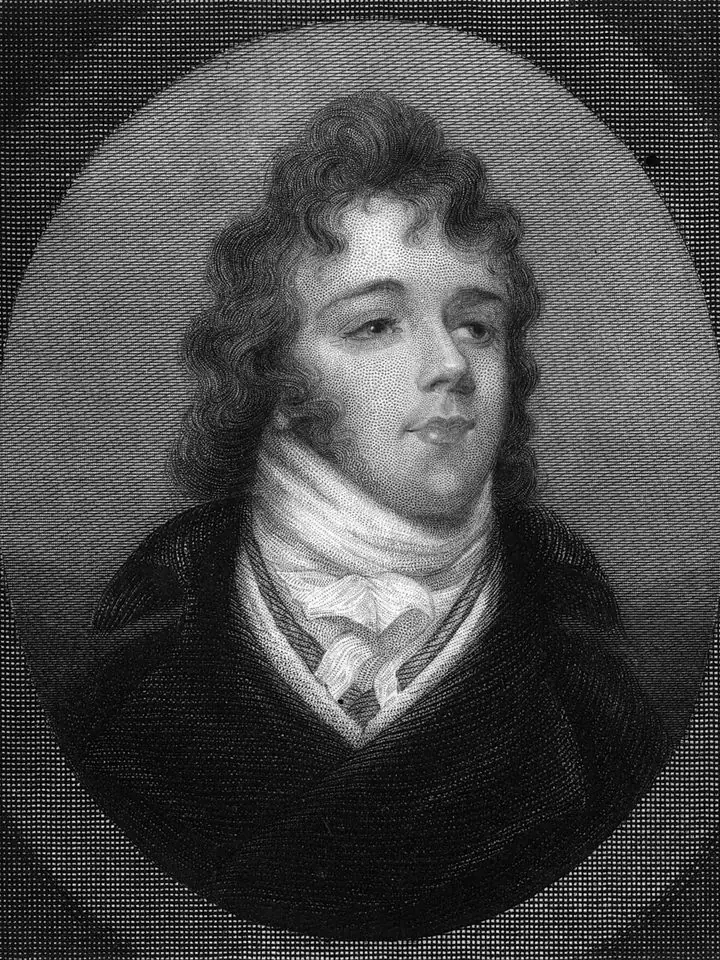
In May 1816, George Bryan Brummell, the man who had taught London how a gentleman should look, left for Calais with his debts unpaid. He was 37. Behind him his belongings went to auction, advertised, by one account, as the property of “a man of fashion, gone to the continent.”
For years Beau Brummell had ruled the fashionable rooms of London. His grandfather had been a valet who became a confectioner. His father rose to be private secretary to the prime minister, Lord North. The son rose higher still, on a talent nobody had quite seen before. He decided what a gentleman should look like, and his style was restraint: a dark coat, clean linen, a perfectly tied cravat. London copied him.
Bonfires know the pleasure of being copied. It means the room has caught your temperature. Brummell set the tone for a whole city, and he was a close friend of the Prince Regent.
He had a sharper weapon too: the cut, the public refusal to recognize someone. A word from Brummell could make a man in society, and a glance past him could unmake one. His rooms were valuable because so few people could get in.
He lived as if the money would always come. He gambled, he spent and he borrowed. His credit rested on his standing, and his standing rested on the prince.
In July 1813, at a masquerade at Watier's club, the prince cut him in public, staring at him without a word. Brummell turned to his friend Lord Alvanley with a question.
“Alvanley, who's your fat friend?”
The line is still repeated two centuries later. It also ended the friendship. Once the prince's favor had gone, the credit began to go with it. For a man like Brummell, credit was a kind of applause, given because everyone else was giving it and withdrawn the same way.
By 1816 he owed thousands of pounds. He wrote to his friend Scrope Davies to ask for a loan. Davies refused. A man who had spent years deciding who was worth knowing found that few people owed him anything.
In France he went on living as he had in London, on credit, for years. In 1830 friends who still remembered him, Lord Alvanley among them, had him made British consul at Caen. About two years later the post was abolished. In 1835 his creditors had him jailed for debt, and he was freed only because friends in England sent help.
His mind failed. He died in the Bon Sauveur asylum at Caen on 30 March 1840, at 61.
Five years later the French writer Barbey d'Aurevilly made him the hero of a famous essay on dandyism, and the style lived on. The debts were mostly forgotten.
The crowd that copied him never paid his bills. At the end, the people who did were the few friends he had let in.
The Bonfire pattern in his life
- Sets the tone of the room
- Fashionable London dressed the way he decided a gentleman should look.
- Lives on the strength of charm
- His credit rested on his standing, and his standing on the Prince Regent's favor.
- Turns a snub into a line
- Cut by the prince in 1813, he answered with “Alvanley, who's your fat friend?”
The Bonfire: You raise the temperature of a room on purpose. Present tense, full volume, real warmth.
Are you a Bonfire too?
Free, no email needed. Find out which house is yours.
Take the free test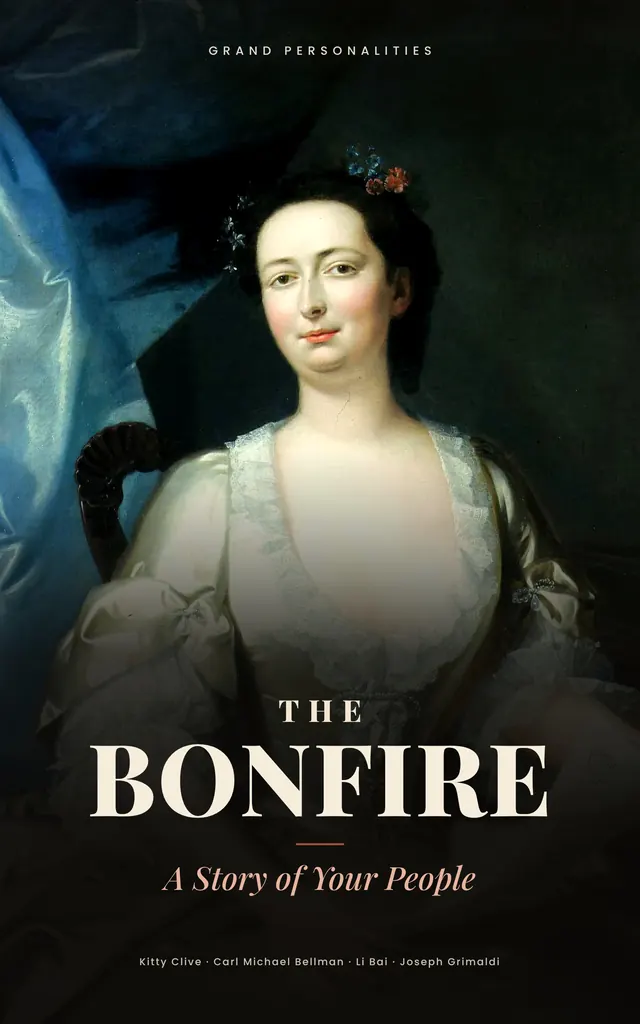
The book
The Bonfire: A Story of Your People
His story and fourteen more, from Tang China and Elizabethan London to Tehran, Havana and the Montreal waterfront, grouped by the situations every Bonfire runs into: work, love, friendship, money, the body, purpose and power.
More famous Bonfires

Questions people ask
What personality type was Beau Brummell?
His life fits the Bonfire, one of the houses at Grand Personalities: someone who raises the temperature of a room on purpose. Present tense, full volume, real warmth. Closest four-letter code: ESFP.
Why did Beau Brummell flee to France?
By 1816 he owed thousands of pounds, mostly from gambling and high living, and his credit had collapsed after his quarrel with the Prince Regent. He left for Calais to escape his creditors and debtors' prison.
Did Beau Brummell really say “Who's your fat friend?”
By the best-known account, yes. In July 1813, after the Prince Regent snubbed him at a masquerade at Watier's club, Brummell asked Lord Alvanley, “Alvanley, who's your fat friend?”
Portrait: Engraving after a miniature · Public domain · Source
