Famous Bonfires
Davy Crockettthe BonfireESFP
Tennessee, 1786–1836 · frontiersman, congressman, storyteller
The story
Even if I am the only one
On 26 May 1830, the most entertaining man in the House of Representatives voted against his own president.
David Crockett of Tennessee had been born poor on the frontier in 1786. He made himself famous the way Bonfires often do, by being the best story in any room. He claimed to have killed 105 bears in a single season. He campaigned, the stories go, by talking a crowd round and then marching it off to the drinks stand. His 1834 memoir sold the country a frontier legend: the joker, the hunter, the man who could out-talk anybody.
People loved him for it. They didn't expect him to be serious.
Then came the Indian Removal bill, President Andrew Jackson's plan to clear Native nations off their lands. Many of the people who had sent Crockett to Washington wanted it. A week before the vote, his printed remarks told the House he would oppose it even “if he should be the only member of that House.”
Hear the phrase. Even if I am the only one. That is the sound of a man who has counted the room, found himself alone in it, and decided it doesn't matter.
The bill passed, 102 votes to 97. Crockett was the only member of Tennessee's delegation to vote no.
It cost him. His district voted him out in 1831. He won the seat back two years later, lost it again in 1835, and nothing he wrote suggests he ever regretted the vote. He did what Bonfires do with a loss: he made a joke of it. He liked to say he had told his voters they might go to hell, and he would go to Texas.
Look at what the joke did. It didn't explain the vote away or promise to do better next time. It kept the vote standing. Most people use humor to dodge a hard conversation. Crockett used it to stand by one.
By January 1836 he was in Texas. On the 9th, eight weeks before he died, he wrote home from San Augustine to his daughter Margaret and her husband.
“I am rejoiced at my fate. I had rather be in my present situation than to be elected to a seat in Congress for life.”
Near the end of the letter he added: “I hope you will do the best you can and I will do the same. Do not be uneasy about me for I am with friends.”
On 6 March 1836 he died at the Alamo, aged 49. His legend grew enormous after that, much of it invented. A famous screen version later gave him a rousing speech against the removal bill that he never made. What survives is plainer, and braver: a few printed lines saying he would stand alone if he had to, and a vote that proved he meant it.
The Bonfire pattern in his life
- Raises the temperature of a room
- Won voters by talking a crowd round, then marching it to the drinks stand.
- Makes life into a story
- 105 bears in a season, and a memoir that sold his own legend.
- Keeps one thing out of the show
- Spent his popularity on a single vote, then joked about the loss without taking the vote back.
The Bonfire: You raise the temperature of a room on purpose. Present tense, full volume, real warmth.
Are you a Bonfire too?
Free, no email needed. Find out which house is yours.
Take the free test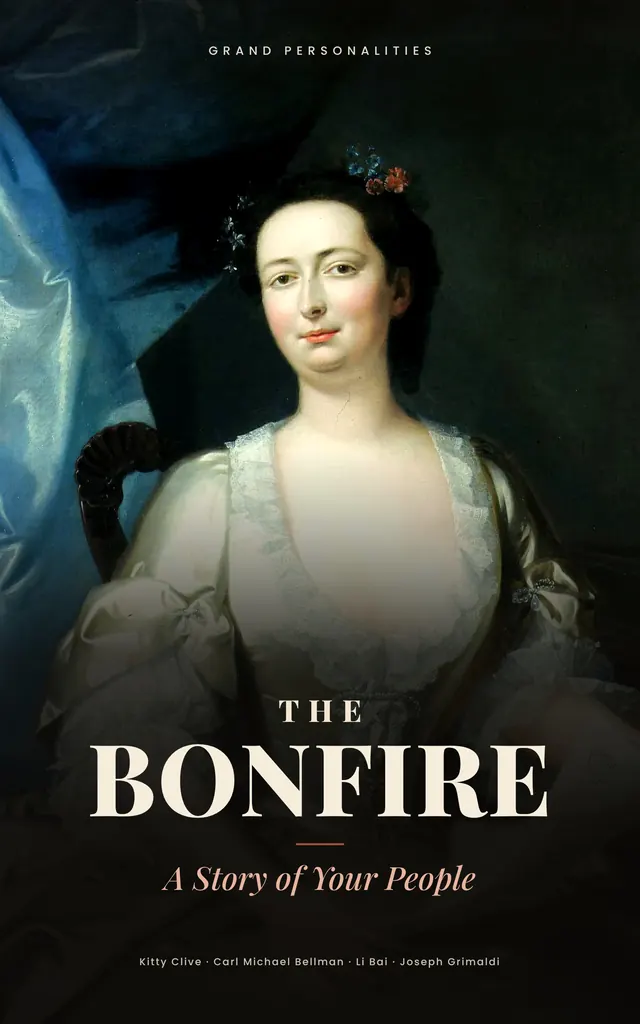
The book
The Bonfire: A Story of Your People
His story and fourteen more, from Tang China and Elizabethan London to Tehran, Havana and the Montreal waterfront, grouped by the situations every Bonfire runs into: work, love, friendship, money, the body, purpose and power.
More famous Bonfires
Questions people ask
What personality type was Davy Crockett?
His life fits the Bonfire, one of the houses at Grand Personalities: someone who raises the temperature of a room on purpose. Present tense, full volume, real warmth. Closest four-letter code: ESFP.
How did Davy Crockett vote on the Indian Removal Act?
He voted no on 26 May 1830, the only member of Tennessee's delegation to do so, after telling the House he would oppose the bill even if he stood alone. He lost his seat in the next election.
Did Davy Crockett say “you may all go to hell and I will go to Texas”?
He told the story himself after losing his seat in 1835. It may have been polished in the telling, but the line is his own.
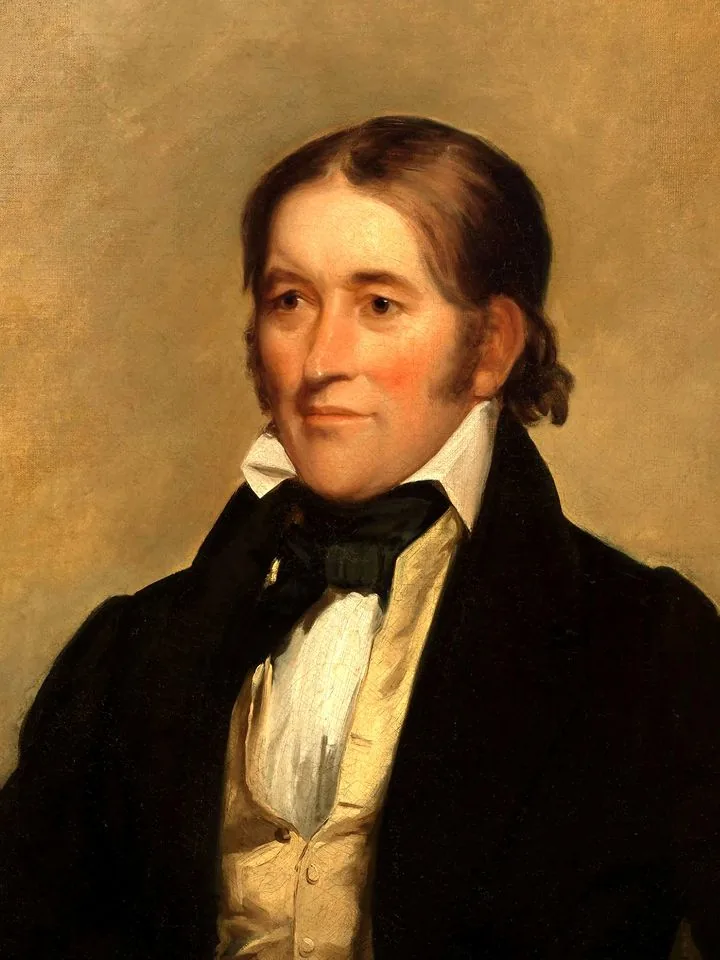
Portrait: Chester Harding, 1834 · National Portrait Gallery, Smithsonian · public domain