Famous Beacons
Elizabeth Frythe BeaconENFJ
England, 1780–1845 · prison reformer, Quaker minister, mother of eleven
The story
The far easier office
One Sunday in the late autumn of 1828, Elizabeth Fry sat in a Quaker meeting for worship with, as her daughters remembered it, “the big tears rolling down her face in quick succession.” She was 48, and her husband's bank had just failed.
Then she stood up and preached. Her text was “Though He slay me, yet will I trust in Him.”
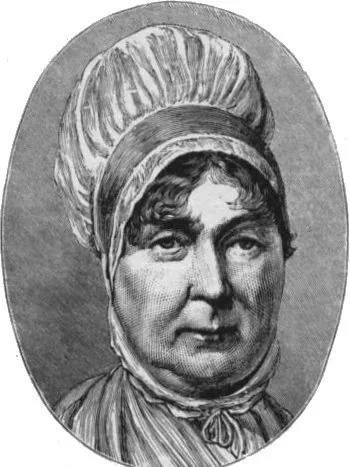
She was the most admired woman reformer in Britain. Born Elizabeth Gurney in Norwich in 1780, into a wealthy Quaker banking family, she had married Joseph Fry at 20 and raised a large family. In 1813 she first visited the women held in Newgate prison. A few years later she went back, started a school inside the prison for the prisoners' children, and in 1817 founded an association of women to care for the women inside. In 1818 she gave evidence to a committee of the House of Commons, believed to be the first woman ever called to do so.
It is the work Beacons are drawn to. Notice who is suffering, say it out loud, then organize the people who can help.
Plashet House, outside London, had been the family's home since 1809, and it was the center of her charity. There were schools, help for the poor of the parish, and servants and pensioners who relied on the family. Now Joseph was bankrupt, and all of it had to go.
In November she wrote to one of her children about the losses that cut deepest: “parting with servants, schools, the poor around us.” The people she looked after came first on the list.
Letters came from friends all that winter. The one that mattered most came from William Wilberforce. He saw the thing she would find hardest. Her family and friends wanted to help her, and she would have to let them.
“You are richly provided with relatives and friends whom you love so well as to relish receiving kindnesses from them, as well as the far easier office of doing them.”
The far easier office. Wilberforce had seen it exactly. Doing kindness came naturally to her; it was her life's work. Receiving it was a skill she had never practiced.
Her family stepped in, and her brother Samuel Gurney lent them a house in West Ham. She wondered whether she should leave public life altogether. Wilberforce wrote again, calling it “the absolute duty” for her to renew her prison visits. She went back.
On 10 June 1829, at 49, she wrote from the smaller house that the move had been hard. Then she added a sentence of decision: “Place is a matter of small importance, if that peace which the world cannot give be our portion.”
She worked for sixteen more years and visited prisons across Europe. She died at Ramsgate on 12 October 1845, aged 65. Much later her face appeared on the Bank of England's five-pound note.
Newgate is the story people tell about her. The harder lesson came after Plashet, when the woman who had carried everyone let herself be carried.
The Beacon pattern in her life
- Organizes the rescue for others
- She started a school inside Newgate and founded an association of women to care for its prisoners.
- Feels the loss for everyone
- What hurt most in 1828 was parting with “servants, schools, the poor around us.”
- Finds receiving harder than giving
- Wilberforce had to remind her that doing kindnesses was “the far easier office.”
The Beacon: You say the thing the room is feeling, then organize it into something people will follow.
Are you a Beacon too?
Free, no email needed. Find out which house is yours.
Take the free test
The book
The Beacon: A Story of Your People
Her story and fifteen more, from fourteenth-century Siena to twentieth-century Korea and from Hudson Bay to Buenos Aires, grouped by the situations every Beacon runs into: work, love, friendship, money, the body, purpose and power.
More famous Beacons

Questions people ask
What personality type was Elizabeth Fry?
Her life fits the Beacon, one of the houses at Grand Personalities: someone who says the thing the room is feeling, then organizes it into something people will follow. Closest four-letter code: ENFJ.
Did Elizabeth Fry go bankrupt?
Her husband, Joseph Fry, went bankrupt when his bank failed in 1828. The family lost Plashet House, their home for nearly twenty years, and in 1829 moved to a smaller house in West Ham lent by her brother Samuel Gurney.
Did Elizabeth Fry stop her prison work after the bankruptcy?
She considered withdrawing from public life, but William Wilberforce told her it was “the absolute duty” for her to renew her prison visits. She went back, and later visited prisons across Europe.
Portrait: Engraved portrait · Public domain · Source
