Famous Workbenches
Emily Warren Roeblingthe WorkbenchISTP
New York, 1843–1903 · bridge builder, diplomat, law graduate
The story
But for me
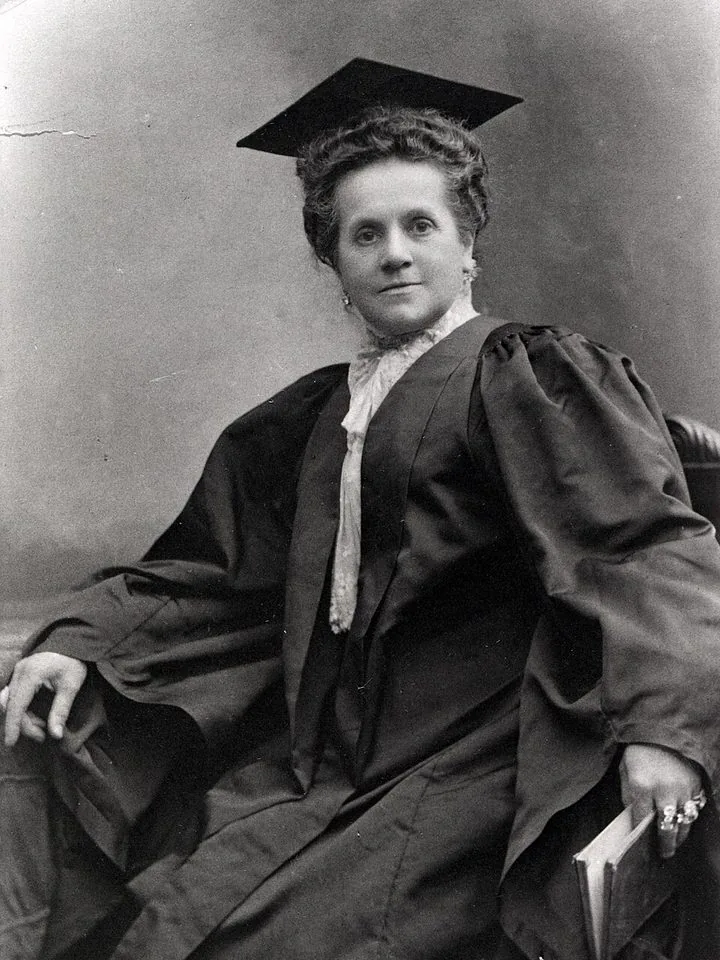
In 1872, the chief engineer of the Brooklyn Bridge, then rising over New York's East River, could no longer reach his own building site. From then on, the site reached him through one person: his wife, Emily Warren Roebling. She was not yet 30.
Washington Roebling had caisson disease, the illness of men who worked in the compressed air of the chambers sunk beneath the river. He was confined to his room and saw almost no one but her. The bridge still had to be built.
So she became his hands and his voice. She wrote his letters and kept his notebooks. She carried his instructions to the assistant engineers and met the contractors and city officials. She learned the engineering by doing it, from the strength of materials to the making of cables, until she could handle the bridge's daily business herself.
It went on for eleven years, and every word went out under his name. If the trustees had believed a woman was doing the chief engineer's work, he could have lost the post. Her invisibility was what kept it, and she accepted the price.
It is a very Workbench kind of skill: learn the job with your hands, carry the load, and stay out of the frame when the frame would wreck the work. She was also a fine diplomat. She simply never talked about the thing she did best.
In 1882 the threat came anyway. The trustees moved to replace Washington as chief engineer. Emily lobbied the engineers and politicians in his defense, and he kept his post.
The bridge opened on 24 May 1883. She was 39. In his speech that day Abram Hewitt called it “an everlasting monument to the self-sacrificing devotion of a woman.” Most of the city still thought of it as her husband's bridge.
She kept her own counsel for years. Then in 1898 her son John criticized her, and she wrote back that she had “more brains, common sense, and know-how generally than any two engineers civil or uncivil” she had ever met.
“…but for me the Brooklyn Bridge would never have had the name of Roebling in any way connected with it!”
Civil or uncivil. You can hear twenty-six years of quiet breaking in that line, funny and proud and furious at once. Workbenches rarely make the plain claim out loud, and when they do, it tends to arrive all at once.
The next year, in her mid-fifties, she earned a law certificate from New York University, for herself, under her own name.
She died on 28 February 1903, aged 59. She had given the bridge eleven years under someone else's name, and one plain sentence under her own.
The Workbench pattern in her life
- Learns the job by handling it
- She learned bridge engineering on the job, well enough to run its daily business.
- Carries the load out of frame
- For eleven years every letter and instruction went out under her husband's name.
- Says the plain thing once
- In a single letter to her son, she wrote that but for her the bridge would never have carried the Roebling name.
The Workbench: You solve it by handling it. Quiet, practical, allergic to a plan that outruns the facts.
Are you a Workbench too?
Free, no email needed. Find out which house is yours.
Take the free test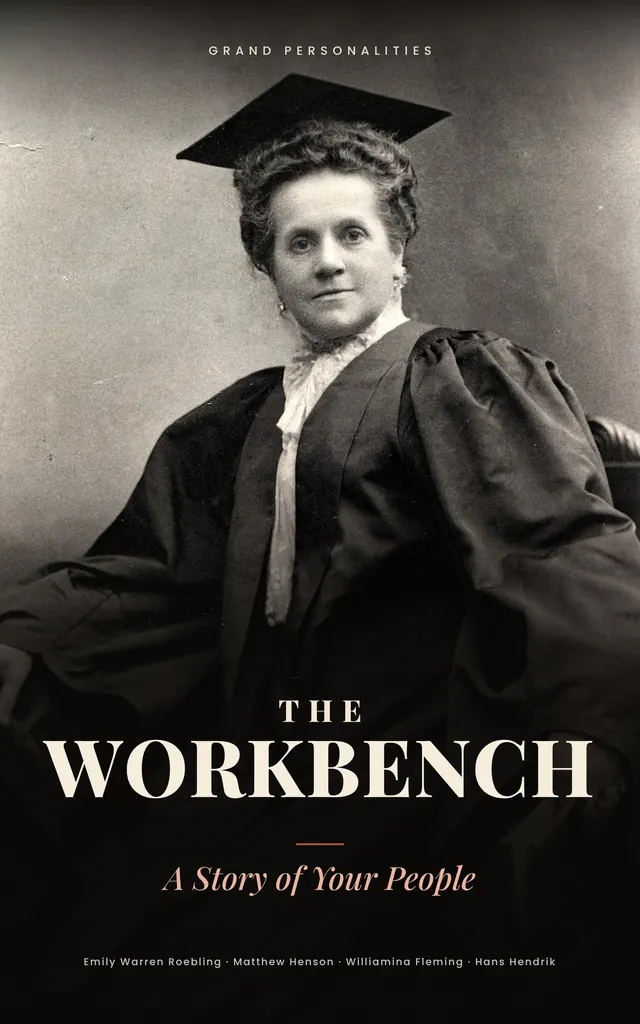
The book
The Workbench: A Story of Your People
Her story and fourteen more, from the court of fifteenth-century Korea to a canyon laboratory in New Mexico in 1946, grouped by the situations every Workbench runs into: friendship, work, money, love, power, identity and the body.
More famous Workbenches

Questions people ask
What personality type was Emily Warren Roebling?
Her life fits the Workbench, one of the houses at Grand Personalities: someone who solves problems by handling them, quiet and practical, and allergic to a plan that outruns the facts. Closest four-letter code: ISTP.
Did Emily Roebling build the Brooklyn Bridge?
She did not design it. From 1872 to 1883 she carried out much of the chief engineer's daily work for her bedridden husband: his letters, his records, his instructions to the engineers and his dealings with contractors and officials.
What did Emily Roebling say about the Brooklyn Bridge?
In an 1898 letter to her son she wrote that “but for me the Brooklyn Bridge would never have had the name of Roebling in any way connected with it!”
Portrait: Photograph, 1899 · Public domain · Source
