Famous Workbenches
Louis Slotinthe WorkbenchISTP
Winnipeg and Los Alamos, 1910–1946 · physicist, chemist, bomb assembler
The story
The fastest hand in the room
At about twenty past three on the afternoon of Tuesday, 21 May 1946, in a laboratory in a canyon outside Los Alamos, a screwdriver slipped.
Louis Slotin, 35, had been using its blade to hold the top half of a beryllium shell above a ball of plutonium. The screwdriver was all that kept the two halves apart.
He was born in Winnipeg on 1 December 1910, the son of Jewish refugees from Russia. By 1946 he was, in his own words, one of the few experienced “bomb putter-togetherers” left at Los Alamos. He liked to do the hands-on work himself.
The experiment was a delicate one. The closer the top shell came to the bottom, the nearer the core came to a runaway chain reaction. The whole art lay in keeping a gap and never closing it. The approved method used shims as spacers between the halves. Slotin used the screwdriver, lowering and raising the shell by hand. He had done it before, and it had worked.
That is the kind of shortcut Workbenches are proudest of finding: the shortest method that works, with nothing extra. To hands as good as his, the spacers looked like extra. Every success made the screwdriver feel a little safer than it was.
In ordinary life the screwdriver rarely looks deadly. It looks like skipping a safety check because you have done the job a hundred times, or cutting a step that has never once caught an error. Most of the time, the instinct is right. The trouble is that most of the time is not a safety margin.
That afternoon he was showing the technique to Alvin Graves, who was due to take the work over. Seven other people were in the room.
When the blade slipped, the top shell dropped onto the bottom one and the core went critical. There was a blue flash and a wave of heat. Slotin flicked the top shell off with his left hand, and the reaction stopped. He had moved before anyone else in the room could.
“Well, that does it.”
There was no panic in it, and no speech. It was a technician's verdict on a failed run, from a man who understood at once what had happened to him.
Then he turned to the next job. He sketched the room, marking where each person had been standing at the moment of the flash, so the doctors could work out the dose each of them had taken.
Slotin died nine days later, on 30 May 1946. The seven others in the room survived the accident.
The confidence that let him trust a screwdriver was the same confidence that moved his hand within half a second when it slipped. It was one gift, pointed two ways.
The Workbench pattern in his life
- Finds the shortest working method
- He held the shell up with a screwdriver, because the approved spacers looked like extra.
- Calmest hands in a crisis
- When the core went critical, he flicked the shell off with his left hand before anyone else could move.
- Gets the facts down first
- Moments later he was sketching where everyone had stood, so their doses could be worked out.
The Workbench: You solve it by handling it. Quiet, practical, allergic to a plan that outruns the facts.
Are you a Workbench too?
Free, no email needed. Find out which house is yours.
Take the free test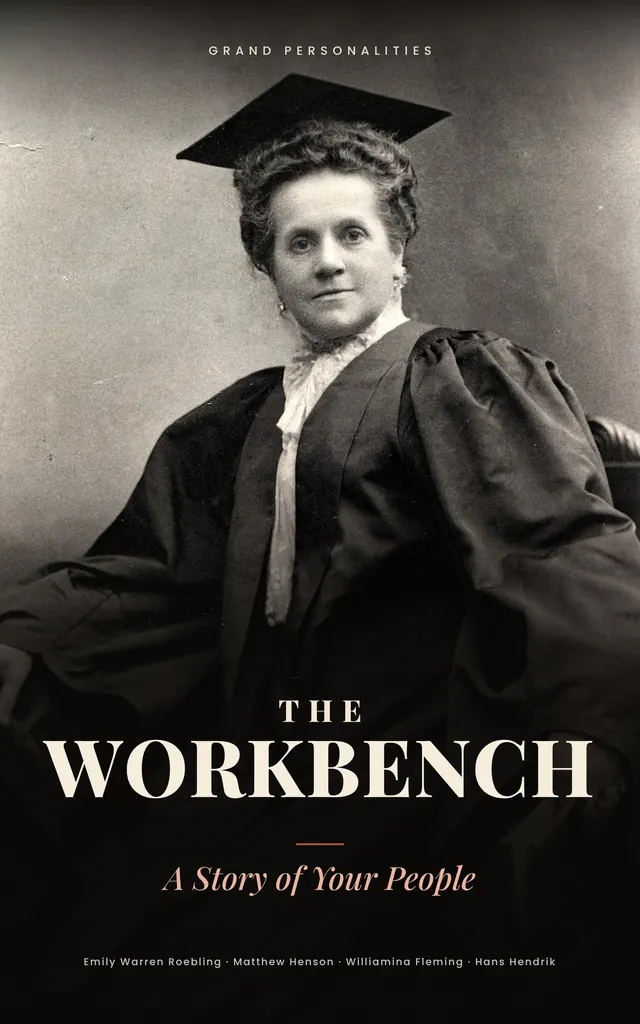
The book
The Workbench: A Story of Your People
His story and fourteen more, from the court of fifteenth-century Korea to a canyon laboratory in New Mexico in 1946, grouped by the situations every Workbench runs into: friendship, work, money, love, power, identity and the body.
More famous Workbenches

Questions people ask
What personality type was Louis Slotin?
His life fits the Workbench, one of the houses at Grand Personalities: someone who solves problems by handling them, quiet and practical, and allergic to a plan that outruns the facts. Closest four-letter code: ISTP.
What happened to Louis Slotin?
On 21 May 1946 at Los Alamos, the screwdriver he was using to keep two halves of a beryllium shell apart around a plutonium core slipped, and the core went critical. He flicked the top shell off and stopped the reaction, but he had taken a fatal dose and died nine days later.
What did Louis Slotin do after the accident?
He said “Well, that does it,” then sketched where everyone in the room had been standing so their radiation doses could be estimated. The seven others present survived the accident.
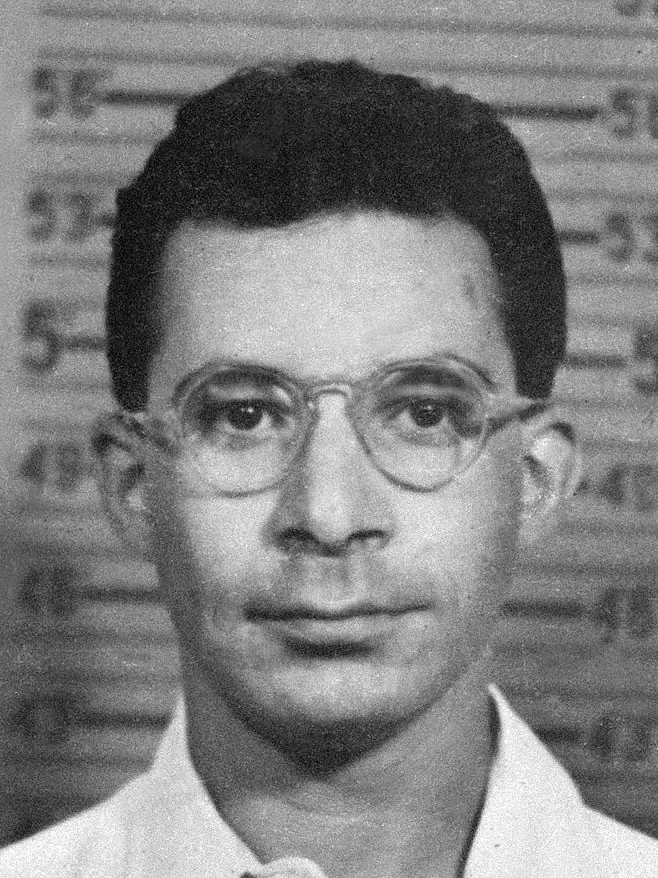
Portrait: Los Alamos National Laboratory, about 1944 · Public domain · Source
