Famous Wildfires
Flora Tristanthe WildfireENFP
France and Peru, 1803–1844 · writer, socialist, feminist
The story
The workers paid for the stone
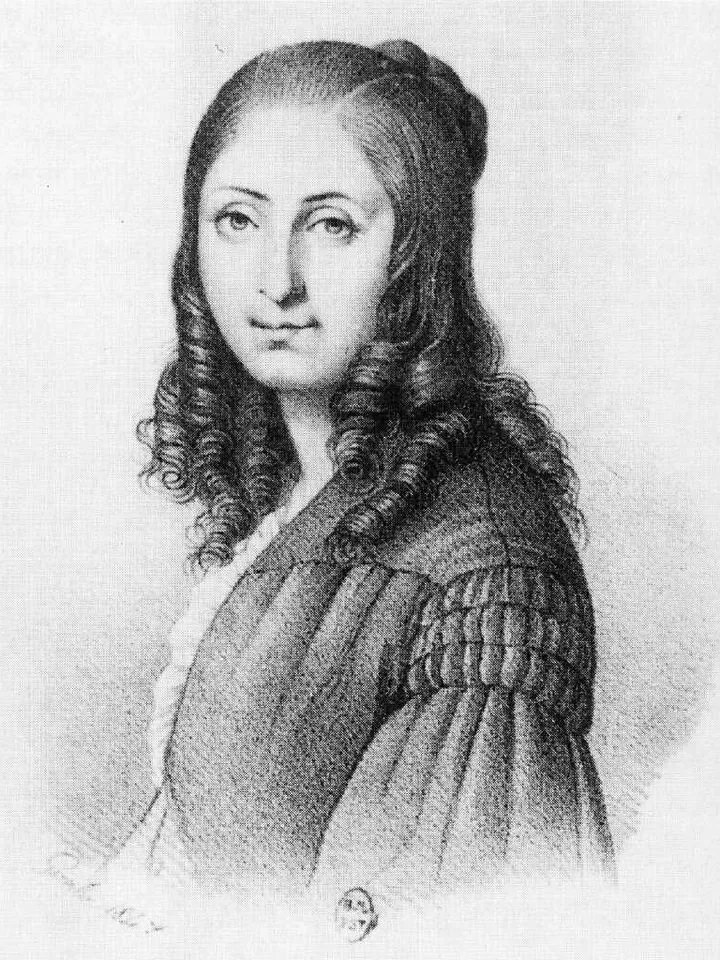
In the spring of 1844, at 41, Flora Tristan left Paris alone to go around France and talk to its workers, town by town.
She modeled the trip on the tour of France that young craftsmen made to learn their trades. She carried her own book, The Workers' Union, which called on the working men and women of France to join in one great union. The book came out five years before Marx and Engels urged the workers of the world to unite.
She had paid to print it by subscription, a little money from many people, instead of one patron's purse. The method matched the message.
To see why she went, go back to a string of injuries, each one turned into fuel.
She was born in Paris on 7 April 1803. Her father, Mariano de Tristán y Moscoso, came from a great family in Peru. He and her mother had been married by a priest in Spain and never in a French civil ceremony. When he died in 1807, his four-year-old daughter had no standing in law.
At 17 she married André Chazal, a lithographer whose workshop she worked in. Divorce was banned in France. In 1825, pregnant with her third child, she left him anyway.
In 1833 she sailed to Peru to claim her father's inheritance from her uncle Pío in Arequipa. He would not give her the inheritance, because in law she was illegitimate. She came home and wrote it all into a book, Peregrinations of a Pariah. In 1838 Chazal shot her. She survived with a bullet lodged near her heart, and he was sentenced to twenty years' hard labor.
A lost father, a fled marriage, a refused inheritance, a bullet. She turned each private wound into a public argument. Wildfires at their best do exactly this: the wound becomes a cause, and the cause becomes a road.
Her argument also reached further than most in her day, because it included the women at home.
“She is the proletarian of the proletarian himself.”
On the road the work was harder than the writing. Her journal is honest about both sides of her. Workers told her they would like to meet but it was impossible. Some nights she raged at them in its pages. She also wrote that without the love in her she could not go on. Wildfires know that mix of love and exasperation for the very people a cause is for.
She went on through Lyon, the city of the silk workers' risings, then south and west, ill for months. By the autumn she had reached Bordeaux. She never left it.
She died at the home of her friends Charles and Élisa Lemonnier on 14 November 1844, most likely of typhoid. She was 41, seven months out of Paris.
In 1848 the workers of France raised money among themselves and put a monument over her grave in Bordeaux. She had paid for her book with many small subscriptions. They paid for her stone the same way.
The Wildfire pattern in her life
- Turns wounds into causes
- Disinherited, then shot by her husband, she answered with books and a plan for one great workers' union.
- Brings many people in
- She paid for her book by subscription, a little money from many people instead of one patron.
- Goes out to meet the crowd
- At 41 she left Paris alone to talk to workers in their own towns, and kept going while ill.
The Wildfire: Fast, warm, everywhere at once. You start the thing and someone else usually files it.
Are you a Wildfire too?
Free, no email needed. Find out which house is yours.
Take the free test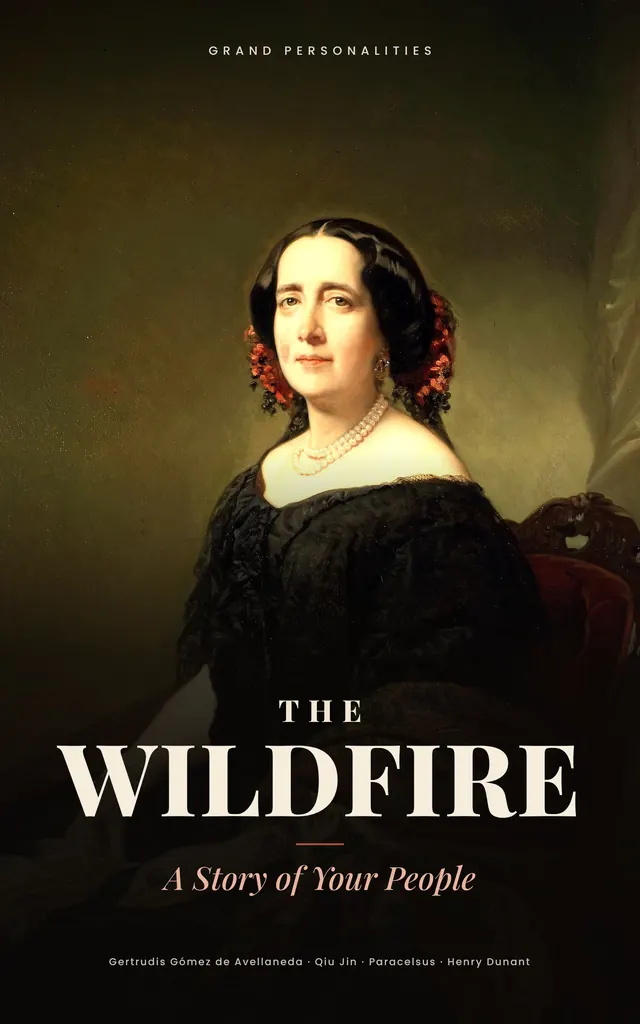
The book
The Wildfire: A Story of Your People
Her story and fourteen more, from a brewery in medieval Norfolk to a beach in New Guinea, grouped by the situations every Wildfire runs into: power, work, love, friendship, money, the body and purpose.
More famous Wildfires
Questions people ask
What personality type was Flora Tristan?
Her life fits the Wildfire, one of the houses at Grand Personalities: someone fast, warm and everywhere at once, who starts the thing and usually leaves someone else to file it. Closest four-letter code: ENFP.
What did Flora Tristan do?
She was a French writer and activist whose book The Workers' Union (1843) called on working men and women to join in one great union. In 1844 she set out to tour France and organize it, and she argued that working women carried the heaviest load of all.
How did Flora Tristan die?
She fell ill on her 1844 tour of France and died in Bordeaux on 14 November 1844, aged 41, most likely of typhoid. In 1848 workers paid for a monument over her grave by subscription.
Portrait: Jules Laure, 1847 · Public domain · Source
