Famous Wildfires
Kimpa Vitathe WildfireENFP
Kingdom of Kongo, c. 1684–1706 · prophet, preacher, peacemaker
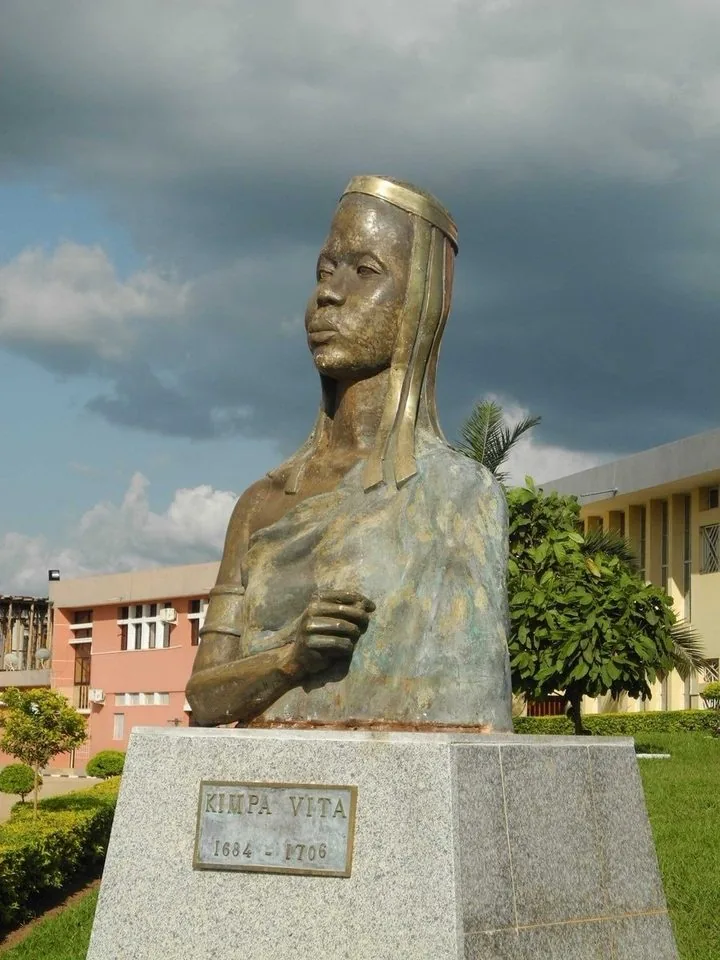
The story
The city filled again
In 1704, a young Kongolese noblewoman of about 20 rose from an illness and said that Saint Anthony had come into her. Her name was Kimpa Vita. The missionaries called her Dona Beatriz, the name she had been given at baptism.
The Kingdom of Kongo, in what is now northern Angola, had been torn apart by civil war. Its old capital, São Salvador, which the Kongolese called Mbanza Kongo, lay in ruins and nearly empty.
She began to preach, and what she said was startling. Jesus, she taught, had been born in Mbanza Kongo. Mary and Saint Francis had been Kongolese too. The Italian Capuchin friars had the faith wrong. The wars had angered Christ, and Kongo had to come back together under one king.
To say that was to say the faith the foreigners had brought belonged to the people who lived it. Wildfires make that claim in every century: a precious thing has been held by the wrong hands, and should go back to the people it was for.
To those who heard her, it was a picture of their whole country put back together. In 1705 they followed her into São Salvador. She made her home in the ruined cathedral and called people back, and the empty city began to fill again.
“Saint Anthony is the door of heaven. Saint Anthony holds the keys of heaven.”
A young woman with no army and no office had done what years of war had not. She did it the Wildfire way: she said the hoped-for thing aloud, with total conviction, and let it travel from person to person until a crowd was moving.
People in a broken place often know what they long for. They are waiting for someone to say it first, and make it sound as if it has already begun.
The same gift left her exposed. A crowd that believes is power, and power draws people with plans of their own. One of King Pedro IV's commanders, Pedro Constantinho da Silva, went over to her movement and rose against the king. Pedro IV now faced a prophet who could fill a capital he could not.
She had preached chastity, and she became pregnant. She hid it. When it came out, her enemies had their weapon. The king's men took her near her home, the story goes, after hearing her baby cry.
She was tried as a witch and a heretic, with the Capuchin friars advising. The friars wrote that at the end she renounced all she had taught. They were the ones who had wanted her to.
On 2 July 1706, at Evululu, she was burned alive. She was about 22. By one account João Barro, the father of her child, died in the same fire. Her son was spared. She had wanted to call him António, after the saint. A friar baptized him Jerónimo instead.
The fire did not end it. Even the king's wife, Hipólita, had become one of her followers, and the movement outlived her. She is sometimes called the Congolese Joan of Arc.
The hope was never her mistake. It was the best thing in the ruined city, and for two years it brought the city back to life.
The Wildfire pattern in her life
- Says the shared hope out loud
- She told a kingdom worn out by war that it could be whole again, and crowds believed her.
- Hands the precious thing back
- She taught that the faith belonged to Kongo, with Jesus born in Mbanza Kongo itself.
- Moves people without any office
- With no army and no title, she led her people back into their ruined capital in 1705.
The Wildfire: Fast, warm, everywhere at once. You start the thing and someone else usually files it.
Are you a Wildfire too?
Free, no email needed. Find out which house is yours.
Take the free test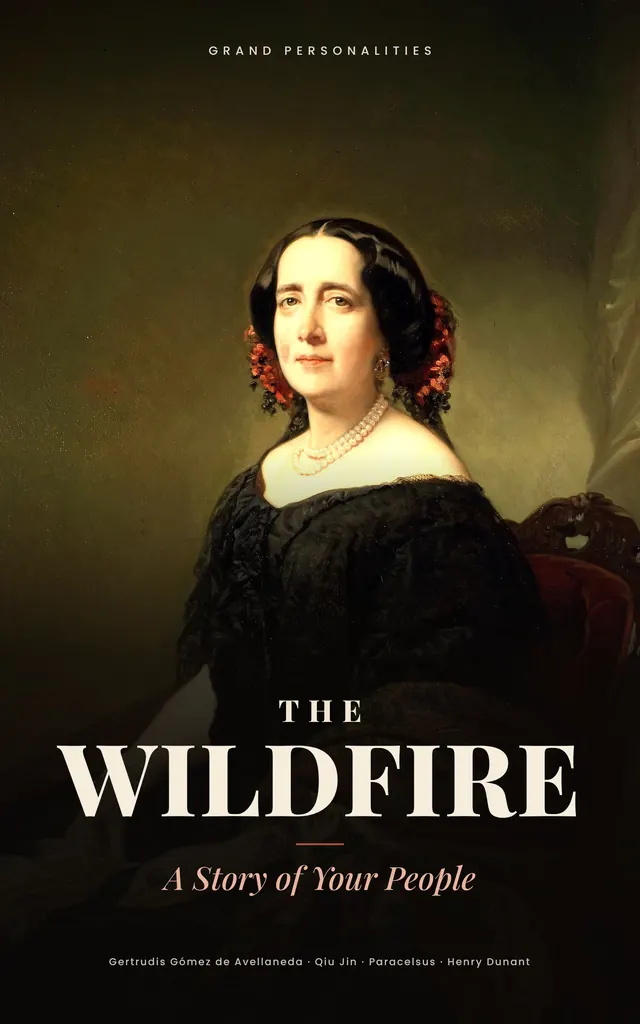
The book
The Wildfire: A Story of Your People
Her story and fourteen more, from a brewery in medieval Norfolk to a beach in New Guinea, grouped by the situations every Wildfire runs into: power, work, love, friendship, money, the body and purpose.
More famous Wildfires
Questions people ask
What personality type was Kimpa Vita?
Her life fits the Wildfire, one of the houses at Grand Personalities: someone fast, warm and everywhere at once, who starts the thing and usually leaves someone else to file it. Closest four-letter code: ENFP.
Why was Kimpa Vita burned at the stake?
Her movement filled Kongo's ruined capital and drew in one of the king's commanders, so King Pedro IV saw her as a threat. She was tried as a witch and heretic, with Capuchin friars advising, and burned at Evululu on 2 July 1706.
What did Kimpa Vita teach?
She taught that Jesus was born in Mbanza Kongo (São Salvador), that Mary and Saint Francis were Kongolese, and that the civil wars had to end with Kongo reunited under one king. She also criticized the Capuchin missionaries.
Portrait: Photo: Somebody040404, 2020 · CC BY-SA 4.0 · Source
