Famous Observatories
Frances Oldham Kelseythe ObservatoryINTJ
Canada and the United States, 1914–2015 · pharmacologist, physician, drug reviewer
The story
The easy file
In early September 1960, a month into her new job at the Food and Drug Administration, Frances Kelsey was handed the easy file. She was 46. Her supervisors told her as much: “Well, this is a very easy one. There will be no problems with sleeping pills.”
The drug company Merrell wanted to sell a sedative in the United States under the name Kevadon. The drug was thalidomide, already on sale in Europe. Kelsey was, in her own words, “the newest person there and pretty green.”
She had been underestimated before. Born Frances Oldham on Vancouver Island in 1914, she was offered her first research post in Chicago by a letter that began “Dear Mr. Oldham.” Her professor told her to accept, sign her name, “put Miss in brackets afterwards, and go!” She went.
In 1960 the law gave the agency sixty days to object to a new drug. If it said nothing, the drug was approved automatically. The default was yes, and the careful reader was the only safeguard.
She took the clinical reports; a chemist and a pharmacologist took the rest. Many of the reports read more like testimonials than science. All three reviewers found gaps, and near the sixty-day mark she declared the application incomplete, which stopped the clock. Each time the company sent more, she said exactly what was still missing and waited. She never tried to win by a trick.
Merrell pushed hard. Its man telephoned, visited, and finally complained over her head. Her supervisors backed her.
Then a delayed copy of the British Medical Journal reached her desk. In it was a short letter from a British doctor, Leslie Florence: some of his patients on the drug had developed nerve damage in their hands and feet.
Observatories notice small items. “But the peripheral neuritis did not seem the sort of side effect that should come from a simple sleeping pill,” she wrote. When she raised it with the company, on about the third phone call, it was clear they had known and “had not volunteered the information.”
Then she asked the long-range question. If this drug could reach an adult's nerves, what could it do to a child in the womb?
“When you give a drug to a pregnant woman you are exposing, in fact, two people to the drug, the mother and the child.”
The company offered a warning on the label. She wanted a study. For eighteen months she kept saying, calmly and in writing, that the evidence was not there. Late in 1961 the drug was withdrawn in Germany after it was linked to severe birth defects, and on 8 March 1962 Merrell withdrew its American application.
Something had got through, and she said so. Before any approval, samples had gone out to over a thousand American doctors, and some seventeen affected children were born in the United States.
In August 1962, at 48, she received the President's Award for Distinguished Federal Civilian Service from John F. Kennedy. “This was really a team effort,” she said. She lived to 101, and she kept correcting anyone who called her a lone heroine.
The newest person in the building had simply been the one who read the file.
The Observatory pattern in her life
- Follows the oddity to the end
- A note about tingling hands led her to ask what the drug could do to an unborn child.
- Holds a calm, exact “not yet”
- For eighteen months she told the company precisely what evidence was missing, and waited.
- Accurate about her own part
- She called the award “really a team effort” and named the children the system had failed to protect.
The Observatory: You build the whole model before you speak, then defend it like it cost you something. It did.
Are you an Observatory too?
Free, no email needed. Find out which house is yours.
Take the free test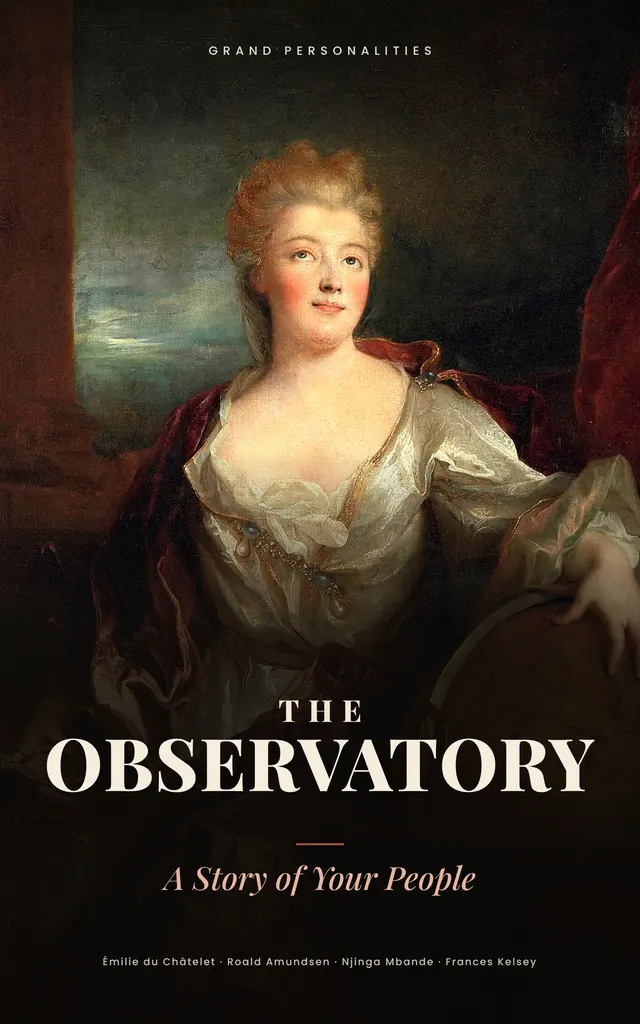
The book
The Observatory: A Story of Your People
Her story and fourteen more, from an execution ground in Edo to a hut on the Antarctic ice, grouped by the situations every Observatory runs into: work, love, friendship, money, the body, purpose and power.
More famous Observatories

Questions people ask
What personality type was Frances Oldham Kelsey?
Her life fits the Observatory, one of the houses at Grand Personalities: someone who builds the whole model before speaking, then defends it like it cost her something. It did. Closest four-letter code: INTJ.
How did Frances Kelsey stop thalidomide?
As a new FDA reviewer from September 1960, she kept declaring Merrell's application incomplete and asking for real safety evidence, including on use in pregnancy. Merrell withdrew its US application on 8 March 1962, after the drug was linked to birth defects abroad.
What award did Frances Kelsey receive?
On 7 August 1962 President John F. Kennedy gave her the President's Award for Distinguished Federal Civilian Service. She called it a team effort.
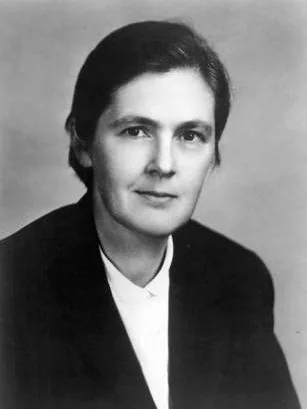
Portrait: Unknown photographer · Public domain · Source
