Famous Observatories
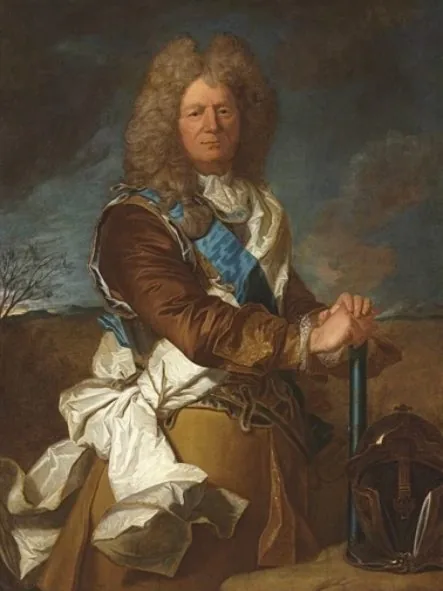
Vaubanthe ObservatoryINTJ
France, 1633–1707 · military engineer, fortress builder, tax reformer
The story
Not for us to foresee
In the last days of 1706, Sébastien Le Prestre de Vauban, 73, went to collect a book that nobody had given him permission to print. By one account he met the bales of fresh sheets himself, in his own carriage.
He was France's greatest builder of fortresses. Born in 1633 into minor, hard-up Burgundian nobility, he had spent decades building the walls of France and breaking the walls of its enemies in Louis XIV's wars. Those sieges brought real suffering to the townspeople inside, and that belongs in his story too. In old age he turned the same eye on the system that paid for all those wars, and what he found troubled him more than any fortress.
The book was the Projet d'une dixme royale, the Plan for a Royal Tithe. Its long title promised one simple tax in place of a whole tangle of unfair ones, falling on no subject more than another and bringing the king a sure revenue.
To an Observatory, that is a design. It was also radical. A tax on everyone alike meant a tax on nobles and clergy who had never paid. Vauban was one of them. He had done the arithmetic, and he proposed it anyway.
He had put the plan to the king years before, and nothing had come of it. So he had it printed in secret, without his name, and some 276 copies bound. Printed first, permission asked afterward. Observatories understand that order. If you ask first and are refused, the work never exists.
In February 1707 the king's council condemned the book. In March the Paris police were ordered to seize every copy.
By one account, a police officer saw at once where the trail would lead: all the evidence would fall on Vauban. His chief, d'Argenson, replied that when it came to the king's orders, it was not their business to foresee the consequences. Vauban had spent his whole life foreseeing consequences. Now the state was moving against him, run by men who had decided not to look ahead.
By the same account, when he learned that the police were hunting his book, he was deeply grieved. He sent his valets out to gather up the remaining copies. That same evening, the fever came. His chest had troubled him for years.
Ill in his house in Paris, he sent the book to his confessor with one question: had he done anything against his conscience? He was sure of the arithmetic. What he wanted to know, at the end, was whether he had done wrong.
At dinner a day before he died, the king is said to have called him a man deeply devoted to his person and to the state. The council had condemned his book, and the police were hunting it. Both things were true at once.
Vauban died on 30 March 1707, at 73, of an inflammation of the lungs. The court memoirist Saint-Simon summed him up in a single phrase.
“The most honest man and the most virtuous of his century.”
His book had closed with a prayer that it would be taken in the same good part in which he gave it: openly, without guile. It was taken by the police.
The Observatory pattern in his life
- Sees the whole system at once
- He looked past his fortresses to the tax system that paid for the wars, and redesigned it.
- Makes the work exist first
- He had the book printed and bound before any permission to publish was asked.
- Holds himself to his conscience
- Dying, he asked his confessor only whether he had acted against his conscience.
The Observatory: You build the whole model before you speak, then defend it like it cost you something. It did.
Are you an Observatory too?
Free, no email needed. Find out which house is yours.
Take the free test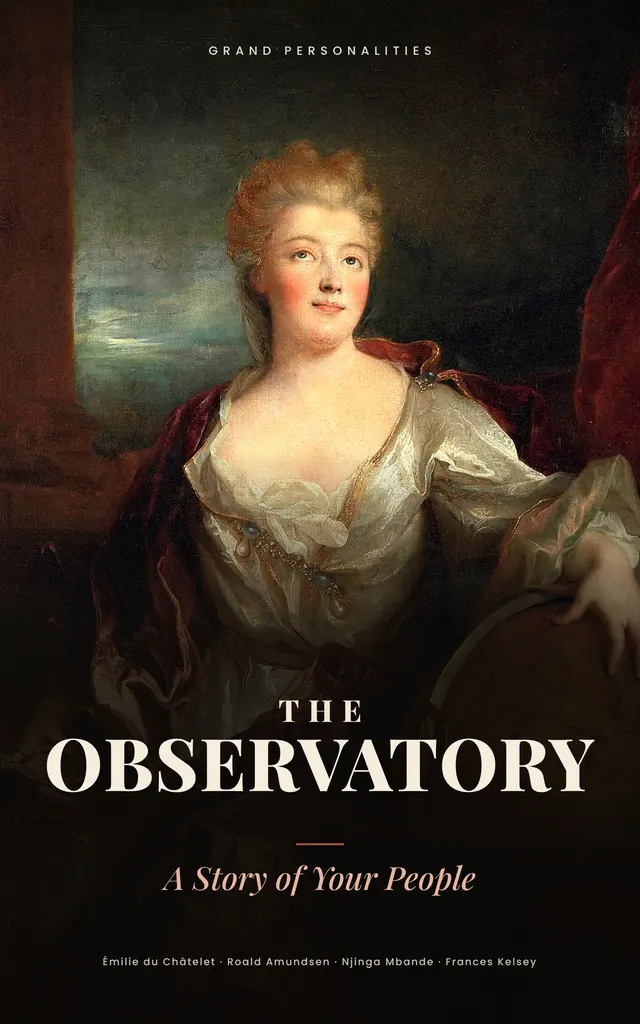
The book
The Observatory: A Story of Your People
His story and fourteen more, from an execution ground in Edo to a hut on the Antarctic ice, grouped by the situations every Observatory runs into: work, love, friendship, money, the body, purpose and power.
More famous Observatories

Questions people ask
What personality type was Vauban?
His life fits the Observatory, one of the houses at Grand Personalities: someone who builds the whole model before speaking, then defends it like it cost him something. It did. Closest four-letter code: INTJ.
What was Vauban's Dîme royale?
The Projet d'une dixme royale was his plan to replace France's many unequal taxes with a single proportional tax paid by everyone, nobles and clergy included. He had it printed without permission, and in 1707 the king's council condemned it and ordered the copies seized.
How did Vauban die?
He died in Paris on 30 March 1707, aged 73, of an inflammation of the lungs after years of chest trouble. He fell ill within weeks of his tax book being condemned and hunted by the police.
Portrait: Studio of Hyacinthe Rigaud, 17th century · Public domain · Source
