Famous Observatories
Hetty Greenthe ObservatoryINTJ
Massachusetts and New York, 1834–1916 · investor, lender, heiress
The story
The only one with cash
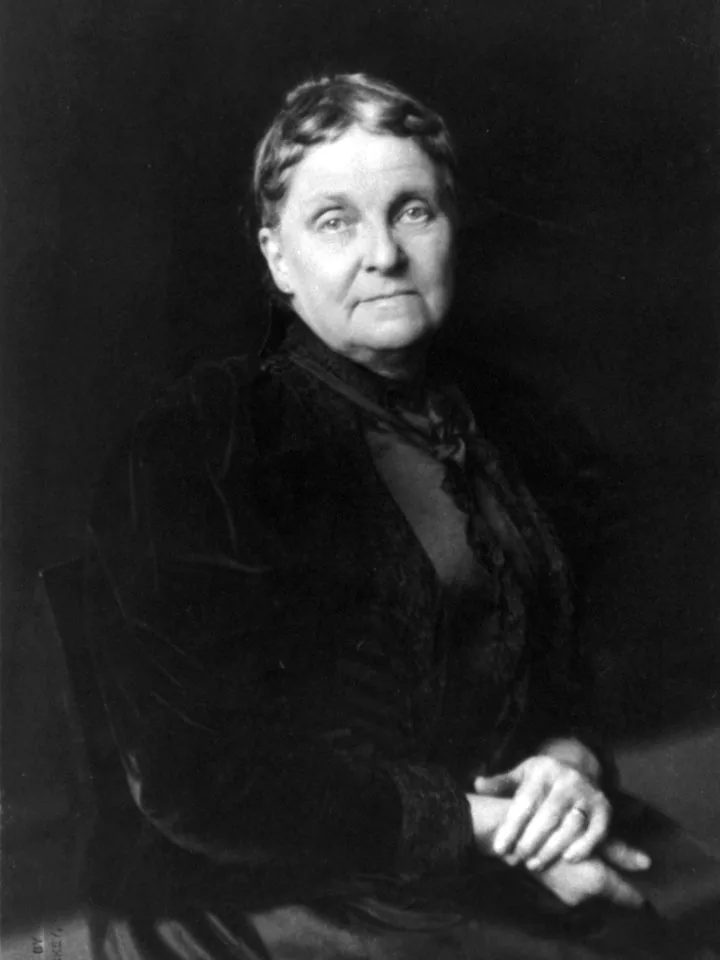
In October 1907, panic ran through the banks of New York. Hetty Green was 72, and she had the one thing the city's great financiers suddenly lacked: cash. She lent New York City $1.1 million and took short-term city bonds in return. By one account, she was the only woman invited when J. P. Morgan gathered the bankers to stop the run.
The papers had mocked her for years as a miser. They called her the Witch of Wall Street, for her plain black dresses and her vast fortune. That autumn, the habits they laughed at were exactly what the city needed.
Her method was simple to say and hard to live by. “When I see a good thing going cheap because nobody wants it, I buy a lot of it and tuck it away,” she once explained. She bought railroad stock and mortgage bonds when frightened people sold them, kept cash while others borrowed, and held on.
That is the Observatory instinct applied to money. Ignore the crowd, trust the arithmetic, and wait. She did it alone for half a century and became the richest woman in America.
The same instinct had once cost her badly. She was born in New Bedford, Massachusetts, in 1834, into a whaling fortune. When her aunt Sylvia Ann Howland died in 1865, about half of an estate worth some $2 million was put in trust for Hetty. She could have the income, but never the money itself.
She would not accept that. She produced an earlier will with an extra page attached, written in her own hand and bearing her aunt's signature, which canceled any later will. The executor called it a forgery, and she went to court.
A Harvard mathematician, Benjamin Peirce, compared the signature with a genuine one. All thirty downstrokes matched. Real signatures vary, and he put the chance of that happening naturally at one in 2,666 million million million. The tool Observatories trust most, a cold calculation, had been turned on her.
In 1868 the court ruled against her without ever deciding whether the page was forged. She lost, and the doubt followed her for life.
Her distrust reached home too. Her son Ned hurt his leg as a boy, and years later it was amputated. The story spread that she had been too mean to pay a proper doctor. The truth is murkier. She did take him to a charity clinic in old clothes, but by one account she also went from doctor to doctor, looking for one who thought the leg could be saved. She opposed his marrying, and he married only after she died.
She once described what it was like to be read from the outside.
“My life is written for me down in Wall Street by people who, I assume, do not care to know one iota of the real Hetty Green.”
In the same breath she called herself Madame Ishmael, set against every man. She took no partners and risked nobody else's money. Every decision was hers, and so was every loss.
She died in New York on 3 July 1916, at 81, after a series of strokes.
In 1907 the city needed someone who trusted nobody. Her family needed something else.
The Observatory pattern in her life
- Trusts the arithmetic, not the crowd
- She bought what frightened people sold, and had cash to lend when the 1907 panic came.
- Goes her own way, alone
- For half a century she took no partners and risked nobody else's money.
- Distrust that reaches too far
- The caution that guarded her fortune also set her against her son's marrying.
The Observatory: You build the whole model before you speak, then defend it like it cost you something. It did.
Are you an Observatory too?
Free, no email needed. Find out which house is yours.
Take the free test
The book
The Observatory: A Story of Your People
Her story and fourteen more, from an execution ground in Edo to a hut on the Antarctic ice, grouped by the situations every Observatory runs into: work, love, friendship, money, the body, purpose and power.
More famous Observatories

Questions people ask
What personality type was Hetty Green?
Her life fits the Observatory, one of the houses at Grand Personalities: someone who builds the whole model before speaking, then defends it like it cost her something. It did. Closest four-letter code: INTJ.
How did Hetty Green make her money?
She bought railroad stock, mortgage bonds and property when they were cheap and unpopular, kept large cash reserves and held for the long term. In the panic of 1907 that cash let her lend New York City $1.1 million.
Did Hetty Green really let her son lose his leg to save money?
That story spread in the press and grew after her death. She did take her son Ned to a charity clinic in old clothes, but by one account she also went from doctor to doctor trying to save the leg.
Portrait: Hollinger & Rockey, 1897 · Public domain · Source
