The story
The letter he sent anyway
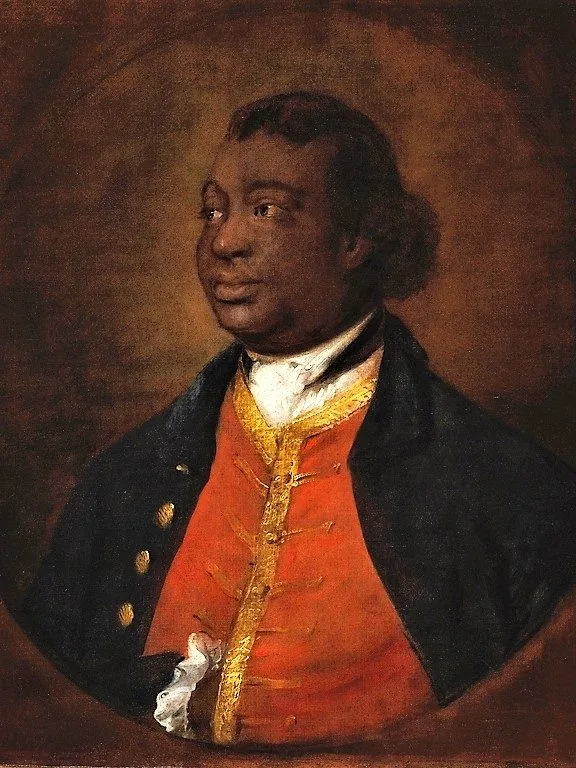
In October 1774, at about 45, Ignatius Sancho voted in a British general election. He had been born on a slave ship. He could vote because he kept a grocer's shop.
Under the rules of the day, a man who ran his own household in Westminster had a vote, and Sancho and his wife had opened their shop at 19 Charles Street that year. The boy born as property now voted as a man of property. He is often called Britain's first Black voter. One earlier Black voter, John London, is on record, but Sancho is among the very first known.
Born around 1729, he grew up in service in Greenwich. The Montagu family encouraged his reading and lent him books. He became a butler, a composer and, above all, a writer of letters, full of dashes, jokes and asides that read like talk.
In July 1766, at about 37 and still in service, he wrote to Laurence Sterne, the most famous novelist in England. He did not know Sterne. He wrote anyway, asking him to turn his pen against slavery.
Consider slavery, he wrote, what it is, how bitter a draught, and how many millions are made to drink it. Then he made his pitch.
“That subject, handled in your striking manner, would ease the yoke (perhaps) of many—but if only of one—Gracious God!—what a feast to a benevolent heart!”
Listen to that little “(perhaps)”. He was asking a famous stranger to help millions, and in two syllables he admitted it might not work. Then he hoped anyway, all the way up to a feast.
On 27 July, Sterne wrote back from Yorkshire. The most celebrated author in the kingdom had answered a butler he had never met. Their letters were printed in 1775 and became a standard text against the slave trade.
Sterne answered warmly, then did little more. Arenas know this ending well. You find the person with power, make the case beautifully, and they agree with you and return to their own work. Sancho had still done the rare part. Plenty of people draft the letter to the famous stranger. He sent it.
Money came less easily to him than words. By one unfriendly account, a legacy from his late employer went as fast as it arrived. The shop was different. A grocer's is small sales, day after day, written in a ledger, and he and his wife ran it together. In his letters he joked that she groaned with rheumatism while he grunted with gout, the two of them a concert.
That steady, unglamorous trade gave him what no patron ever had: a household of his own, a living that hung on nobody's goodwill, and the vote.
In June 1780 the Gordon Riots surged down his street. That autumn, ill and swollen with gout, he voted again. He died on 14 December 1780, at about 51.
Two years later, the friends who had kept his letters published them as a book. He had spent his wit freely all his life. They gave it back with his name on the cover.
The Arena pattern in his life
- Writes to anyone, unasked
- A butler with no introduction, he wrote to England's most famous novelist and got an answer.
- Argues with wit and hope
- His plea against slavery hedged with a wry “(perhaps)”, then climbed to “Gracious God!”
- Jokes before he complains
- Ill with gout beside a wife with rheumatism, he wrote it up as a comic concert.
The Arena: You argue to find out. Ten ideas an hour, and you were never attacking the person.
Are you an Arena too?
Free, no email needed. Find out which house is yours.
Take the free test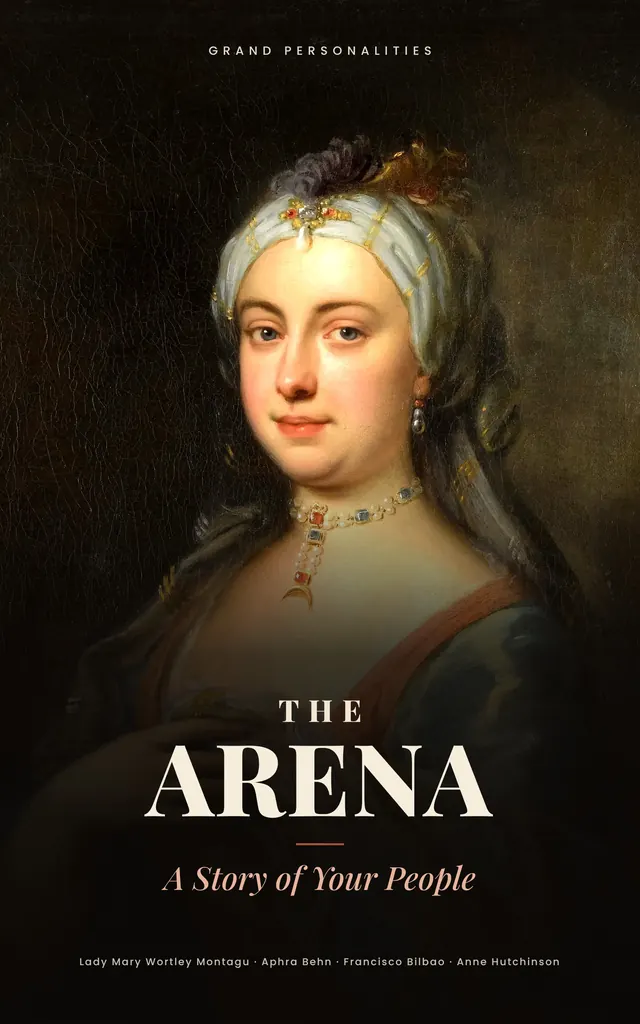
The book
The Arena: A Story of Your People
His story and thirteen more, from an empress's household in Kyoto around the year 1000 to a tavern in Prague in 1911, grouped by the situations every Arena runs into: work, love, friendship, money, the body, purpose and power.
More famous Arenas
Questions people ask
What personality type was Ignatius Sancho?
His life fits the Arena, one of the houses at Grand Personalities: someone who argues to find out, throws out ten ideas an hour, and was never attacking the person. Closest four-letter code: ENTP.
Was Ignatius Sancho the first Black person to vote in Britain?
He is often called that, and he did vote in Westminster in 1774 and 1780 as a householder with a shop. At least one earlier Black voter, John London, is on record, so Sancho is among the first known.
What did Ignatius Sancho write to Laurence Sterne?
In July 1766 he asked Sterne to turn his famous style against slavery, arguing that it might ease the burden of many people, and that easing even one would be worth it. Sterne replied warmly on 27 July 1766, and their letters were published in 1775.
Portrait: Thomas Gainsborough, 1768 · Public domain · Source
