Famous Labyrinths
John Flamsteedthe LabyrinthINTP
England, 1646–1719 · Astronomer Royal, clergyman, star cataloger

The story
A great kindness
In 1716, at 69, John Flamsteed, England's Astronomer Royal, set fire at Greenwich to 300 copies of his own life's work.
He did not burn everything. From each copy he first took out the pages that held his own observations, the measurements he had made himself, at his own instruments, over decades. Those he kept. The rest, which other men had edited and rushed into print against his will, went into the fire.
He had been the first Astronomer Royal since 1675. Born on 19 August 1646 in Denby, near Derby, the son of a maltster, he was a hands-on astronomer who built and mended his own instruments. His job was to fix the positions of the stars, and he took it with total seriousness.
For decades he refused to release star positions he had not yet checked to his own standard. There was always another observation to compare, another error to hunt down.
Labyrinths know how that feels from inside. An error caught in private is a correction. An error in print is permanent, copied and built on by strangers. Holding the work back one more year feels like integrity.
From outside, it looked like hoarding. Isaac Newton, president of the Royal Society, needed Flamsteed's observations for his own work, and he pushed for them to be published at once. In 1704 Prince George of Denmark agreed to pay for the printing. By one account, Flamsteed handed over his unfinished catalog under seal, to stay closed until he was ready. It was opened anyway.
In 1712 Newton and Edmond Halley brought out 400 copies of the Historia Coelestis, the history of the heavens, with Halley as editor. The great work of Flamsteed's life was in print, under his name, in a form he had not approved, shaped by a man he could not stand.
Then the politics turned. After Queen Anne died in 1714, Flamsteed got the remaining copies handed back to him: 300 of the 400. He sorted them, kept his observations, and burned the rest. Afterward he wrote to his friend Abraham Sharp.
“If Sir I.N. would be sensible of it, I have done both him and Dr. Halley a great kindness.”
It was a dry joke with a real belief inside it. A faulty catalog was better burned than left in the world with his name on it, and theirs.
But he could not burn the other hundred. They were already out in the world, and the version he hated outlived him. He died on 31 December 1719, his own catalog still unfinished.
It appeared at last in 1725 as the Historia Coelestis Britannica, with nearly 3,000 stars placed more accurately than anyone had managed before. His widow, Margaret, saw it through, with help from his assistants.
He would not let his work go until it was perfect. In the end other people let it go for him twice: once against his will, and once, with love, after he was gone.
The Labyrinth pattern in his life
- Won't release unfinished work
- For decades he held back star positions he had not yet checked to his own standard.
- Trusts only his own measurements
- Before burning the copies, he took out and kept the pages of observations he had made himself.
- Defends accuracy at any cost
- He burned 300 copies of his own work rather than let a version he had not approved stand under his name.
The Labyrinth: You take the idea apart because loving it isn’t the same as it being true.
Are you a Labyrinth too?
Free, no email needed. Find out which house is yours.
Take the free test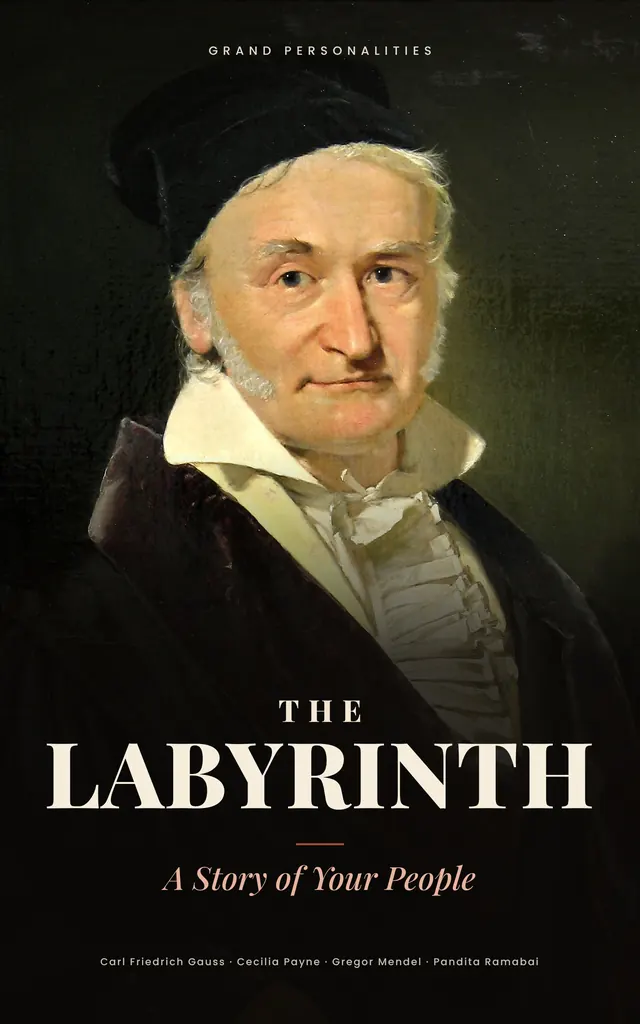
The book
The Labyrinth: A Story of Your People
His story and fourteen more, from a cave by an Ethiopian river to a monastery in Moravia and a radio laboratory in Sydney, grouped by the situations every Labyrinth runs into: work, love, friendship, money, the body, purpose and power.
More famous Labyrinths

Questions people ask
What personality type was John Flamsteed?
His life fits the Labyrinth, one of the houses at Grand Personalities: someone who takes the idea apart, because loving it isn't the same as it being true. Closest four-letter code: INTP.
Why did John Flamsteed burn his star catalog?
In 1712 Newton and Halley printed his unfinished catalog without his consent, with Halley as editor. When Flamsteed got 300 of the 400 copies back, he kept the pages of his own observations and burned the rest.
Why did John Flamsteed fall out with Isaac Newton?
Newton needed Flamsteed's observations and pushed, through the Royal Society, to have them published before Flamsteed thought they were ready. Flamsteed never forgave the 1712 edition that Newton and Halley produced.
Shown: the Labyrinth house art.