Famous Lighthouses
Lady Hyegyeongthe LighthouseINFJ
Korea, 1735–1816 · crown princess, mother, memoirist

The story
The witness who waited
On 4 July 1762, at Changgyeong Palace in Hanyang, the city now called Seoul, King Yeongjo ordered his son, the crown prince, into a rice chest. The prince's wife, Lady Hyegyeong, was 26.
Her first impulse was to die with him. She tried to take her own life that day, and the people around her stopped her.
Then she thought of her son. The heir to the throne was nine, ten by the Korean count. If she died, she later asked, who would protect him and see him grown?
She was born on 6 August 1735, the daughter of Hong Bong-han, a scholar who would rise to high office. In 1744 she was married into the royal house. She and the prince were both nine. By the time they were grown, he had become violent and dangerous. She told his mother what she saw and asked her to keep it secret. Their son, Yi San, was born in 1752, when she was 17.
In the summer of 1762 the prince's own mother, fearing for her grandchildren, begged the king to act.
The chest was chosen with care. An execution would have made the prince a criminal, and a criminal's wife and son could share his guilt. A death in a sealed chest was not, formally, an execution. It left the woman who had just chosen to live, and the boy she was living for, untouched.
She took the children to her father's house. The prince was found dead on the eighth day, 12 July 1762. He was 27. His father gave him the name by which history knows him, Sado, a name of mourning.
Then she stayed. For the next fourteen years, the king who had ordered the chest held her son's future in his hands, so she showed him no anger. Her father stayed at court too.
“Like me, [my father's] only thought and concern was to protect the Grand Heir, and so, for the sake of the nation, he controlled his sorrow and did not retire from office.”
Lighthouses will know that posture. The family is in danger, so you hold still, and you hold still so well that people forget you are holding anything at all.
It worked. In 1776 her son became King Jeongjo. Still she said nothing in public, while rumors about her family's part in the prince's death went round the court for decades.
In 1795, the year she turned 60, she began to write, in the Korean hangul script. Her son died in 1800. The full account of the prince's death came last, in 1805, written for her grandson, King Sunjo, and for everyone else. False versions were being told, and if she did not set it down, nobody would.
She held both loyalties in the same pages. She was deeply indebted to the king who had sealed her husband in the chest, and her devotion to her husband reached as high as the Heavens. She meant both, and never let one cancel the other.
She died on 13 January 1816, at 80. She is often remembered as the widow who survived. She was also the witness who waited forty-three years, until the truth could no longer hurt the child she had lived for.
The Lighthouse pattern in her life
- Lives for someone else's future
- She chose to live because her nine-year-old son needed someone to see him grown.
- Keeps a composed public face
- For fourteen years she showed no anger toward the king who had ordered the chest.
- Sets the full truth down
- Forty-three years later, she wrote her own account to answer the false versions.
The Lighthouse: Quiet, certain, and already three moves into a future you can feel but can’t prove yet.
Are you a Lighthouse too?
Free, no email needed. Find out which house is yours.
Take the free test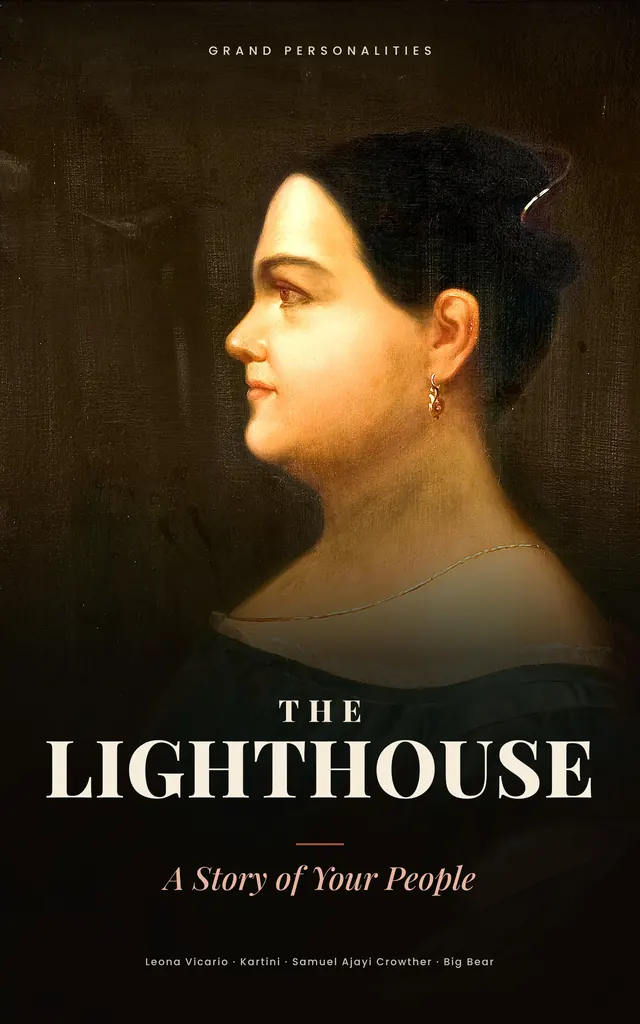
The book
The Lighthouse: A Story of Your People
Her story and fourteen more, from the court of a Han dynasty emperor to a government office in Ottawa, grouped by the situations every Lighthouse runs into: work, love, friendship, money, the body, purpose and power.
More famous Lighthouses
Questions people ask
What personality type was Lady Hyegyeong?
Her life fits the Lighthouse, one of the houses at Grand Personalities: someone quiet and certain, already three moves into a future she can feel but can't prove yet. Closest four-letter code: INFJ.
What happened to Lady Hyegyeong's husband?
In July 1762 King Yeongjo had his son, Crown Prince Sado, sealed in a rice chest at Changgyeong Palace, and the prince was found dead eight days later, on 12 July. Lady Hyegyeong survived to protect their son, the future King Jeongjo.
What are the Memoirs of Lady Hyegyeong?
Known in Korean as the Hanjungnok, they are four memoirs she wrote in hangul between 1795 and 1805. The last gives her own account of Prince Sado's death, and they remain the main witness to what happened.
No free-to-use portrait of Lady Hyegyeong is available. Shown: the Lighthouse house art.