Famous Wildfires
Margery Kempethe WildfireENFP
England, c. 1373–after 1438 · brewer, pilgrim, autobiographer
The story
Conversation and good words
In the autumn of 1417, in the Archbishop of York's chapel, a woman of about 44 was told to lay her hand on a book and swear. She was to leave his diocese, and stop teaching his people.
Margery Kempe answered in the English of her day: “Nay, syr, I schal not sweryn.” She would speak of God, she told him, and rebuke anyone she heard swearing great oaths, wherever she went.
To the men in that room she was a problem in plain sight. She was the daughter of a former mayor of Lynn in Norfolk and the mother of fourteen children, traveling the roads without her husband. She wept loudly in church. She talked about God to anyone who would listen. She had no license to preach and no religious order behind her.
She had not started out holy. Around the age of 30, by her own account, she took up brewing “for pure coveytyse” and to keep up her pride, and for three or four years she was one of the biggest brewers in town. Then the ale began to fail, batch after batch, until her servants were ashamed to stay. She tried a horse mill, and the horse would not pull. People said she was cursed.
Wildfires will know that shape: the venture launched on how good it was going to be, with the skill to be picked up on the way. She read the failures as a sign. She turned to prayer, and poured all that energy into the one thing she truly believed in.
That was what had brought her to York. One of the archbishop's clerks produced a book and quoted St Paul at her: no woman should preach.
“I preche not, ser, I come in no pulpytt. I use but comownycacyon and good wordys, and that wil I do whil I leve.”
Conversation and good words, for as long as she lived. It is about as close to a creed as Wildfires come.
A few weeks earlier, the same habit had got her arrested in Leicester. The mayor called her a false Lollard and ordered her to prison. There was nowhere to hold her except among the men, so the jailer took her into his own house. In the church of All Saints the abbot and the dean questioned her, and found she answered well. The mayor still would not let her leave without a letter from the bishop of Lincoln. So she went and got one.
That was her move. She never asked anyone's permission to speak of God. She took the paper that told the next mayor to let her pass, and kept her voice exactly as it was.
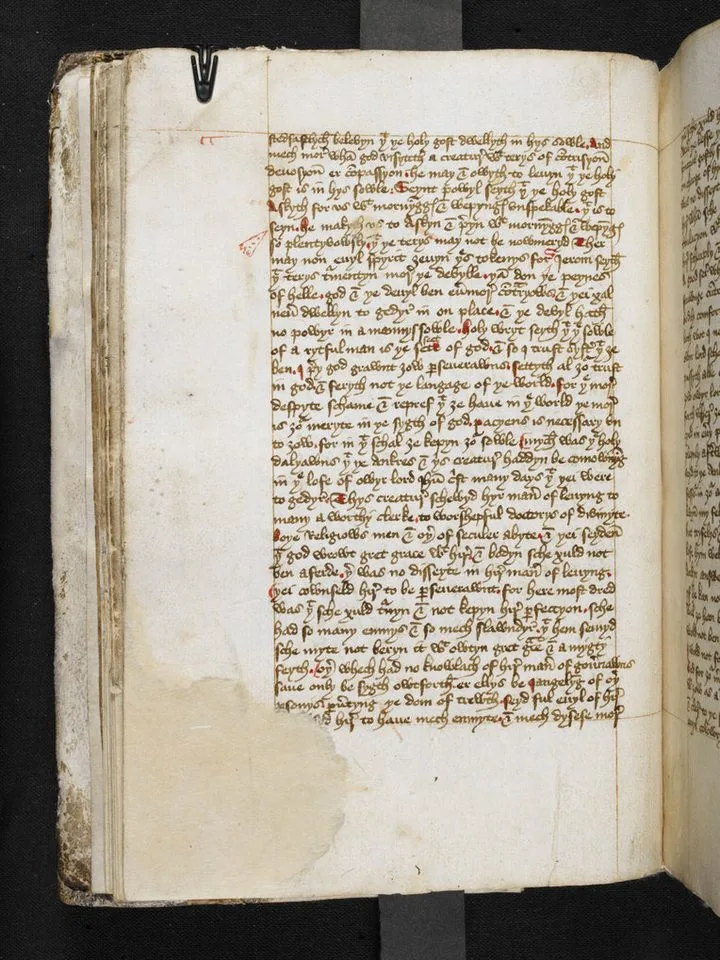
In her sixties she did the thing that made her last. From 1436 to 1438 she dictated her life to scribes, calling herself “this creature” and leaving in the pride, the ruined ale, the weeping and the archbishop.
The full text was lost for centuries. The only manuscript turned up in 1934, in an English family's library, and it is often called the first autobiography in English. The brewer who could not keep her servants never stopped talking, and the talking has outlasted everyone who tried to stop it.
The Wildfire pattern in her life
- Says it out loud, to anyone
- She talked about God to anyone who would listen, on every road she walked.
- Starts before the plan is ready
- She went into brewing to keep up her pride and, by her own account, with no experience of it.
- Keeps the voice, takes the license
- She refused the archbishop's oath but took the bishop of Lincoln's letter, so the next mayor would let her pass.
The Wildfire: Fast, warm, everywhere at once. You start the thing and someone else usually files it.
Are you a Wildfire too?
Free, no email needed. Find out which house is yours.
Take the free test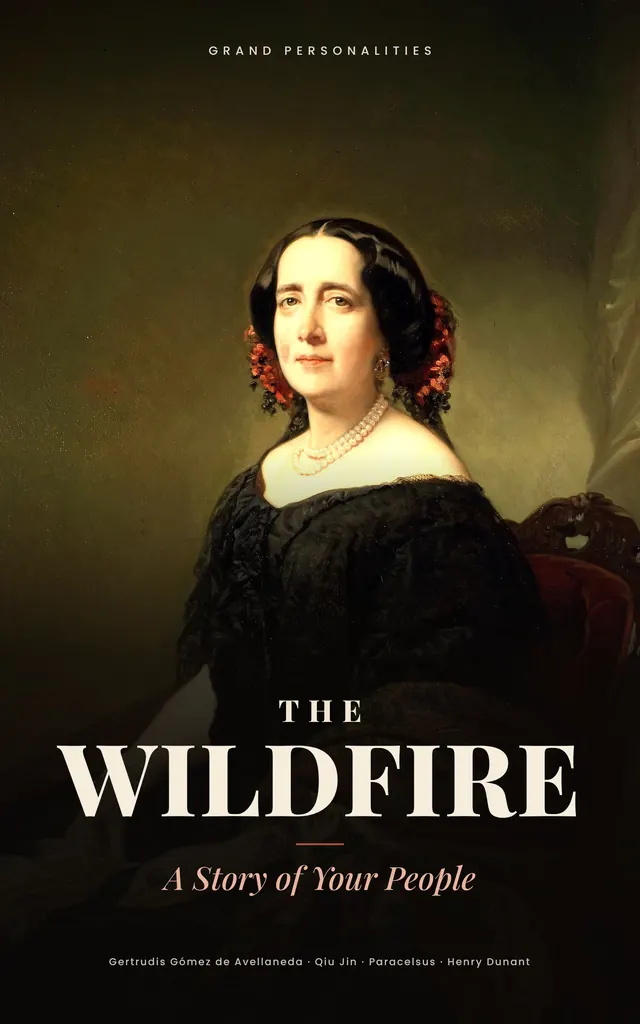
The book
The Wildfire: A Story of Your People
Her story and fourteen more, from a brewery in medieval Norfolk to a beach in New Guinea, grouped by the situations every Wildfire runs into: power, work, love, friendship, money, the body and purpose.
More famous Wildfires
Questions people ask
What personality type was Margery Kempe?
Her life fits the Wildfire, one of the houses at Grand Personalities: someone fast, warm and everywhere at once, who starts the thing and usually leaves someone else to file it. Closest four-letter code: ENFP.
Why was Margery Kempe arrested?
In 1417 the mayor of Leicester had her held on suspicion of Lollardy, the heresy of the day, because she traveled without her husband, wept loudly and talked about God to anyone. Churchmen examined her and found she answered well, and a letter from the bishop of Lincoln let her go on her way.
Is The Book of Margery Kempe the first autobiography in English?
It is often called that. She dictated it to scribes between 1436 and 1438, and the only full manuscript came to light in 1934.
Portrait: Manuscript of The Book of Margery Kempe · Public domain · Source
