Famous Wildfires
Paracelsusthe WildfireENFP
Basel and Salzburg, c. 1493–1541 · physician, lecturer, rebel
The story
Up in the air with the smoke
On St John's Eve in June 1527, while the students of Basel kept their midsummer fire, their new lecturer in medicine threw in the textbook they had been taught to revere. He was about 33.
His name was Theophrastus von Hohenheim. The world knows him as Paracelsus. He never said which book it was. He called it the summa, the sum of all the books. By one account it was the great medical canon of Avicenna, the work every university doctor trained on.
He had come to Basel because of a cure. He treated the famous printer Johann Froben, Froben got better, and the city made Paracelsus its physician, with the right to lecture at the university. He arrived with one powerful friend and a head full of ideas the faculty did not share.
On 5 June 1527 he posted a notice of his lectures. It invited the students, and anyone else who cared to come. Then he taught in German as well as Latin, in a world where medicine lived in a language most patients could not speak.
That is the Wildfire instinct at its purest: find something precious kept behind a wall, and hand it to everyone. The doctor who explains a diagnosis in plain words is doing the same thing today.
Three weeks later came the fire. He later described it in one breathless line.
“I threw the summa of books into the fire of St John, so that all misery might go up into the air with the smoke.”
Read it as the cry it was. He believed the medicine of his day was making sick people suffer, and he wanted the suffering burned away. Wildfires get angriest when a value is crossed, and the anger is usually on someone else's behalf.
Basel's physicians and apothecaries saw an outsider who had insulted their teachers, their Latin and their living in one evening. A satire went round calling him Cacophrastus. Then, in the autumn, Froben died, and Paracelsus lost his only shield. In February 1528 he left the city in a hurry, about eight months after that first notice. He never held a public chair again.
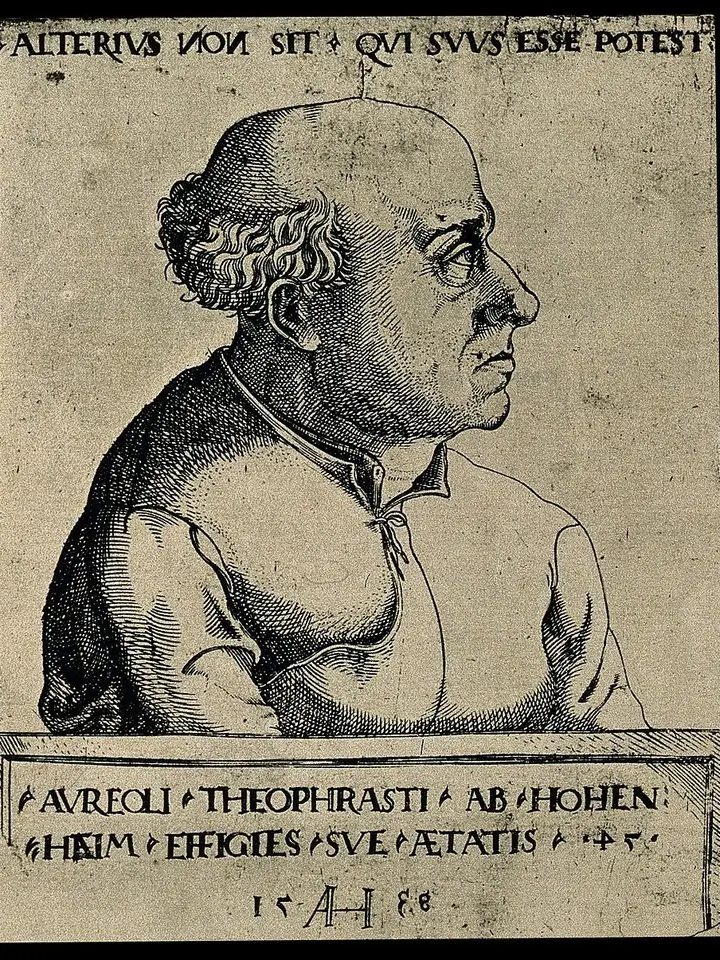
He spent the rest of his life on the road, writing, arguing and treating whoever would have him. A portrait of 1538 carried his Latin motto: Alterius non sit, qui suus esse potest. Let no one belong to another who can belong to himself.
In September 1541 he was in Salzburg. On the 21st, in a room at the White Horse inn on the Kaigasse, he dictated his will. He was about 47. He provided for relatives and friends, and left the rest to the city's poor.
He died three days later and was buried, as he had asked, in the paupers' cemetery of St Sebastian. The fire in Basel is the part people remember. The will is the part that reached the poor.
The Wildfire pattern in his life
- Throws the doors open to everyone
- His lecture notice invited anyone who cared to come, and he taught medicine in German as well as Latin.
- Burns hot on others' behalf
- He threw the textbook into the fire so that “all misery” might go up with the smoke.
- Won't belong to anyone's system
- His motto: let no one belong to another who can belong to himself.
The Wildfire: Fast, warm, everywhere at once. You start the thing and someone else usually files it.
Are you a Wildfire too?
Free, no email needed. Find out which house is yours.
Take the free test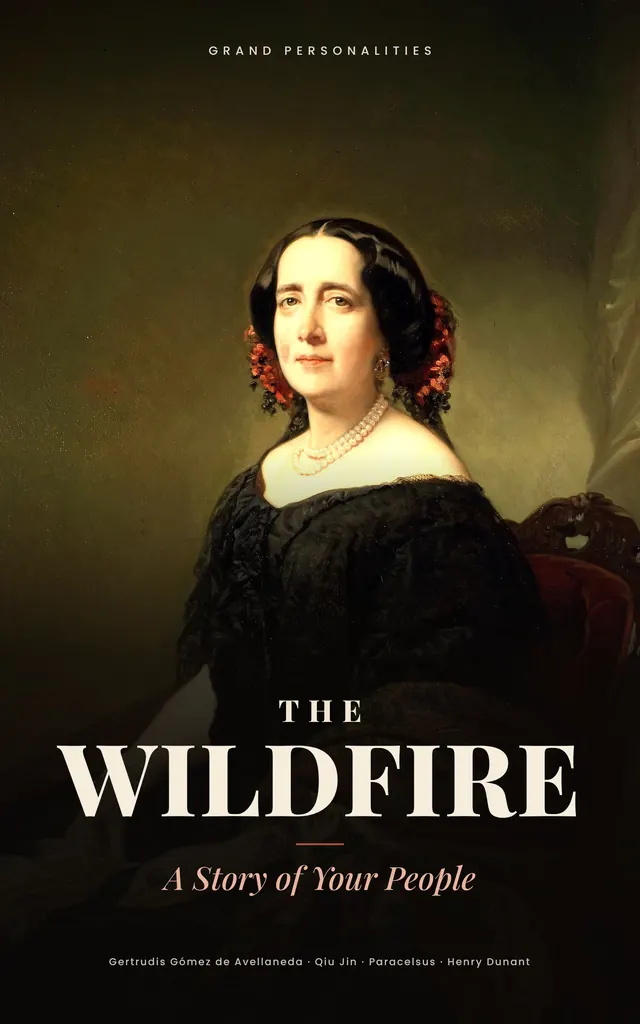
The book
The Wildfire: A Story of Your People
His story and fourteen more, from a brewery in medieval Norfolk to a beach in New Guinea, grouped by the situations every Wildfire runs into: power, work, love, friendship, money, the body and purpose.
More famous Wildfires
Questions people ask
What personality type was Paracelsus?
His life fits the Wildfire, one of the houses at Grand Personalities: someone fast, warm and everywhere at once, who starts the thing and usually leaves someone else to file it. Closest four-letter code: ENFP.
Did Paracelsus burn Avicenna's books?
On St John's Eve in June 1527 he threw a standard medical text into the students' midsummer fire in Basel. He called it “the summa of books”; by one account it was Avicenna's great medical canon.
Who did Paracelsus leave his money to?
In the will he dictated in Salzburg on 21 September 1541, he provided for relatives and friends and left the rest to the city's poor. He died three days later and was buried in the paupers' cemetery of St Sebastian.
Portrait: Wellcome Collection · CC BY 4.0 · Source
