
The story
Her husband's judgment
In the autumn of 1856, near Cape Horn, 19-year-old Mary Patten became the only person aboard the Neptune's Car who could tell where the ship was. She was also pregnant.
The Neptune's Car was a clipper, built for speed, racing other ships from New York to San Francisco with a valuable cargo. Her captain was Mary's husband, Joshua Patten. She had married him in Boston at 15, on 1 April 1853, days before her sixteenth birthday.
On an earlier voyage with him, she had studied navigation to pass the time: taking sights, reading the chronometer, working out the ship's position and laying a course. Nobody expected her to need it.
This time things went wrong early. Joshua caught the first mate asleep on watch and keeping the sails shortened, throwing away time in a race. He confined the man and took on the mate's work as well as his own. Near Cape Horn, worn out, he collapsed and could no longer command.
The second mate could sail the ship but could not navigate it. The first mate was confined below. That left Mary.
She took over. Every day she took observations, worked out their position and set the course, and between readings she nursed her husband. Bridges step into the empty chair without waiting to be asked. The harder part came next.
The first mate wrote to her, offering to take charge. Under the usual rules of the sea, command passed to him. She was a teenager. He was a professional seaman.
She wrote back no. Her husband had judged him unfit to be mate, she said, so he could hardly be fit to be captain. She made no claim to the ship for herself. She held to the last decision her husband had made and refused to let the handover go wrong.
Stung, the mate tried to turn the crew against her and get the ship into Valparaíso instead of San Francisco. She called the men aft and asked them plainly to back her. They had watched her work for days. Every one of them did.
In November, more than four months out of New York, she brought the Neptune's Car into San Francisco. She had been in charge for nearly two months, and for fifty days of it she never changed her clothes.
The underwriters whose cargo she had saved gave her $1,000. When people praised her, she played it down.
“only the plain duty of a wife towards a good husband”
As Bridges often do, she had held the office for its owner, as if he might yet take it back. He never could. Their son was born on 10 March 1857. Joshua died that July, at 30, and Mary was a widow at 20.
She died of tuberculosis in March 1861, at 23. She never held the title of captain. For fifty days at the bottom of the world, she did the job without it.
The Bridge pattern in her life
- Steps in when command breaks
- With the captain down and the mate confined, she navigated the clipper round Cape Horn herself.
- Holds the line on who leads
- She refused the first mate's offer to take charge, because her husband had judged him unfit.
- Asks for backing plainly
- When the mate worked on the crew, she called the men aft and asked them to stand by her.
The Bridge: You see the end state, name the order of operations, and start moving people toward it.
Are you a Bridge too?
Free, no email needed. Find out which house is yours.
Take the free test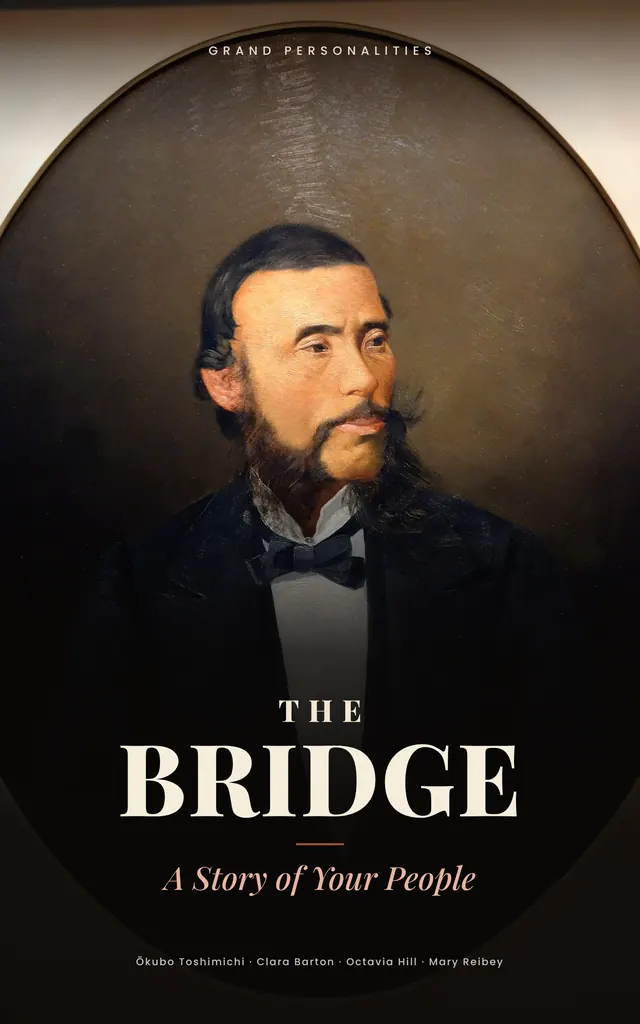
The book
The Bridge: A Story of Your People
Her story and thirteen more, from a village in the viceroyalty of Peru in 1780 to a Los Angeles inquest room in 1928, grouped by the situations every Bridge runs into: work, love, friendship, money, the body, purpose and power.
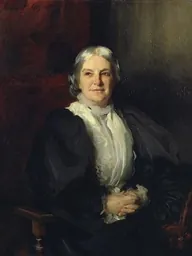
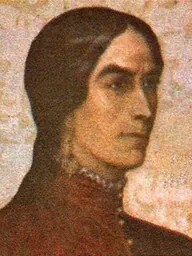
More famous Bridges
Questions people ask
What personality type was Mary Patten?
Her life fits the Bridge, one of the houses at Grand Personalities: someone who sees the end state, names the order of operations and starts moving people toward it. Closest four-letter code: ENTJ.
What did Mary Patten do?
In 1856, at 19 and pregnant, she navigated the clipper Neptune's Car round Cape Horn to San Francisco after her husband, the captain, collapsed. She nursed him at the same time and faced down a first mate who tried to turn the crew against her.
What happened to Mary Patten after the voyage?
Her son was born on 10 March 1857 and her husband died that July. She died of tuberculosis in Boston on 17 March 1861, aged 23.
Shown: the Bridge house art.