
The story
The lance and the horse
In the spring of 1807, near Guttstadt in East Prussia, a beardless young Russian lancer called Sokolov saw a group of enemy dragoons knock a Russian officer off his horse with a pistol shot. As he lay on the ground, they closed in to cut him down.
Sokolov charged at once, alone, lance lowered.
Sokolov was Nadezhda Durova, 23, a woman serving in disguise in a cavalry regiment, the Polish Horse, in the war against Napoleon.
She was born in 1783 into a family of minor gentry and grew up around her father's regiment. At 18 she married, and a year later she had a son. In September 1806 she left them both, put on a Cossack's uniform and rode off to enlist. It is not a choice anyone can fairly judge from two centuries away, and it cost others. It was hers.
“The saddle was my first cradle.”
One rider with a lance had no business scattering a group of armed horsemen. They broke and fled anyway. Writing about it later, she guessed that the sheer harebrained daring of it was what frightened them off.
That is a very Forge account of courage. She claims no plan. In the moment it hardly felt like a decision at all. Her body had read the situation and was moving before her mind could put it into words.
Then she did the thing that got her into trouble. The officer had lost his horse, so she gave him hers, and was left in the middle of a battle as a cavalry trooper with no mount.
A superior scolded her for it afterward, and she put the scolding in her memoir too. A trooper on foot is no use to anyone, and he was not wrong. But if the charge was nerve, giving away the horse was care of the most practical kind. People tend to see the rashness in Forges and miss the kindness inside it.
The story traveled all the way to the top. That winter Tsar Alexander I received her in person and gave her the soldier's Cross of St George for saving a wounded officer. He let her go on serving, as an officer in the hussars, under a new name drawn from his own: Aleksandrov.
She fought on through the wars against Napoleon and left the army in 1816. In the quiet of a provincial town, with time on her hands, she turned her old journals into a book.
In 1836 the poet Alexander Pushkin printed part of it in his magazine, and the same year the whole appeared as The Cavalry Maiden. The trooper nobody had noticed was in print, with Pushkin's name beside hers.
She lived thirty more years, still dressed as a man and signing her letters Aleksandrov. She died at Yelabuga in 1866, at 82. The rider who charged the dragoons on instinct kept the name an emperor had given her to the end.
The Forge pattern in her life
- Moves before the mind catches up
- The instant the officer fell, she charged a group of armed dragoons alone.
- Shows care through deeds
- She gave the rescued officer her own horse and took the scolding for it.
- Lives as who she chose
- She served for years as Sokolov, then Aleksandrov, and kept that name for the rest of her life.
The Forge: You move first, fix it live, and get bored of any meeting about the meeting.
Are you a Forge too?
Free, no email needed. Find out which house is yours.
Take the free test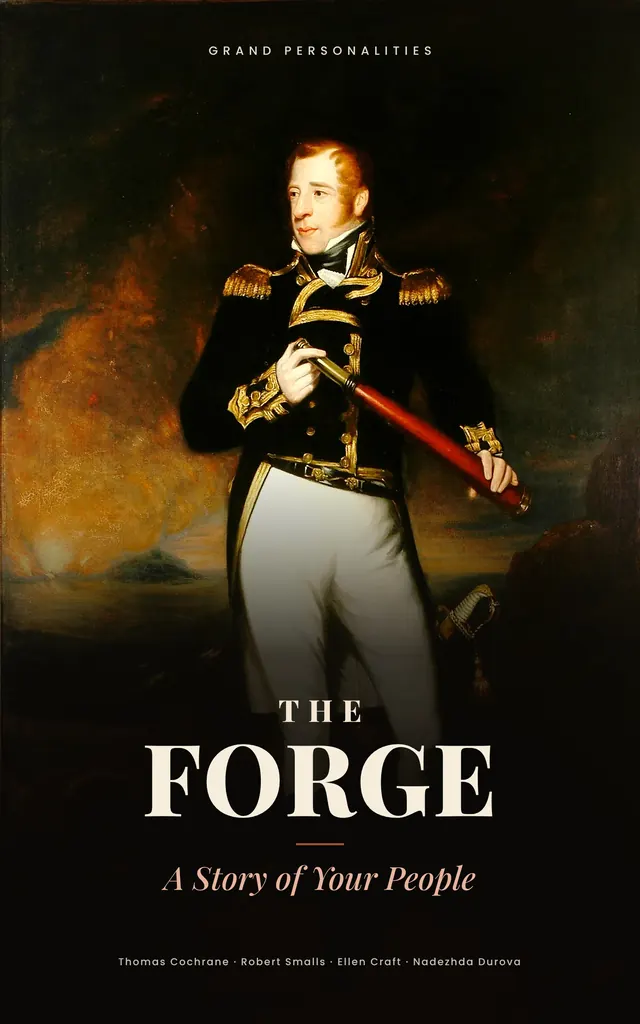
The book
The Forge: A Story of Your People
Her story and fourteen more, from a desert kingdom in the first century to a Gestapo office in the south of France in 1944, grouped by the situations every Forge runs into: work, love, friendship, money, the body, purpose and power.
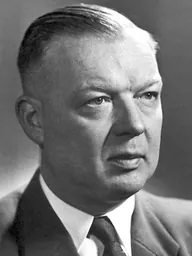
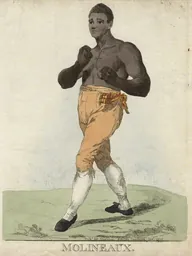
More famous Forges
Questions people ask
What personality type was Nadezhda Durova?
Her life fits the Forge, one of the houses at Grand Personalities: someone who moves first, fixes it live and gets bored of any meeting about the meeting. Closest four-letter code: ESTP.
Why did Nadezhda Durova receive the Cross of St George?
For saving a wounded Russian officer near Guttstadt in 1807: she charged the dragoons attacking him, then gave him her own horse. Tsar Alexander I gave her the soldier's cross in person.
Why did Nadezhda Durova disguise herself as a man?
To live the cavalry life she wanted, which was closed to women. She enlisted in 1806 as Sokolov, and once the Tsar learned the truth he let her keep serving under the name Aleksandrov.
Shown: the Forge house art.