Famous Lighthouses
Samuel Ajayi Crowtherthe LighthouseINFJ
Nigeria and Sierra Leone, c. 1809–1891 · bishop, missionary, linguist
The story
The bishop who stood up
In 1890, at Onitsha on the River Niger, Bishop Samuel Ajayi Crowther got to his feet at a meeting he was supposed to be chairing. He was about 81, and he was trembling.
It was the finance committee of the Niger Mission, the church he had spent most of his life building along the river. On one side sat young Europeans newly sent out by the Church Missionary Society, led by its secretary for the mission, F. N. Eden. On the other sat African clergy who had worked beside Crowther for decades. One of them, the Reverend Charles Paul, had given the mission 35 years.
Eden overruled the bishop as chairman and declared African pastors suspended. Two white clergymen and a white layman had just removed three African priests, in front of the African bishop who had ordained them.
Then they turned to his son. Archdeacon Dandeson Crowther had defended the accused men. The committee found that he had made inconsistent statements in their defense, declared him unworthy of his holy office, and suspended him on the spot.
The old man in the chair had once been a boy with no say over anything. Named Ajayi (often spelled Adjai), he was born around 1809 at Osogun, in Yorubaland. In 1821, at about 12, raiders seized him and sold him to Portuguese slave traders. In April 1822 a British warship, HMS Myrmidon, stopped the slave ship, and he was set free in Sierra Leone.
He made his life out of language, teaching and faith. He was the first student at Fourah Bay College in Freetown, wrote a grammar of Yoruba, and went up the Niger on the mission's expeditions. On 29 June 1864, at about 55, he was consecrated in Canterbury Cathedral, the first African bishop of the Anglican Church. Henry Venn, who led the Society, urged the missionaries to work with him like brothers.
For a quarter of a century he led the mission with endless patience. Critics called him too gentle with his clergy. He gave good faith to almost everyone, including people who had quietly stopped giving it back.
Lighthouses know that long middle well: the loyal years, the understanding offered freely, the reluctance to fight for themselves.
The newcomers called their work reform. It ended with an African-led church being taken apart by men who doubted that Africans should lead it.
“Bishop Crowther got up trembling to dissociate himself from the decision of the finance committee.”
He left the committee he was meant to preside over. He made no speech and did not try to win the argument. He simply made sure that no one could ever say the bishop had agreed.
He was never deposed. He remained bishop, though the committee was gone from his hands. In 1891 he suffered a stroke, and he died in Lagos on 31 December 1891, at about 82. The church along the river went on without him.
For half a century his calm had held the mission together. At Onitsha, staying calm in his chair would have counted as consent. So the most patient man in the room stood up.
The Lighthouse pattern in his life
- Keeps faith through long service
- He served the mission for half a century and led it as its bishop from 1864.
- Feels a wrong done to others
- What shook him was the suspension of priests he had ordained, his own son among them.
- Draws one quiet, unmovable line
- At about 81 he stood up and dissociated himself from his own committee's decision.
The Lighthouse: Quiet, certain, and already three moves into a future you can feel but can’t prove yet.
Are you a Lighthouse too?
Free, no email needed. Find out which house is yours.
Take the free test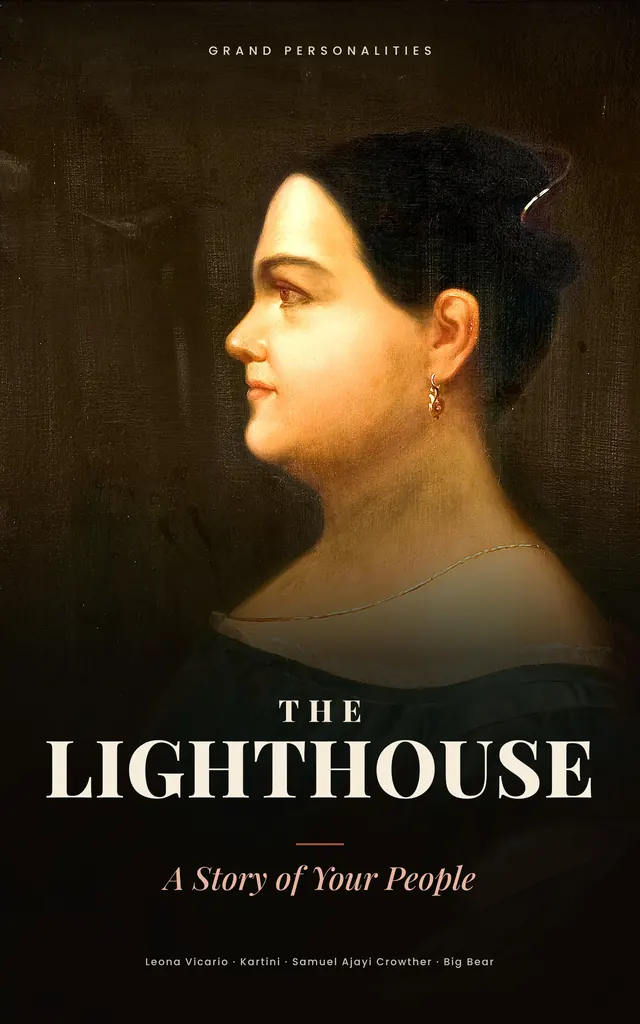
The book
The Lighthouse: A Story of Your People
His story and fourteen more, from the court of a Han dynasty emperor to a government office in Ottawa, grouped by the situations every Lighthouse runs into: work, love, friendship, money, the body, purpose and power.
More famous Lighthouses
Questions people ask
What personality type was Samuel Ajayi Crowther?
His life fits the Lighthouse, one of the houses at Grand Personalities: someone quiet and certain, already three moves into a future he can feel but can't prove yet. Closest four-letter code: INFJ.
Was Samuel Ajayi Crowther the first African bishop?
He was the first African bishop of the Anglican Church, consecrated in Canterbury Cathedral on 29 June 1864. Enslaved as a boy and freed in 1822, he went on to lead the Niger Mission and to work on Yoruba grammar and the Yoruba Bible.
What happened to Bishop Crowther in 1890?
At Onitsha, young European missionaries overruled him as chairman of the Niger Mission's finance committee and suspended African clergy he had ordained, including his son. He rose to dissociate himself from the decision and left the committee, but remained bishop until his death in 1891.
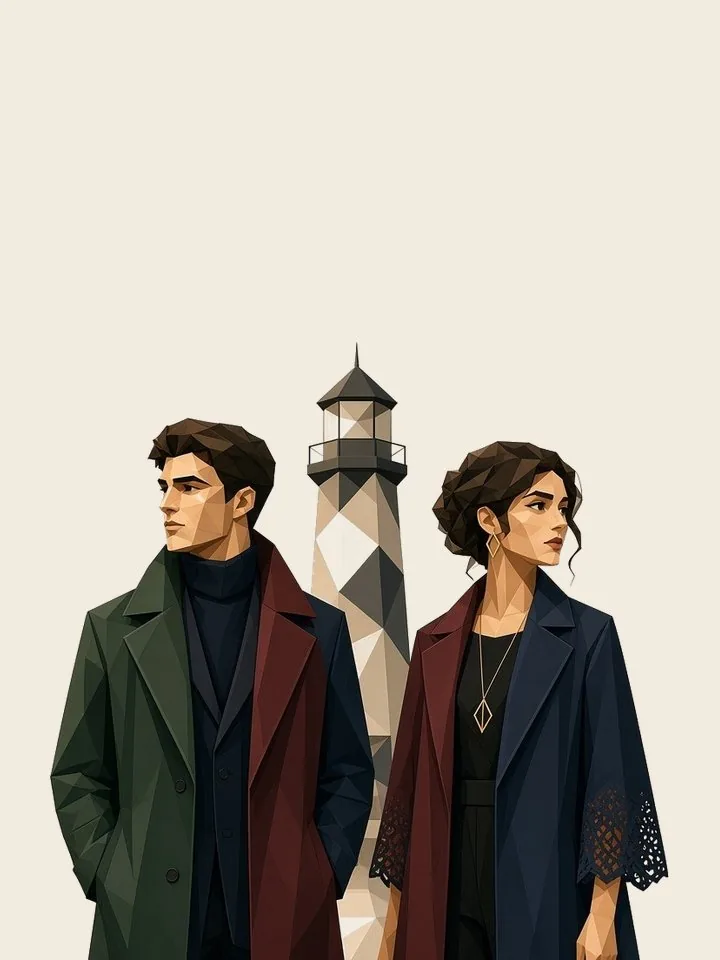
Shown: the Lighthouse house art.