Famous Workbenches
Williamina Flemingthe WorkbenchISTP
Dundee and Harvard, 1857–1911 · astronomer, star classifier, curator
The story
As women's salaries stand
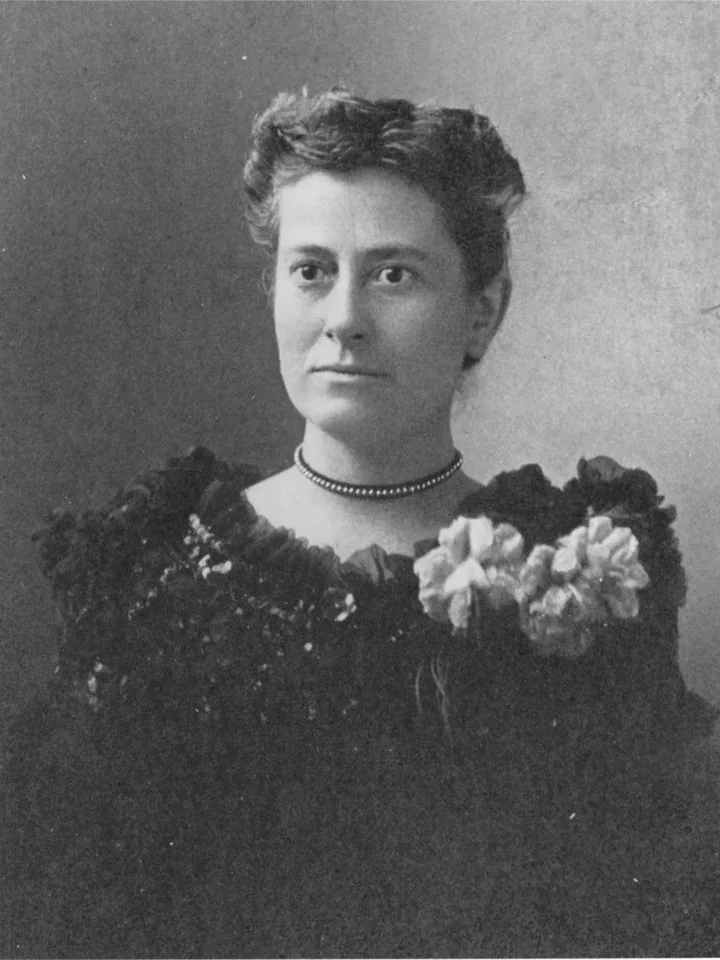
On 12 March 1900, in a journal nobody else was meant to read, Williamina Fleming wrote down what had happened when she raised the question of women's pay with the director of the Harvard College Observatory. She was 42.
“I am immediately told that I receive an excellent salary as women's salaries stand.”
Excellent, for a woman. She was paid $1,500 a year. Some of the other assistants were paid $2,500. As far as anyone knows, she did not argue with him. She wrote the rest of it down.
“Does he ever think that I have a home to keep and a family to take care of as well as the men?”
She had been born in Dundee, Scotland, on 15 May 1857, and had come to Boston in 1878 with her husband. He left her, with a son to raise. She found work as a maid in the home of Edward Pickering, the observatory's director. In 1879 he gave her work at the observatory, and in 1881 she joined it for good.
The observatory ran on photographs. Glass plates of the night sky held thousands of stars apiece, and somebody had to examine them and sort the stars by their light. Much of that was done by women known as computers. Fleming turned out to be extraordinary at it. She classified thousands of stars and, in time, ran the whole team.
In 1888, going over a plate numbered B2312, she logged a small dark notch in the glow near Orion's belt. Today it is called the Horsehead Nebula. When a catalog of such objects came out in 1895, it credited the find to “Pickering.”
Workbenches are often pictured as restless, gone as soon as the learning slows. Fleming stayed for three decades, at the plates and with the people she trained.
She was not always quiet. At the World's Fair in Chicago in 1893 she argued in public for women's work in astronomy. But the public voice and the private one were different. She made the case for women in general. The truth about her own pay and her own family went into the journal.
It is often easier to fight for others than for yourself. Speaking up for the team feels like justice. Speaking up for your own salary feels like asking for a favor. In the same journal she wished she could spend her days on original work, instead of preparing other people's for publication.
Pickering was no villain. He took a maid out of his household and made her an astronomer. He depended on her. He also paid her less than the men and saw no contradiction.
She died in Boston on 21 May 1911, at 54.
Her journal is exact, angry and right. It was simply written for the wrong reader. The one man who could have changed her pay heard only the polite version.
The Workbench pattern in her life
- Learns the work hands-on
- Brought from Pickering's household into his observatory, she became an expert at classifying stars on glass plates.
- Sees exactly what is there
- Going over plate B2312 in 1888, she logged the dark notch now called the Horsehead Nebula.
- Speaks up for others first
- She argued for women's work in astronomy in public in 1893, but kept the truth about her own pay for her journal.
The Workbench: You solve it by handling it. Quiet, practical, allergic to a plan that outruns the facts.
Are you a Workbench too?
Free, no email needed. Find out which house is yours.
Take the free test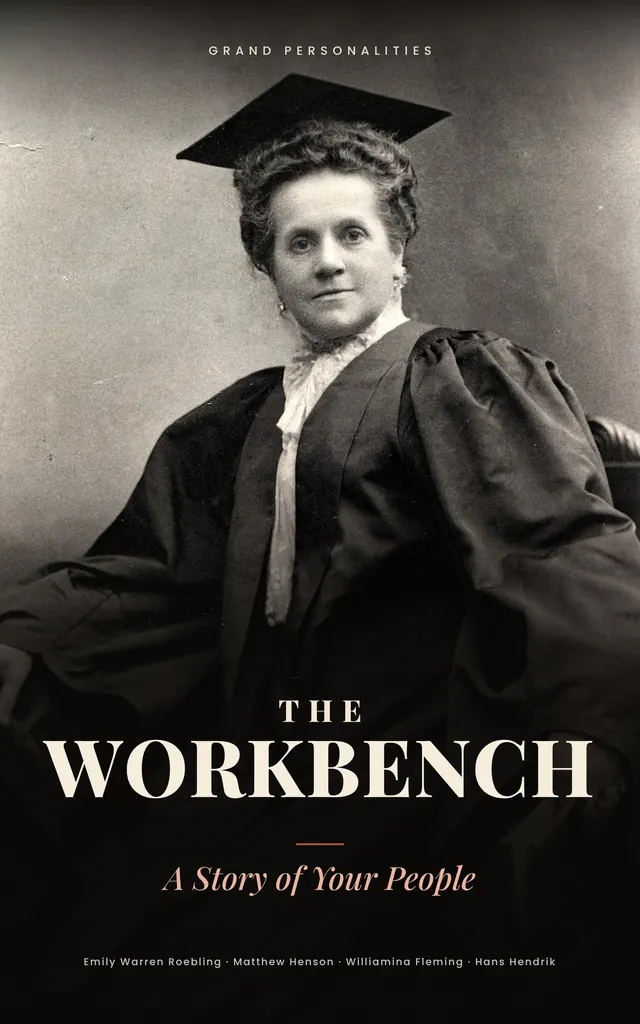
The book
The Workbench: A Story of Your People
Her story and fourteen more, from the court of fifteenth-century Korea to a canyon laboratory in New Mexico in 1946, grouped by the situations every Workbench runs into: friendship, work, money, love, power, identity and the body.
More famous Workbenches

Questions people ask
What personality type was Williamina Fleming?
Her life fits the Workbench, one of the houses at Grand Personalities: someone who solves problems by handling them, quiet and practical, and allergic to a plan that outruns the facts. Closest four-letter code: ISTP.
Did Williamina Fleming discover the Horsehead Nebula?
Yes. In 1888 she found it as a dark notch on a glass plate numbered B2312, but the 1895 catalog credited the find to Pickering, and her name was added only in a later edition.
How did Williamina Fleming go from maid to astronomer?
She was a maid in the home of Edward Pickering, director of the Harvard College Observatory, when he gave her work there in 1879. She joined the observatory in 1881 and went on to run its team of women computers.
Portrait: Unknown author, circa 1890 · Public domain · Source
