
The story
The cave by the Tekezé
Around 1630, a teacher of about 30 named Zera Yacob was denounced before the king of Ethiopia. He did not stay to argue. He took some gold and a book of Psalms and left.
He found a cave at the foot of the Tekezé river, in the north, and lived there alone for two years.
Everything known about him comes from his own account, the Hatata, or “inquiry”, written in Geʿez, the classical language of Ethiopia. His name is also spelled Zara Yaqob. Some have doubted the Hatata is truly his, so what follows is his life as it tells it.
He was born in 1599 or 1600 near Aksum, the old holy city, the son of farmers. He grew up while the throne turned against the church he was raised in. King Susenyos had become a Catholic and wanted his people to follow. Holding the wrong opinion had become dangerous.
Notice what he took into the cave: the Psalms, the prayers he had known since childhood. He did not go there to throw his faith away. He went to find out which parts of it he could stand behind once nobody was standing over him.
Every side told him it spoke for God. The Catholics said one thing, the Orthodox another, and each was sure the other was lost. He asked a Labyrinth's question: how could either of them know? He decided to accept nothing on authority alone, only what his own reason could support.
“I have learnt more while living alone in a cave than when I was living with scholars.”
The cave is the purest form of something Labyrinths do all the time. When the pressure to agree gets so loud you cannot hear yourself think, you go where nobody can demand your assent, and you think it through. From outside it can look like hiding. From inside it is the only way to decide.
The danger is never coming out. He did. After Susenyos died in 1632, he left the cave and settled at Emfraz, in the household of a merchant called Habtu. He married Hirut, a young woman who served there, and he taught his patron's sons.
One of them, Walda Heywat, asked him to write down what he had worked out. In about 1668, more than thirty years after the cave, he did. The conclusions had come early, in solitude. The account of them waited until they had been lived with, through a marriage, a household and a pupil.
Walda Heywat went on to write an inquiry of his own, and he noted the year his teacher died, in his nineties.
He went into the cave to get away from everyone else's answers. He came out with his own, and spent the next sixty years living them among people.
The Labyrinth pattern in his life
- Won't believe on authority alone
- Faced with rival churches that each claimed God's backing, he accepted only what his own reason could support.
- Withdraws to think it through
- He spent two years alone in a cave by the Tekezé, working the question out without anyone standing over him.
- Comes back to live it
- He left the cave, married, joined a household and taught the pupil who asked him to write it all down.
The Labyrinth: You take the idea apart because loving it isn’t the same as it being true.
Are you a Labyrinth too?
Free, no email needed. Find out which house is yours.
Take the free test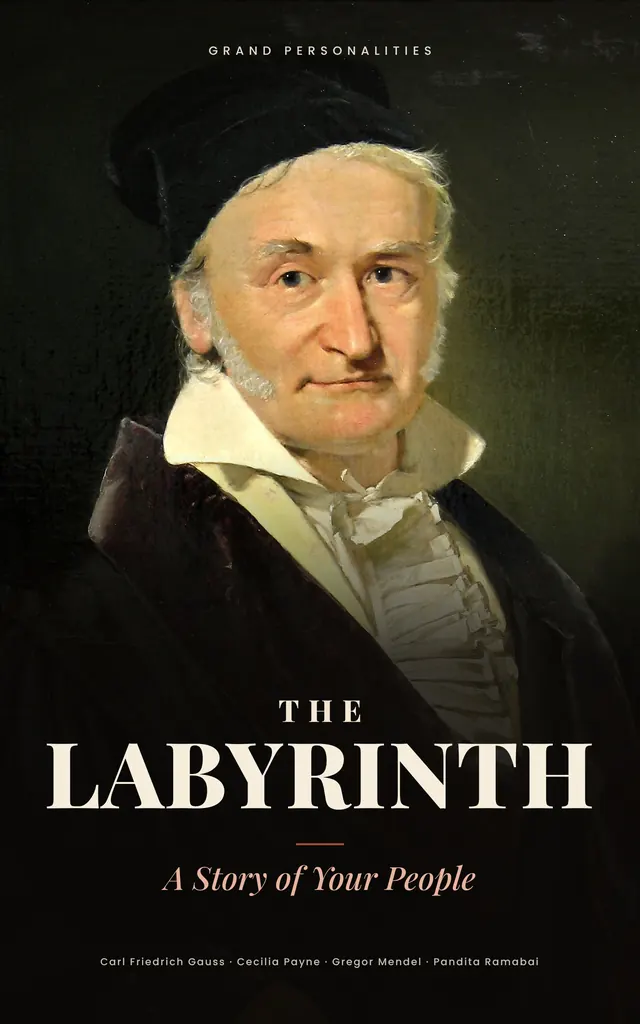
The book
The Labyrinth: A Story of Your People
His story and fourteen more, from a cave by an Ethiopian river to a monastery in Moravia and a radio laboratory in Sydney, grouped by the situations every Labyrinth runs into: work, love, friendship, money, the body, purpose and power.
More famous Labyrinths

Questions people ask
What personality type was Zera Yacob?
His life fits the Labyrinth, one of the houses at Grand Personalities: someone who takes the idea apart, because loving it isn't the same as it being true. Closest four-letter code: INTP.
Was Zera Yacob a real person?
Everything known about him comes from the Hatata, the treatise written in his name. Since 1920 some have argued it was forged by the Italian missionary Giusto da Urbino, who sent it to Europe, while others defend it as a genuine Ethiopian work of the 1660s; the question is still open.
What did Zera Yacob believe?
He held that nothing should be accepted on authority alone, only what reason can support, and that all people are equal before God. The Hatata tells how he reached these views alone in a cave by the Tekezé river.
No free-to-use portrait of Zera Yacob is available. Shown: the Labyrinth house art.