Which one are you?
ESFP vs ESTP: the Bonfire or the Forge
By Grand Personalities · Updated
The difference: F vs T
ESFP vs ESTP: the one difference that matters
ESFPs and ESTPs share three letters and a reputation: the person who makes the evening happen and whose friends’ best stories tend to include them. The third letter is about what they do with what they notice. Picture both at a party where a newcomer walks in knowing nobody. The ESFP (the Bonfire on this site) is over in seconds, glad they came and showing it, and within minutes the newcomer feels at home. The ESTP (the Forge) gives them a nickname and a friendly jab; if the newcomer laughs and fires one back, they’re in.
The ESFP decides by how a choice will feel, for them and for the people around them. The ESTP decides by what works, testing quickly and adjusting as they go. Both read faces and pauses better than almost anyone, both are generous and both bounce back fast. The ESFP uses that reading to keep the warmth up: the compliment someone needed more than advice, the nervous guest drawn in. The ESTP uses it to act: the shift in someone’s shoulders when the price comes up, the call made while others are still drafting an email.
Friends notice it in how each handles a hard conversation. When someone starts telling the ESFP something heavy, the ESFP feels the room drop and reaches for warmth, a hand on the arm, a plan to cheer them up. When someone wants to talk a feeling through with an ESTP, the ESTP wants it fixed and back to normal, and may call the talking stalling. Both can miss the conversation that needed to happen, from opposite directions.
Side by side
ESFP and ESTP, compared
| ESFPBonfire | ESTPForge | |
|---|---|---|
| Reads a room to | Make sure nobody is left out. | Find the move, the deal or the bluff. |
| A newcomer | Gets welcomed and made at home. | Gets a nickname and a jab, as a test. |
| Criticism | A small remark can feel like a verdict. | Takes it straight, as long as it’s plain. |
| A hard talk | Lightens it with a joke or a hug. | Wants it fixed and over; calls the talking stalling. |
| When angry | Goes quiet, which people mistake for calm. | Shows it easily, and is over it an hour later. |
| Under strain | A cold inner voice says they were never serious. | A slow month turns their sharp instincts against them. |
| Misread as | Attention-seeking, shallow. | Impulsive, careless. |
| Showing love | Visibly: a face that lights up, small wins turned into celebrations. | In motion: the surprise weekend, the table booked, the problem gone. |
Quick test
ESFP or ESTP? A six-question test
Pick the answer that sounds more like you. Each one shows which way it points.
- 01
- 02
- 03
- 04
- 05
- 06
0 of 6 answered
See which answer points to which type
- 01 If it’s who looks nervous or left out, and you’re already moving toward them, you’re probably the ESFP. If it’s who’s in charge, who’s bluffing and where the opportunity is, the ESTP.
- 02 If you feel the room get heavier and want to lift it, with comfort, a joke or a plan to cheer them up, you’re probably the ESFP. If you want to get to the fix quickly and find long talks about feelings slow, the ESTP.
- 03 If a small remark can stay with you for days and you sometimes react bigger than you meant, you’re probably the ESFP. If you’d rather hear bad news plainly than good news padded, and you take a hard truth without sulking, the ESTP.
- 04 If you go unusually quiet, and people take it for tiredness, you’re probably the ESFP. If it shows right away and then it’s over, the ESTP.
- 05 If you’ll agree to almost anything near the end, just to bring the warmth back, and your real answer arrives later that night, you’re probably the ESFP. If you say your piece, move on fast and are friendly again within the hour, the ESTP.
- 06 If it’s the people: the customers, the team, the faces, you’re probably the ESFP. If it’s the result: the target hit, the deal closed, the rescue that worked, the ESTP.
Mistyping
Why ESFPs and ESTPs get mixed up
These two get mixed up because so much of their life looks the same: social, quick, fun, physically present, happiest with something happening and bored by long plans. Both are great in a crisis, both read people well and both get underestimated by people who mistake enjoying life for not thinking about it. Questions about whether you like parties, adventure or living in the moment can’t separate them. Both say yes.
The useful question is what you’re reading people for. The ESFP reads people to connect with them and keep everyone included; their decisions run on how things will feel. The ESTP reads people to act: to persuade, negotiate or make the call; their decisions run on what works. A second clue is hurt. ESFPs feel a careless remark for days and react big to small criticism; ESTPs take blunt feedback in stride but find it very hard to show any need at all. Types are patterns, not destiny; if both fit, ask a friend which one you are in a fight.
Love
The ESFP and the ESTP in love
The ESFP loves visibly. Their face lights up when their partner walks in, they notice when someone has made an effort, and they turn small wins into celebrations. Most trouble is about attention: the ESFP is warm with everyone, which can unsettle a partner on an unsure day, and one distracted evening from the partner can feel to the ESFP like love being taken away. After a row they reconnect through closeness, and the uncomfortable end of what was said can get dropped.
The ESTP loves in motion: the surprise weekend away, the table booked at the place their partner mentioned once, a present that’s spot on because they were listening. They notice when their partner is tired and change the evening without fuss. Fights tend to start with a long talk about the relationship, which feels to the ESTP like reviewing a match while it’s still being played, or with a blunt one-liner where gentleness was needed.
Work
The ESFP and the ESTP at work
The ESFP does best around people and movement: hospitality, events, teaching, sales, care, performance. They win over difficult rooms and make customers loyal, and the people are part of their pay. Their risk is authority. They get affection at full volume and little weight given to their judgment, and admin with no faces in it can sit for weeks.
The ESTP does best where there’s a target, a deadline and a visible result: sales, trading, building, start-ups, emergency work. They read the other side of a negotiation, ask for what others are too polite to ask for and get stalled projects moving. Their risk is the tail of a decision: the follow-up email, the paperwork and the promise made at speed, which turns up weeks later on someone else’s desk.
Together
When an ESFP meets an ESTP
Neither is the other’s best match on this site: the Bonfire’s is the Lighthouse (INFJ), and the Forge’s is the Hearth (ISFJ). Together they make a lively, generous pair and rarely run out of things to do. The strain is tone. The ESTP’s jabs and blunt one-liners, meant as affection, can land on the ESFP as criticism of who they are, and the ESFP’s need to talk through a hurt can strike the ESTP as stalling.
FAQ
Questions people ask
What is the difference between ESFP and ESTP?
The difference between ESFP and ESTP is what they read people for. Both live in the moment and notice people quickly. ESFPs use that to connect and make everyone feel included, and decide by how things will feel. ESTPs use it to act, persuade and make the call, and decide by what works.
How do I know if I’m ESFP or ESTP?
Notice what you do when someone brings you something hard. ESFPs want to comfort and lift the mood; ESTPs want to fix it and move on. Notice too how criticism lands: ESFPs feel it for days, ESTPs take it straight. The free test on this site can help settle it if both still sound like you.
Is ESFP or ESTP rarer?
ESTP is rarer: about 4.3% of people in a large US national sample, against about 8.5% for ESFP. Rarity says nothing about which type is better; it only says how many people share the pattern. Every type is ranked on this site’s rarest personality type page.
Are ESTPs more competitive than ESFPs?
Often, yes. ESTPs enjoy targets, scores and winning, and they test people with jabs to see if they’ll hold up. ESFPs are more interested in everyone having a good time together, though they can be fiercely loyal and determined for the people they love.
Who is more emotional, ESFP or ESTP?
Both feel strongly. ESFPs show warmth and joy openly and feel criticism deeply, but often go quiet when angry. ESTPs show joy and anger easily but almost never show need or insecurity, so people assume they have it easy.
What are the cognitive functions of ESFP vs ESTP?
ESFP runs Se-Fi-Te-Ni and ESTP runs Se-Ti-Fe-Ni. Both lead with Se, taking in the present moment in full detail. The ESFP’s second function is Fi, a private sense of values and how things feel; the ESTP’s second is Ti, an inner logic that tests what works. That is why both read the room fast, but one reaches for warmth and the other for the move.
Every type ranked, rarest to most common →
Still torn between ESFP and ESTP?
The free test settles it in about ten minutes.
Take the free testThe Bibles
Read both openings. Yours is the one that reads like your week.
Each type has its own Bible: the patterns that type keeps repeating, and the plays that answer them. The opening chapter of every Bible is free to read.
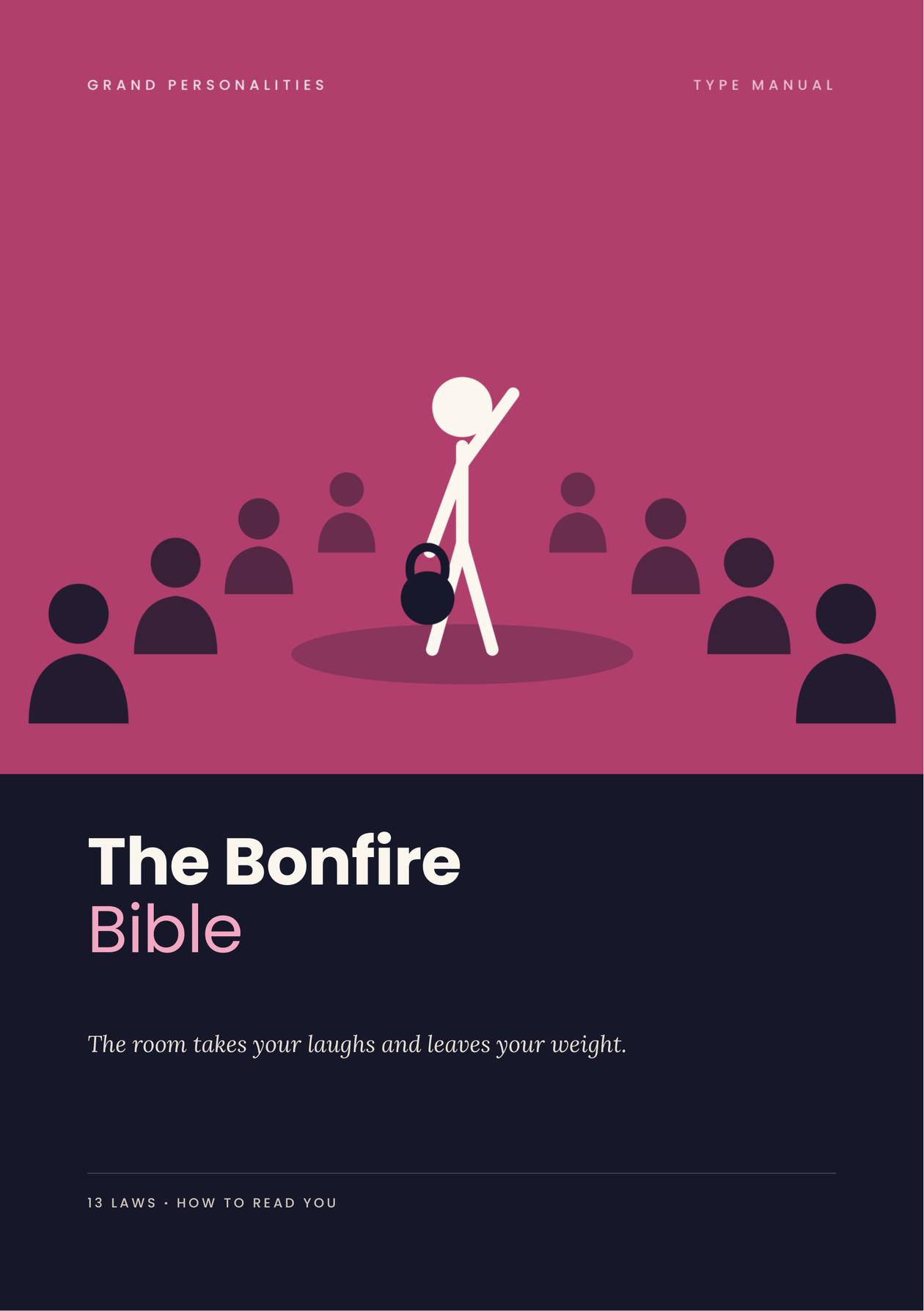
If you’re the ESFP
The Bonfire Bible
The room takes your laughs and leaves your weight.
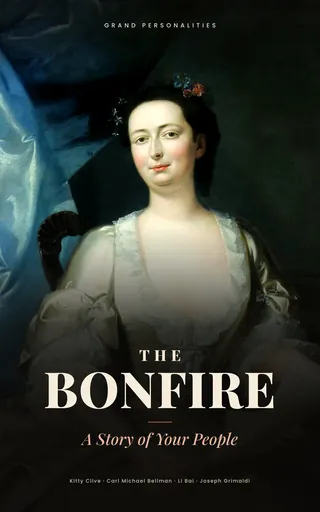
Free with the BibleThe Bonfire: A Story of Your People. 15 true lives of people who think like you, 124-page illustrated PDF.
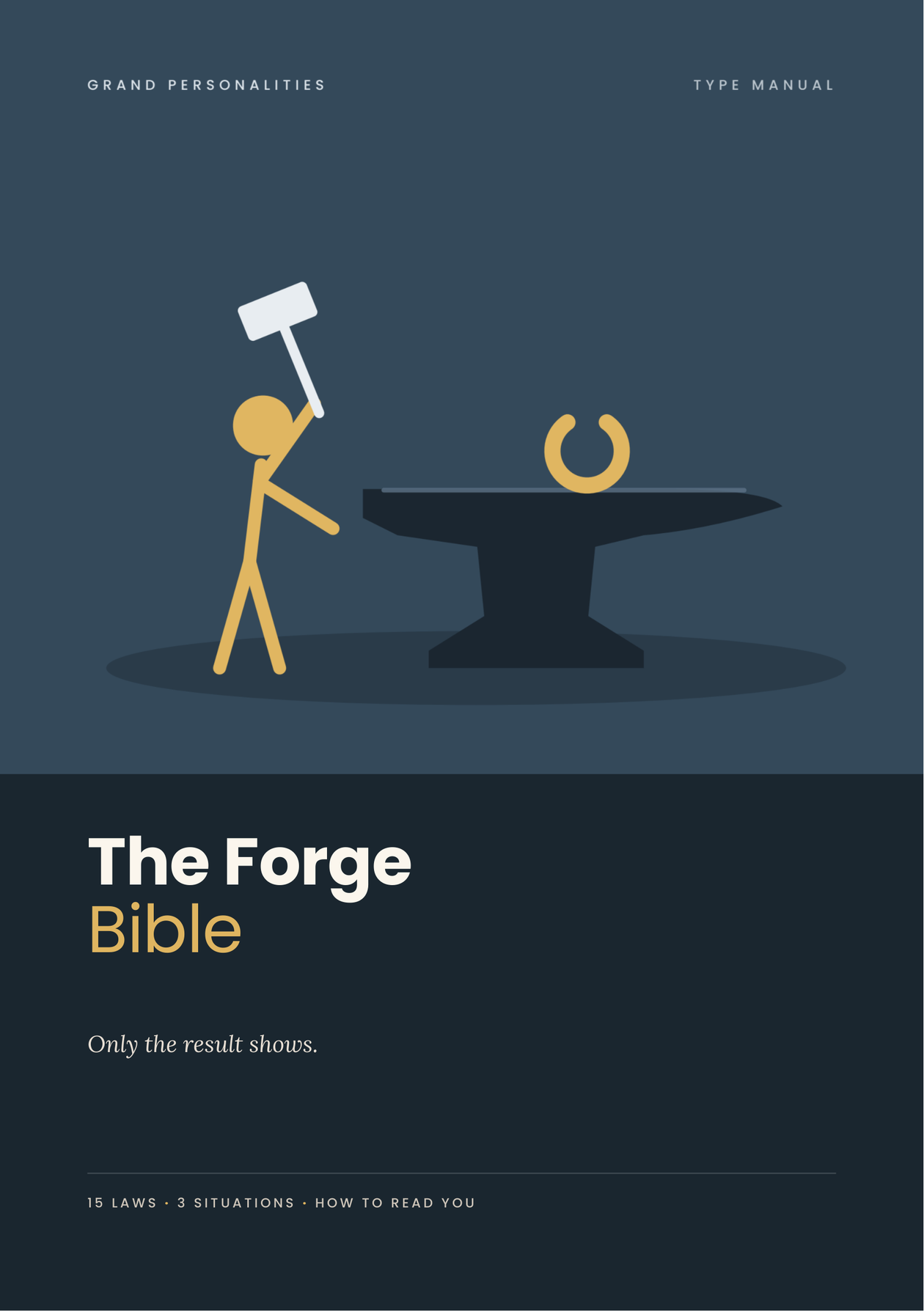
If you’re the ESTP
The Forge Bible
Only the result shows.
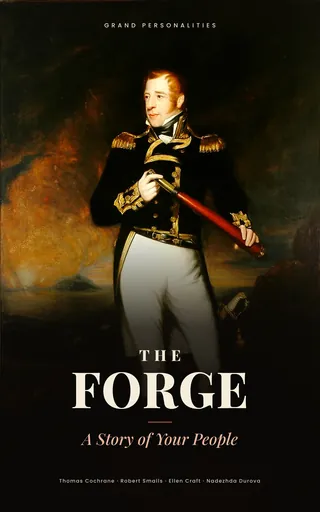
Free with the BibleThe Forge: A Story of Your People. 15 true lives of people who think like you, 125-page illustrated PDF.
- The BonfireESFPYou raise the temperature of a room on purpose. Present tense, full volume, real warmth.Read the free ESFP profile
- The ForgeESTPYou move first, fix it live, and get bored of any meeting about the meeting.Read the free ESTP profile
Famous ESFPs in historyESFPFamous ESTPs in historyESTP
Also compared
Compatibility