Famous Riverstones
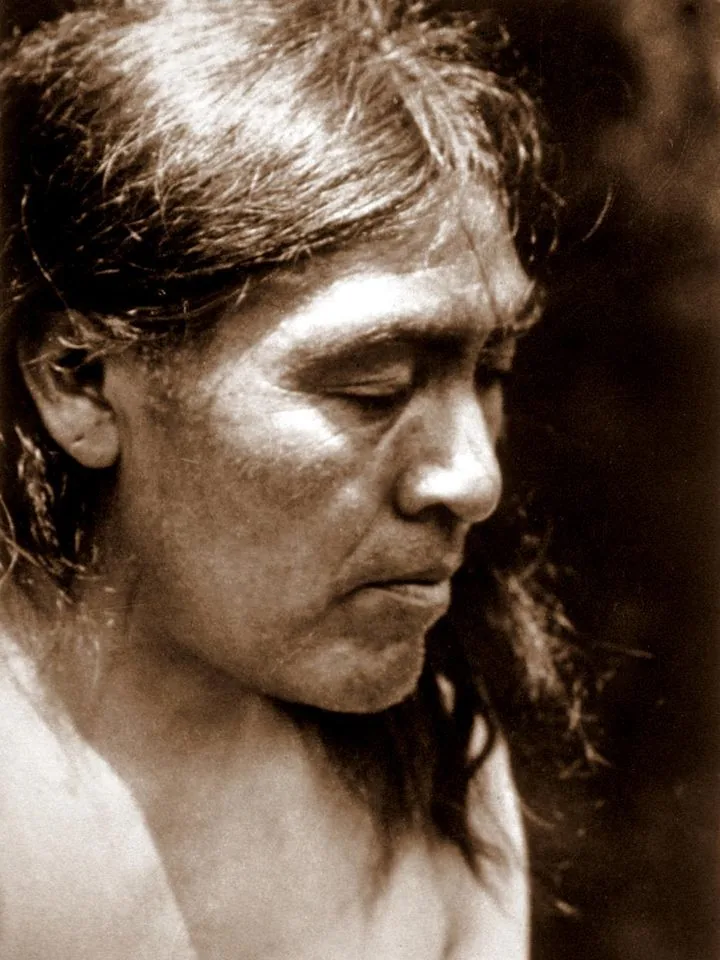
Ishithe RiverstoneISFP
Northern California, c. 1860–1916 · Yahi toolmaker, archer, teacher
The story
No word for goodbye
On 29 August 1911, dogs cornered a man at a slaughterhouse outside Oroville, California. He was about 50. The sheriff locked him in the town jail, and nobody in town could speak a word of his language.
He was Yahi, from the hills of northern California. In his lifetime settlers had hunted and killed his people. For years he had hidden in the hills with the last few survivors. By 1911 he was alone. Later books would call him “the last wild Indian.” He was a man on his own in a town of strangers.
Within a week he was taken to the university's museum of anthropology in San Francisco, and he lived there for the rest of his life. The anthropologists called him Ishi, the Yahi word for “man”. By his people's custom he would not speak his own name until another Yahi introduced him. None was left to do it. He took to city clothes and city ways, and he kept the custom.
He spent years showing the scholars his language and his tools. Much of that teaching was done with his hands: flaking an arrowhead, shaping a bow. Riverstones often teach this way, by doing the thing in front of you.
Next door, at the medical school, worked a surgeon named Saxton Pope. Pope wanted to learn archery, so Ishi taught him to make a bow. A doctor trained in the newest medicine of his day sat learning an old craft from the man Oroville had first put in a cell.
Their friendship grew the way Riverstone friendships often do: side by side, over the work, with few words needed. Ishi gave his friend a name, Ku wi, Medicine Man. Pope admitted it was more for his little sleight-of-hand tricks than for his surgery. The man who never spoke his own name named his friend for what his hands could do.
“I learned to love Ishi as a brother, and he looked upon me as one of his people.”
Pope also saw that the watching ran both ways. The museum studied Ishi, and Ishi studied them back. “He looked upon us as sophisticated children—smart, but not wise,” Pope wrote.
In late 1914 Ishi was found to have tuberculosis. Pope was his doctor as well as his friend through the long illness. Ishi died in San Francisco on 25 March 1916, at about 55.
The day before, the anthropologist Alfred Kroeber, who had taken charge of him in 1911, wrote from New York to forbid an autopsy. If anyone spoke of the interests of science, he told a colleague, “say for me that science can go to hell.” It did not stop the autopsy. Ishi's brain was removed, and in 1917 it was sent to the Smithsonian in Washington. On 10 August 2000, members of the Pit River Tribe came to carry it home.
He left $369.52. He also left a language written down, and a craft placed in a friend's hands. Pope's book on the bow helped start modern bowhunting in America.
All had been taken from Ishi, and still, Pope wrote, “there was no bitterness in his heart.”
“With him there was no word for good-by,” Pope remembered. Ishi said only: “You stay, I go.”
The Riverstone pattern in his life
- Teaches with the hands
- He showed the museum his language and tools, and taught a surgeon to make a bow from scratch.
- Builds friendship over shared work
- His closest friendship grew over bow-making with Saxton Pope, who came to count him as a brother.
- Adapts without giving way
- He took to city clothes and city life, and still never spoke his own name, as his custom required.
The Riverstone: Unhurried, present, hard to rattle. You move when it matters and not one minute earlier.
Are you a Riverstone too?
Free, no email needed. Find out which house is yours.
Take the free test
The book
The Riverstone: A Story of Your People
His story and eleven more, from Ming China and Habsburg Madrid to the Arctic ice and the South Pacific, grouped by the situations every Riverstone runs into: the body, work, family, friendship, money, power and the long question of who you are.
More famous Riverstones
Questions people ask
What personality type was Ishi?
His life fits the Riverstone, one of the houses at Grand Personalities: someone unhurried, present and hard to rattle, who moves when it matters and not one minute earlier. Closest four-letter code: ISFP.
What was Ishi's real name?
No one knows. By Yahi custom he would not speak his own name unless another Yahi introduced him, and none was left, so the anthropologists called him Ishi, the Yahi word for “man”.
What happened to Ishi's brain?
After he died of tuberculosis in 1916, an autopsy was carried out despite Alfred Kroeber's written objection, and in 1917 his brain was sent to the Smithsonian. It was returned on 10 August 2000 to the Redding Rancheria and the Pit River Tribe.
Portrait: Unknown author, before 1916 · Public domain · Source
